 English
 Arabic
 French
 Spanish
 Portuguese
 Deutsch
 Turkish
 Dutch
Dutch
 Italiano
 Russian
 Romaian
 Portuguese (Brazil)
 Greek
Greek
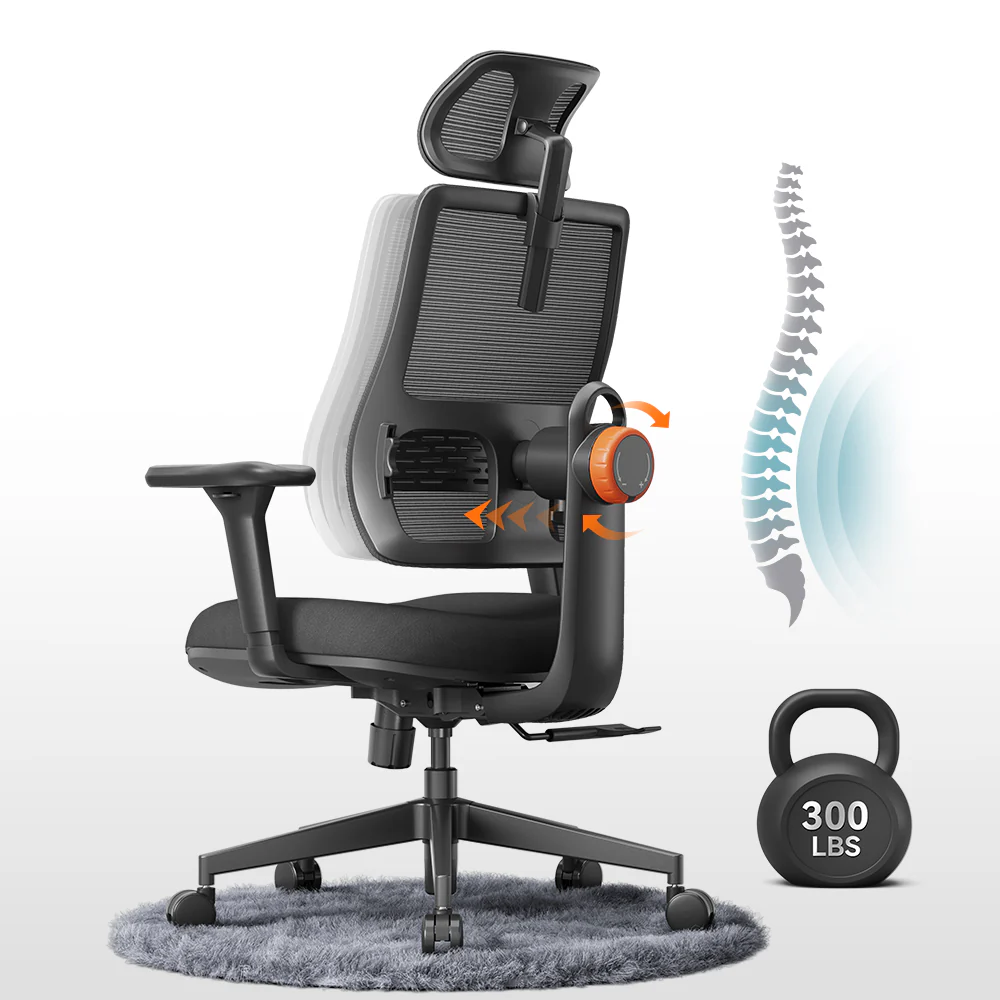
In today’s fast-paced work environment, the majority of professionals spend long hours seated at desks, often unaware of the strain imposed on their bodies. An ergonomic office chair is designed to address these challenges by providing proper support, promoting correct posture, and ensuring maximum comfort throughout the day. Unlike conventional office chairs, ergonomic designs conform to the natural curves of the spine, offering adjustable features that reduce pressure on critical areas like the lower back, shoulders, and neck.
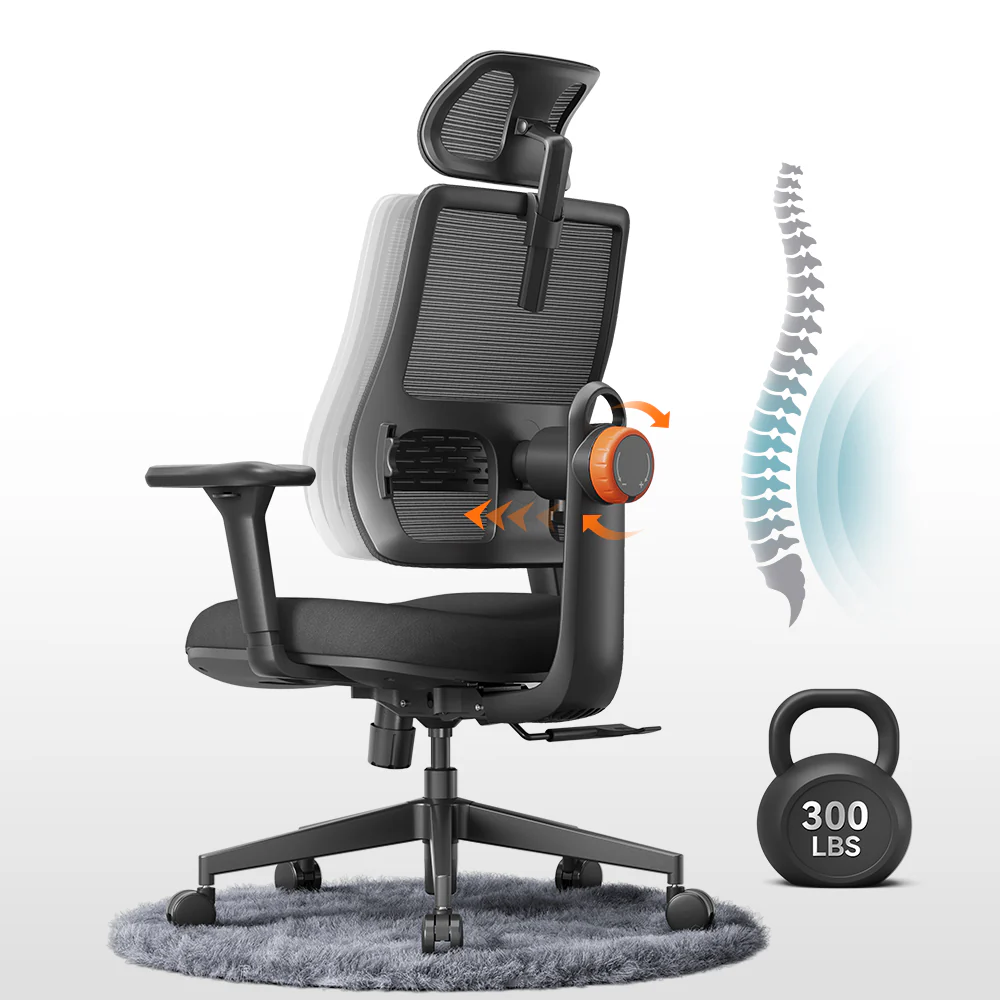
Investing in a high-quality ergonomic office chair is not only about comfort—it’s a proactive approach to preventing chronic musculoskeletal issues. Long-term use of traditional seating can lead to back pain, poor posture, and decreased work efficiency. Ergonomic chairs are built with adjustable seat height, lumbar support, tilt mechanisms, and armrests, allowing individuals to customize their seating position according to body dimensions and specific work tasks. Materials such as breathable mesh, high-density foam, and reinforced frames provide durability while enhancing comfort, making the chair suitable for extended periods of use.
Modern office setups also value aesthetics alongside functionality, and ergonomic chairs are increasingly designed to complement professional environments. The integration of sleek lines, premium finishes, and advanced materials ensures that the chair enhances both the visual and functional appeal of workspaces. By combining form and function, these chairs provide an optimal seating solution for professionals seeking productivity and well-being in equal measure.
Can Ergonomic Office Chairs Improve Posture and Reduce Physical Strain?
One of the most significant benefits of an ergonomic office chair is its ability to maintain proper posture and minimize physical strain. Poor seating habits can lead to slouching, spinal compression, and tension in the neck and shoulders. Ergonomic designs counteract these effects by supporting the natural curvature of the spine, promoting a neutral sitting position, and reducing stress on key pressure points. Adjustable lumbar support ensures that the lower back receives consistent reinforcement, which is crucial for preventing long-term spinal issues and chronic discomfort.
Seat height adjustment allows users to keep their feet flat on the floor, while aligning knees and hips at comfortable angles. This improves blood circulation and alleviates stress on the lower back. Adjustable armrests provide support for the shoulders and forearms, reducing strain during typing or prolonged desk activities. Additionally, materials such as memory foam and mesh help regulate temperature, prevent discomfort from prolonged sitting, and enhance overall seating experience.
Consistent use of an ergonomic office chair can prevent musculoskeletal disorders, fatigue, and long-term postural issues. These chairs are particularly beneficial for individuals with pre-existing back or neck conditions, as the customizable features provide targeted support where it is needed most. A well-fitted ergonomic chair promotes a healthy working posture that encourages focus, reduces discomfort, and enhances overall well-being.
Can an Ergonomic Office Chair Boost Efficiency and Workplace Satisfaction?
Comfort and productivity are closely intertwined, making an ergonomic office chair a vital component of any effective workspace. Professionals who experience reduced physical strain are better able to maintain concentration, sustain energy, and complete tasks efficiently. Features such as reclining mechanisms, swivel bases, and cushioned seating allow for seamless movement and support, enabling users to work comfortably for longer periods.
In addition to physical benefits, ergonomic office chairs also contribute to workplace satisfaction and morale. Providing employees with high-quality seating demonstrates a commitment to health and comfort, which can enhance motivation, engagement, and loyalty. Ergonomic chairs are equally valuable for home office setups, where individuals require furniture that supports both productivity and physical well-being.
Investing in an ergonomic office chair is not merely an expense; it is a strategic decision that safeguards health while improving work output. By integrating adjustable features, durable materials, and innovative design, these chairs provide a personalized seating experience that reduces fatigue, enhances comfort, and supports long-term professional performance.
Conclusion
An ergonomic office chair is more than a piece of office furniture—it is an essential tool for maintaining health, comfort, and productivity. By promoting correct posture, alleviating strain, and offering customizable support, ergonomic chairs transform the daily work experience. High-quality materials, adjustable components, and thoughtful design ensure that every user enjoys a seating solution tailored to their needs.
For both corporate environments and home offices, investing in an ergonomic office chair is a step toward enhanced comfort, improved focus, and better overall satisfaction. Prioritizing a well-designed chair is a proactive measure that supports physical health, boosts efficiency, and fosters a productive, professional work environment.

