 English
 Arabic
 French
 Spanish
 Portuguese
 Deutsch
 Turkish
 Dutch
Dutch
 Italiano
 Russian
 Romaian
 Portuguese (Brazil)
 Greek
Greek
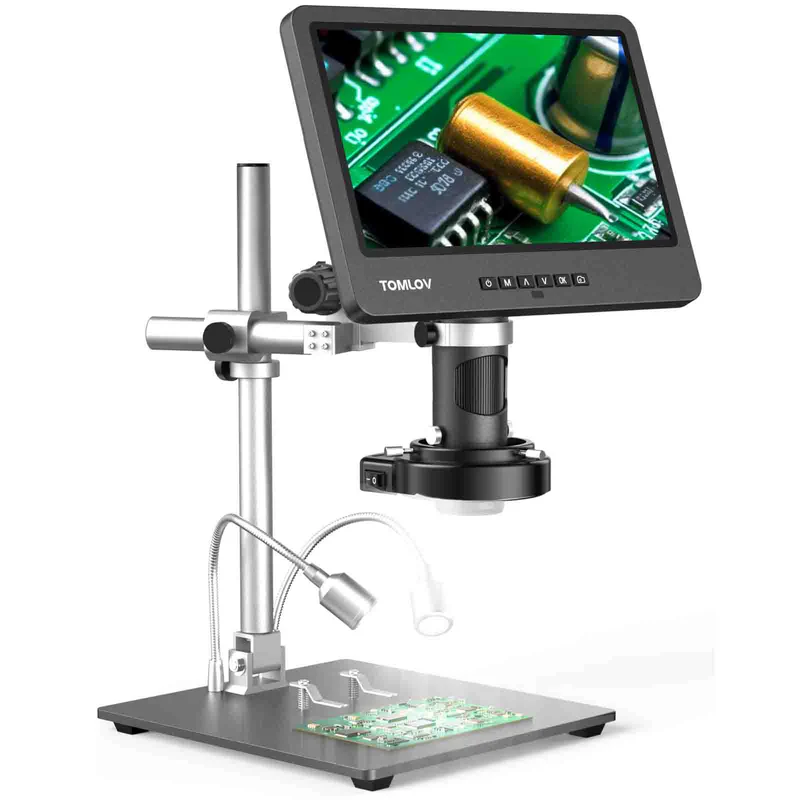
In scientific research, industrial inspection, and medical laboratories, the arm microscope has become an essential instrument for professionals who demand precision combined with adaptability. Unlike traditional fixed microscopes, an Arm Microscope features an articulated arm that allows users to position the device freely over samples, adjust angles, and examine intricate details without moving the specimen itself. This versatility makes it ideal for applications ranging from electronics inspection and jewelry evaluation to delicate biological analysis and surgical procedures.
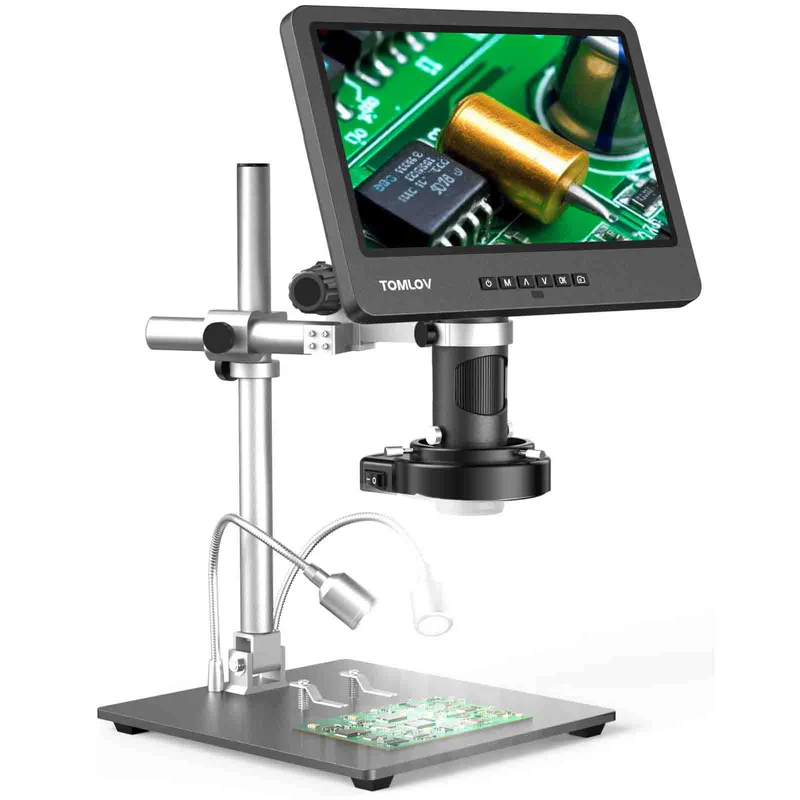
The core advantage of an arm microscope lies in its mobility and ergonomic design. Engineers can study microelectronic components, mechanical assemblies, or complex materials from multiple perspectives, reducing the risk of missing defects or inconsistencies. In medical and dental laboratories, the adjustable arm provides optimal positioning, enabling precise examination while minimizing physical strain on the user. The combination of high-quality optics and smooth maneuverability ensures that detailed observations can be performed with confidence and comfort.
Beyond practical applications, the arm microscope enhances documentation and educational purposes. Digital models and high-resolution images captured through the microscope allow researchers to archive findings, share results with colleagues, and conduct collaborative analysis. Students and enthusiasts can explore the structure of specimens or materials in detail, gaining deeper insights into microscopic features and improving their understanding of the subject. By combining adaptability with precision, the arm microscope bridges the gap between casual observation and professional analysis.
Can Advanced Features Enhance the Arm Microscope Experience?
Modern arm microscopes are equipped with a variety of advanced features that elevate both usability and observation quality. High-definition optics, variable magnification, and LED illumination allow even the smallest surface details and microstructures to be viewed with clarity. Many models also include digital cameras, USB connectivity, and specialized software for capturing images, measuring specimens, and recording observations. These features make the arm microscope not only a tool for observation but also a platform for precise documentation and analysis.
In industrial applications, the arm microscope is particularly effective for quality control and product inspection. Engineers can detect micro-defects, measure dimensional tolerances, and evaluate surface finishes without repositioning sensitive components. The adjustable arm enables observation from multiple angles, ensuring thorough examination while maintaining the integrity of the sample. Additionally, ergonomic design reduces fatigue during long sessions, which is especially important in laboratories and production facilities where repeated inspections are common.
For medical research and educational purposes, arm microscopes provide flexibility and precision that support both learning and professional procedures. The ability to observe specimens from various angles, combined with digital capture and recording, allows instructors and students to analyze microscopic structures in detail. This capability enhances teaching effectiveness and allows for accurate demonstration of complex processes. The integration of advanced features makes the arm microscope a versatile tool that supports accuracy, efficiency, and professional insight across diverse fields.
Can an Arm Microscope Support Accurate Analysis and Preservation?
The arm microscope’s precision and flexibility also contribute to accurate analysis and specimen preservation. By allowing detailed observation without physically manipulating the sample, it minimizes the risk of damage to delicate biological tissues, microelectronics, or high-value materials. This non-invasive approach is crucial in laboratories, research facilities, and industrial settings where maintaining sample integrity is essential.
For collectors, researchers, and quality control specialists, the arm microscope enhances reliability and documentation. High-resolution imaging allows for detailed inspection of rare coins, jewelry, electronic components, and other valuable items. These images can be archived, shared, and referenced for future analysis or verification, supporting long-term collection management and professional assessments. In industrial workflows, repeated inspections using an arm microscope ensure consistency and accuracy, ultimately safeguarding product quality and preventing costly defects.
By combining digital capabilities, adjustable optics, and ergonomic design, the arm microscope streamlines both observation and documentation. Researchers and professionals can conduct precise measurements, monitor specimen conditions, and maintain detailed records efficiently. This dual functionality of examination and documentation makes the arm microscope indispensable for tasks requiring accuracy, reproducibility, and careful preservation.
Conclusion: An Arm Microscope Enhances Precision, Flexibility, and Professional Insight
The arm microscope is a transformative tool that merges mobility, high-quality optics, and advanced features to deliver unparalleled precision in observation. Its adjustable design allows detailed examination from multiple angles, while digital integration facilitates accurate documentation and analysis. From industrial inspection and medical research to scientific education and high-value collection management, the arm microscope enhances accuracy, supports informed decision-making, and ensures careful preservation of specimens. Investing in a high-quality arm microscope equips professionals with a versatile, efficient, and reliable instrument that elevates observation, analysis, and overall workflow productivity.

