 English
 Arabic
 French
 Spanish
 Portuguese
 Deutsch
 Turkish
 Dutch
Dutch
 Italiano
 Russian
 Romaian
 Portuguese (Brazil)
 Greek
Greek
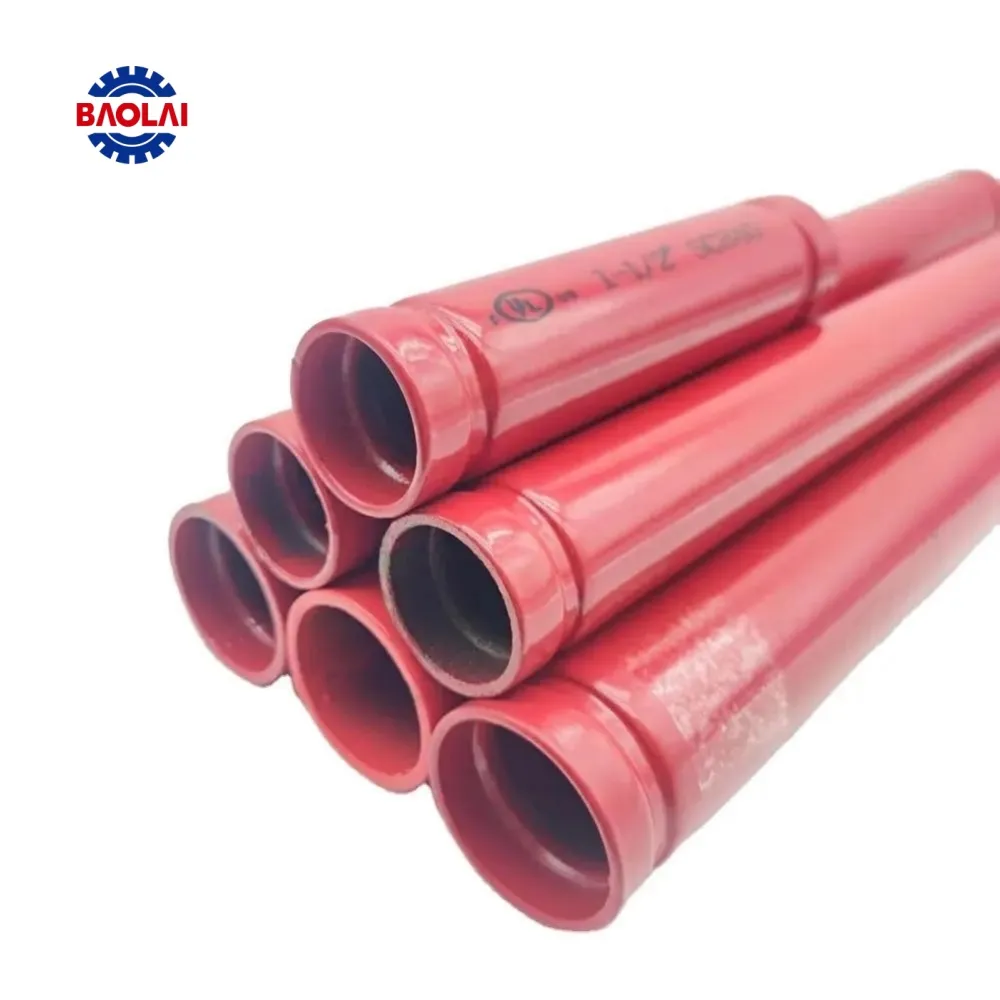
Fire sprinkler system pipe is a fundamental component in modern fire protection systems, ensuring that water or fire-suppressing agents are delivered efficiently during emergencies. In commercial, residential, and industrial buildings, fire safety has become a top priority, and the effectiveness of a sprinkler system depends heavily on the quality and design of its piping network. A well-engineered fire sprinkler system pipe network acts as the backbone of fire suppression, connecting the water supply to sprinkler heads that activate when heat or flames are detected.
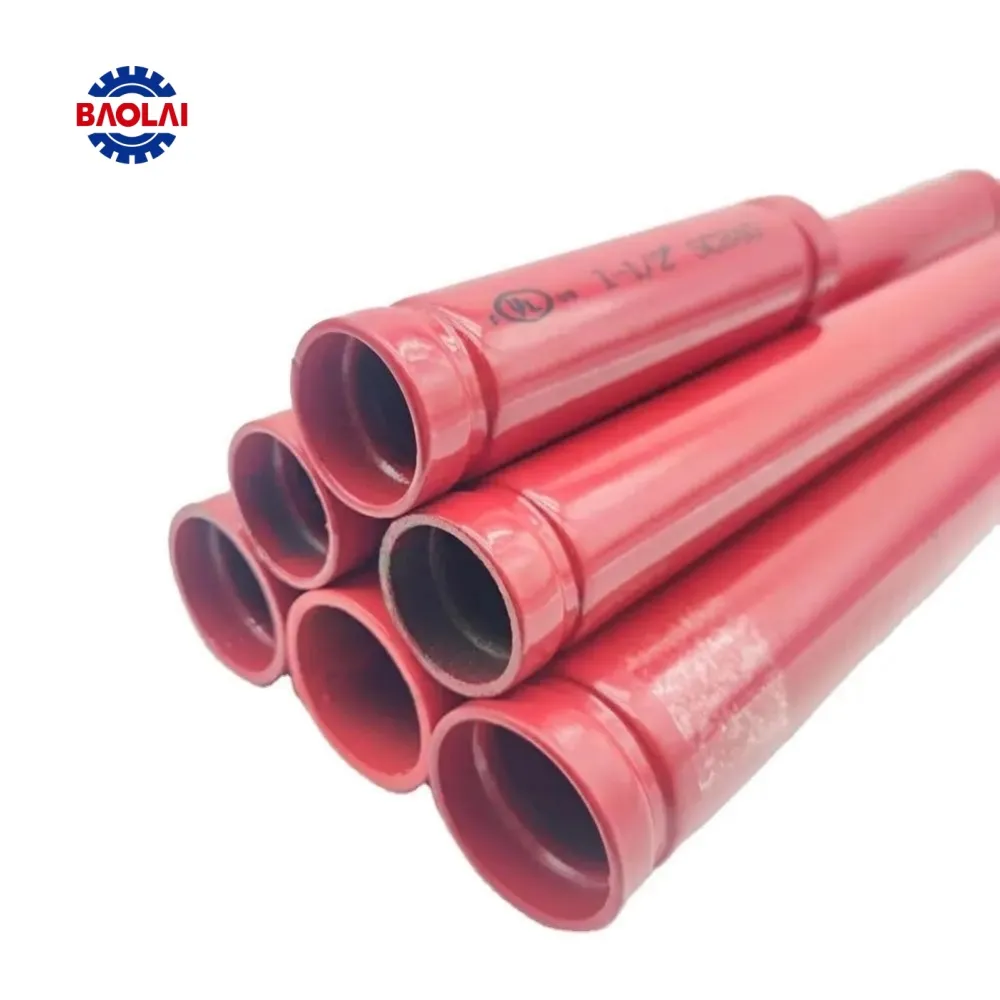
In today’s construction environment, safety regulations and compliance standards are becoming increasingly strict. Builders and engineers must ensure that fire protection systems meet these requirements, and selecting the right fire sprinkler system pipe plays a crucial role in achieving this goal. These pipes are designed to withstand high pressure, temperature fluctuations, and long-term use without compromising performance. Their durability ensures that water is delivered instantly and consistently when a fire breaks out, helping to control and extinguish flames quickly.
The demand for efficient fire protection systems has led to the widespread use of advanced fire sprinkler piping solutions. These systems are not only essential for protecting lives but also for minimizing property damage and business disruption. As a result, fire sprinkler system pipes have become an integral part of modern infrastructure, supporting safety and reliability in various building types.
Fire Sprinkler System Pipe Materials and Quality Standards
The performance of a fire sprinkler system pipe is largely determined by the materials used in its construction. Common materials include black steel, galvanized steel, copper, and CPVC, each offering unique benefits depending on the application. Steel pipes are widely used due to their strength and ability to handle high-pressure systems, making them suitable for large commercial and industrial installations.
Galvanized steel pipes are coated with zinc, which enhances their resistance to corrosion and extends their lifespan. This makes them particularly effective in environments where moisture or humidity is present. Black steel pipes, on the other hand, are known for their high tensile strength and are commonly used in fire sprinkler systems due to their reliability and cost-effectiveness.
CPVC pipes are gaining popularity as an alternative to traditional metal pipes. They are lightweight, easy to install, and resistant to chemical corrosion, making them suitable for certain commercial and residential applications. Despite their advantages, all materials used in fire sprinkler system pipes must meet strict safety and performance standards to ensure reliability during emergencies.
Industry standards set by organizations such as the National Fire Protection Association and Underwriters Laboratories play a vital role in maintaining the quality of fire sprinkler systems. These standards ensure that pipes can withstand high pressure and temperature conditions while maintaining consistent performance. Compliance with these regulations is essential for ensuring the safety and effectiveness of fire protection systems.
Fire Sprinkler System Pipe Installation and Operational Efficiency
The installation of fire sprinkler system pipes requires careful planning and precise execution to ensure optimal performance. Engineers begin by analyzing the building layout, identifying potential fire hazards, and determining the most effective pipe network design. This process ensures that water can reach all critical areas of the building quickly and efficiently.
During installation, pipes are connected using methods such as threading, welding, or grooved couplings, depending on the material and system requirements. These connections must be secure and leak-proof to maintain consistent water pressure and prevent system failure. Proper installation is essential for ensuring that the fire sprinkler system operates effectively when needed.
Operational efficiency is influenced by factors such as pipe diameter, water pressure, and flow rate. Larger pipes are used for main supply lines to ensure adequate water delivery, while smaller pipes distribute water to individual sprinkler heads. Maintaining the right balance between pressure and flow is critical for effective fire suppression.
Modern fire sprinkler systems often incorporate advanced monitoring technologies that enhance efficiency and reliability. These systems can detect pressure changes, identify leaks, and provide real-time data on system performance. This allows for proactive maintenance and ensures that the system remains fully operational at all times.
Regular inspection and maintenance are also crucial for maintaining system efficiency. Over time, pipes may develop issues such as corrosion or blockages, which can affect performance. Routine checks help identify and address these problems early, ensuring that the fire sprinkler system pipe continues to function effectively.
Fire Sprinkler System Pipe Trends and Future Advancements
The fire sprinkler system pipe industry is evolving rapidly, driven by technological advancements and increasing awareness of fire safety. Manufacturers are focusing on developing innovative materials and designs that improve system performance while reducing installation and maintenance costs. These advancements are transforming traditional fire protection systems into more efficient and reliable solutions.
One of the key trends in the industry is the integration of fire sprinkler systems with smart building technologies. This allows for real-time monitoring and automated responses, improving the speed and effectiveness of fire suppression. Smart sensors can detect temperature changes and activate the system instantly, reducing the risk of fire spread and minimizing damage.
Sustainability is another important factor shaping the future of fire sprinkler system pipes. Manufacturers are exploring eco-friendly materials and production processes to reduce environmental impact. This includes the use of recyclable materials and energy-efficient manufacturing techniques, which align with global sustainability goals.
As urbanization continues to expand, the demand for reliable fire protection systems is expected to grow. Fire sprinkler system pipes will remain a critical component of these systems, ensuring the safety of buildings and occupants. Continuous innovation and adherence to strict safety standards will drive the future of the industry, making fire protection systems more efficient and dependable.
Conclusion
Fire sprinkler system pipe is a crucial element of modern fire safety systems, providing the essential network that delivers water during emergencies. Its role in protecting lives, reducing property damage, and ensuring building safety cannot be overstated. From material selection and installation to technological advancements, every aspect of these pipes contributes to their effectiveness. As the demand for advanced fire protection solutions continues to increase, fire sprinkler system pipes will remain a cornerstone of building safety, supporting reliable and efficient fire suppression systems for years to come.

