 English
 Arabic
 French
 Spanish
 Portuguese
 Deutsch
 Turkish
 Dutch
Dutch
 Italiano
 Russian
 Romaian
 Portuguese (Brazil)
 Greek
Greek
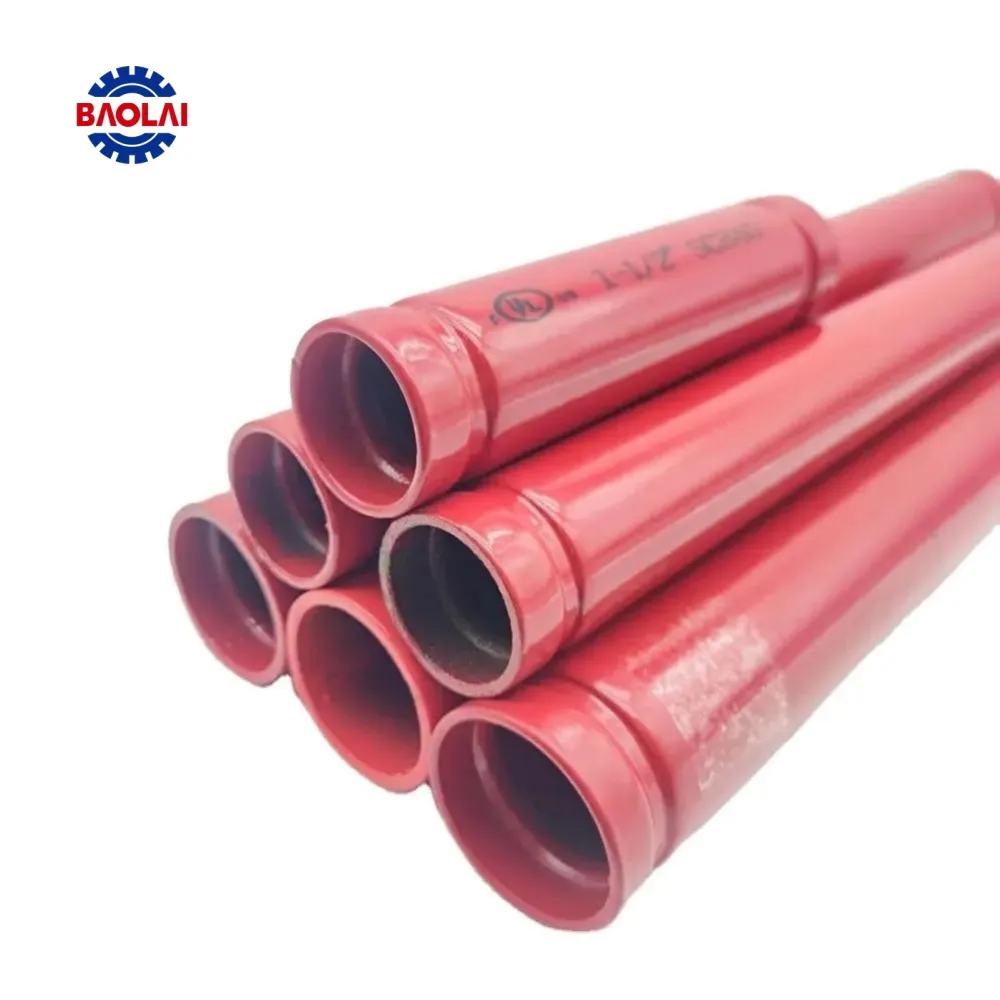
Fire sprinkler system pipe is one of the most essential components in modern fire protection and building safety engineering. It forms the backbone of automatic fire suppression systems that are widely installed in residential, commercial, and industrial buildings. The main purpose of a fire sprinkler system pipe network is to deliver water efficiently to sprinkler heads when a fire is detected, helping to control or extinguish flames before they spread and cause major damage.
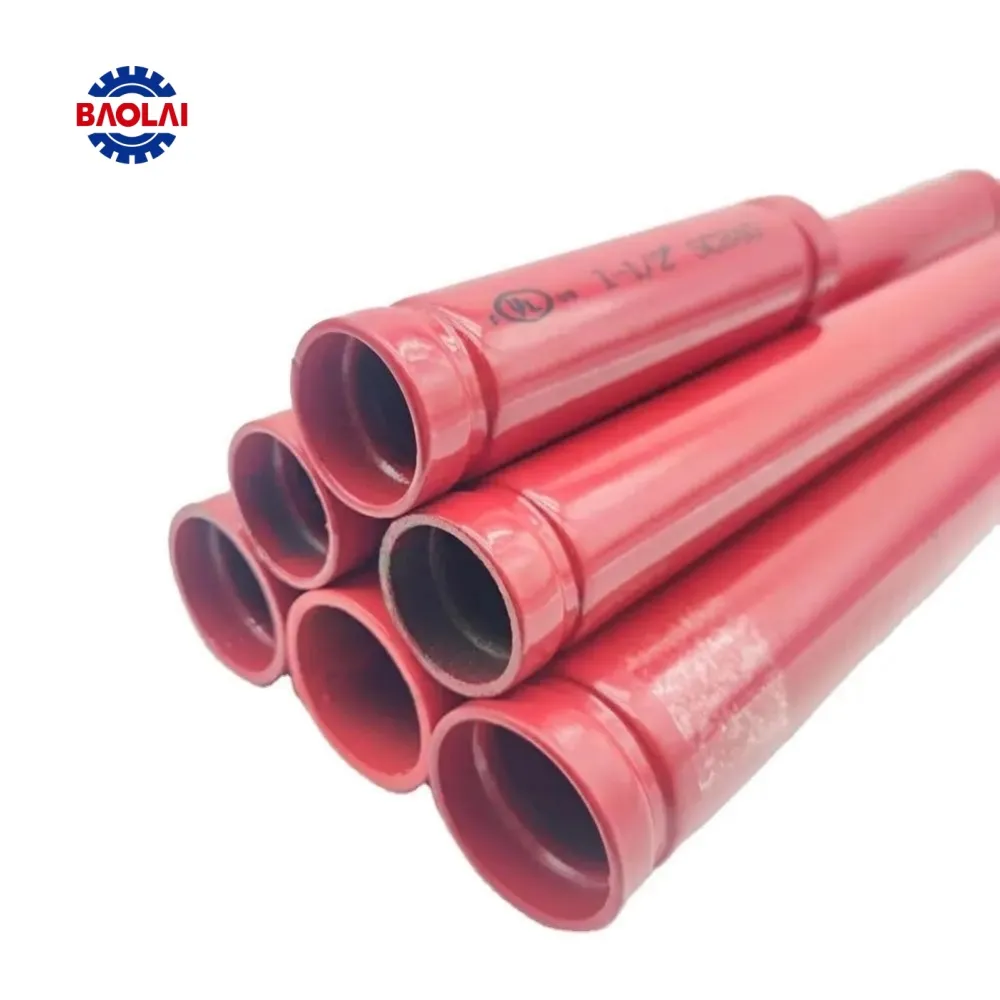
These piping systems are designed to operate under high pressure and extreme conditions, ensuring rapid response during emergencies. Fire sprinkler system pipe networks are typically installed in ceilings, walls, and service areas of buildings, creating a hidden yet highly effective safety infrastructure. When heat from a fire reaches a specific threshold, sprinkler heads activate and release water directly through the piping system to the affected area.
The materials used in fire sprinkler system pipe construction include black steel, galvanized steel, CPVC, and occasionally stainless steel depending on the application. Steel pipes are widely used in commercial and industrial buildings due to their strength and durability, while CPVC pipes are commonly used in residential and light commercial applications for their corrosion resistance and ease of installation. Each material is selected based on fire safety requirements, environmental conditions, and building codes.
Fire Sprinkler System Pipe Materials and System Performance
The performance of a fire sprinkler system pipe depends significantly on the material used and the quality of manufacturing. Steel pipes, especially black steel, are known for their high tensile strength and ability to withstand high water pressure. These pipes are ideal for large-scale commercial buildings such as warehouses, shopping malls, and factories where fire risks are higher and system reliability is critical.
Galvanized steel fire sprinkler system pipe is another widely used option, particularly in environments where moisture exposure is a concern. The zinc coating on these pipes provides corrosion resistance, extending the lifespan of the system and ensuring long-term performance. This makes galvanized pipes suitable for basements, parking structures, and humid environments.
CPVC fire sprinkler piping systems have gained popularity due to their lightweight nature and resistance to chemical corrosion. These pipes are easier to install compared to metal alternatives and require fewer fittings, which reduces installation time and cost. CPVC systems are commonly used in residential buildings, offices, and low-rise commercial properties where moderate fire protection is sufficient.
The internal surface quality of fire sprinkler system pipe also plays an important role in system efficiency. Smooth internal surfaces reduce friction loss, allowing water to flow more effectively through the network. This ensures that sprinkler heads receive adequate pressure during activation, improving overall fire suppression performance.
Modern fire sprinkler system pipe manufacturing processes ensure precise dimensional accuracy and structural integrity. Pipes undergo strict quality control measures, including pressure testing and non-destructive inspection, to guarantee reliable performance under emergency conditions. These standards ensure that the system functions effectively when it is needed most.
Fire Sprinkler System Pipe Installation and Safety Design
The installation of fire sprinkler system pipe requires careful planning and adherence to strict fire safety codes and engineering standards. The process begins with a detailed analysis of the building layout, occupancy type, and potential fire hazards. Based on this assessment, engineers design a piping network that ensures complete coverage of all critical areas within the structure.
During installation, fire sprinkler system pipe is routed through ceilings, walls, and concealed spaces to maintain both functionality and aesthetic integration within the building design. Proper support systems such as hangers and brackets are used to secure the piping network and prevent movement caused by water pressure or structural vibrations.
Hydraulic calculations are an essential part of fire sprinkler system design. These calculations determine pipe sizes, water flow rates, and pressure distribution to ensure that all sprinkler heads operate effectively during activation. A well-balanced system ensures that water reaches all required areas simultaneously, improving fire suppression efficiency.
Compliance with international fire safety standards such as NFPA regulations is mandatory in most commercial and industrial installations. These standards define the minimum requirements for pipe sizing, spacing, pressure levels, and testing procedures. Adhering to these guidelines ensures that the fire sprinkler system pipe network performs reliably during real fire emergencies.
Testing and commissioning are also critical stages in the installation process. Once the system is installed, it undergoes pressure testing and functional testing to verify that all components are operating correctly. This ensures that the system is fully prepared for emergency situations and meets all safety requirements.
Fire Sprinkler System Pipe Maintenance and Long-Term Reliability
The long-term effectiveness of a fire sprinkler system pipe depends heavily on regular maintenance and inspection. Over time, pipes may be affected by corrosion, sediment buildup, or mechanical wear, which can impact water flow and system performance. Routine maintenance helps identify these issues early and ensures continuous system readiness.
Periodic flushing of the system is an important maintenance practice that removes debris and prevents blockages inside the pipes. This helps maintain smooth water flow and ensures that sprinkler heads function properly during activation. Visual inspections of exposed piping sections are also conducted to detect signs of leakage, rust, or structural damage.
Advanced monitoring technologies have improved the maintenance of fire sprinkler systems. Modern systems may include pressure sensors and automated monitoring devices that provide real-time data on system performance. This allows facility managers to detect issues quickly and take corrective action before they affect system reliability.
Corrosion protection is another key factor in maintaining fire sprinkler system pipe longevity. Protective coatings, internal linings, and the use of corrosion-resistant materials help extend the lifespan of the system. In environments with high humidity or chemical exposure, these protective measures are essential for ensuring long-term durability and safety.
Conclusion Fire Sprinkler System Pipe in Modern Fire Safety Infrastructure
Fire sprinkler system pipe is a vital component of modern fire protection infrastructure, ensuring rapid and efficient water distribution during emergency situations. Its role in controlling fire spread and protecting lives and property makes it an essential feature in residential, commercial, and industrial buildings.
From material selection and system design to installation and maintenance, every aspect of a fire sprinkler system pipe network contributes to its overall performance and reliability. Steel and CPVC piping options provide flexibility for different applications, while advanced engineering ensures optimal pressure and water distribution.

