English
 Arabic
 French
 Spanish
 Portuguese
 Deutsch
 Turkish
 Dutch
Dutch
 Italiano
 Russian
 Romaian
 Portuguese (Brazil)
 Greek
Greek
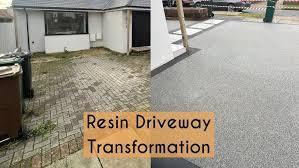
A resin driveway DIY project is a smart way to improve your home’s exterior while saving money compared to hiring professionals. Resin driveways are known for their durability, smooth finish, and attractive appearance. They also offer excellent drainage, making them a practical choice for areas that experience regular rainfall. With the right preparation and attention to detail, you can successfully install a resin driveway yourself.
The first step in any DIY resin driveway project is understanding the type of system you want to use. The two main options are resin-bound and resin-bonded surfaces. Resin-bound driveways are more suitable for DIY installation because the resin and aggregate stones are mixed together before being laid. This creates a smooth, even surface that is permeable, allowing water to drain through naturally. Resin-bonded systems, on the other hand, involve spreading resin over a base and then scattering stones on top, which can be more challenging to apply evenly.
Preparation is the foundation of a successful installation. Your base must be solid, clean, and free of cracks. Concrete or asphalt bases work best. If your existing driveway is in good condition, you can use it as a base after thoroughly cleaning it and repairing any damage. Remove weeds, oil stains, and debris, and ensure the surface is completely dry before starting.
Once your base is ready, gather the necessary materials and tools. These include UV-stable resin, decorative aggregates, a mixing drill or forced-action mixer, a wheelbarrow, trowels, and protective gloves. Accurate measurements are essential so you can calculate how much resin and aggregate you will need. Buying slightly more than required is a good idea to avoid running short during application.
Mixing the resin correctly is one of the most important steps. Follow the manufacturer’s instructions carefully when combining the resin and hardener. Once mixed, add the aggregate stones and ensure they are fully coated. The mixture will begin to set quickly, so you must work efficiently and avoid delays.
When applying the mixture, pour it onto the prepared surface and spread it evenly using a trowel. Work in small sections to maintain consistency and control. Aim for a thickness of around 15–20 mm. Smooth the surface carefully to achieve a professional finish. Having a helper can make this process easier, as timing is crucial.
After laying the resin, allow it to cure properly. Typically, the surface will be ready for foot traffic within 24 hours and for vehicles within 48 hours. During this time, protect the driveway from rain and debris to avoid imperfections.
Maintenance of a resin driveway is simple. Regular sweeping and occasional washing will keep it looking clean and fresh. Its permeable nature reduces water buildup and limits weed growth, making it a low-maintenance option.
In conclusion, a resin driveway DIY project can be highly rewarding. With proper planning, quality materials, and careful execution, you can create a long-lasting, visually appealing driveway that enhances your property’s value and functionalit