 English
 Arabic
 French
 Spanish
 Portuguese
 Deutsch
 Turkish
 Dutch
Dutch
 Italiano
 Russian
 Romaian
 Portuguese (Brazil)
 Greek
Greek
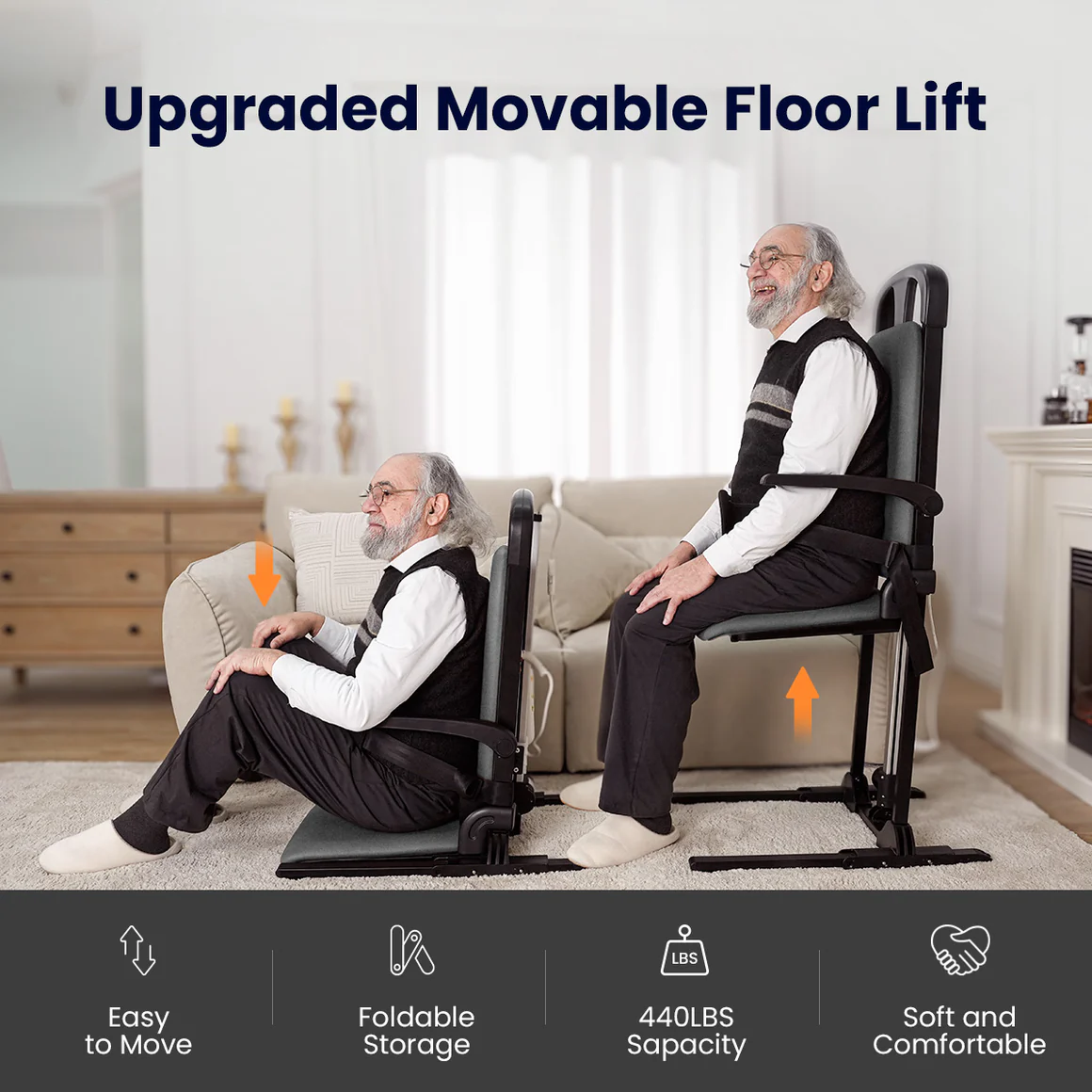
A floor lift is an important mobility assistance device designed to help individuals safely move from a low or floor-level position to a standing position or another surface. For many elderly individuals, people with physical disabilities, or patients recovering from injuries, getting up from the floor can be one of the most difficult and risky daily challenges. A floor lift provides a controlled and supportive solution that reduces physical strain and improves safety during these movements.
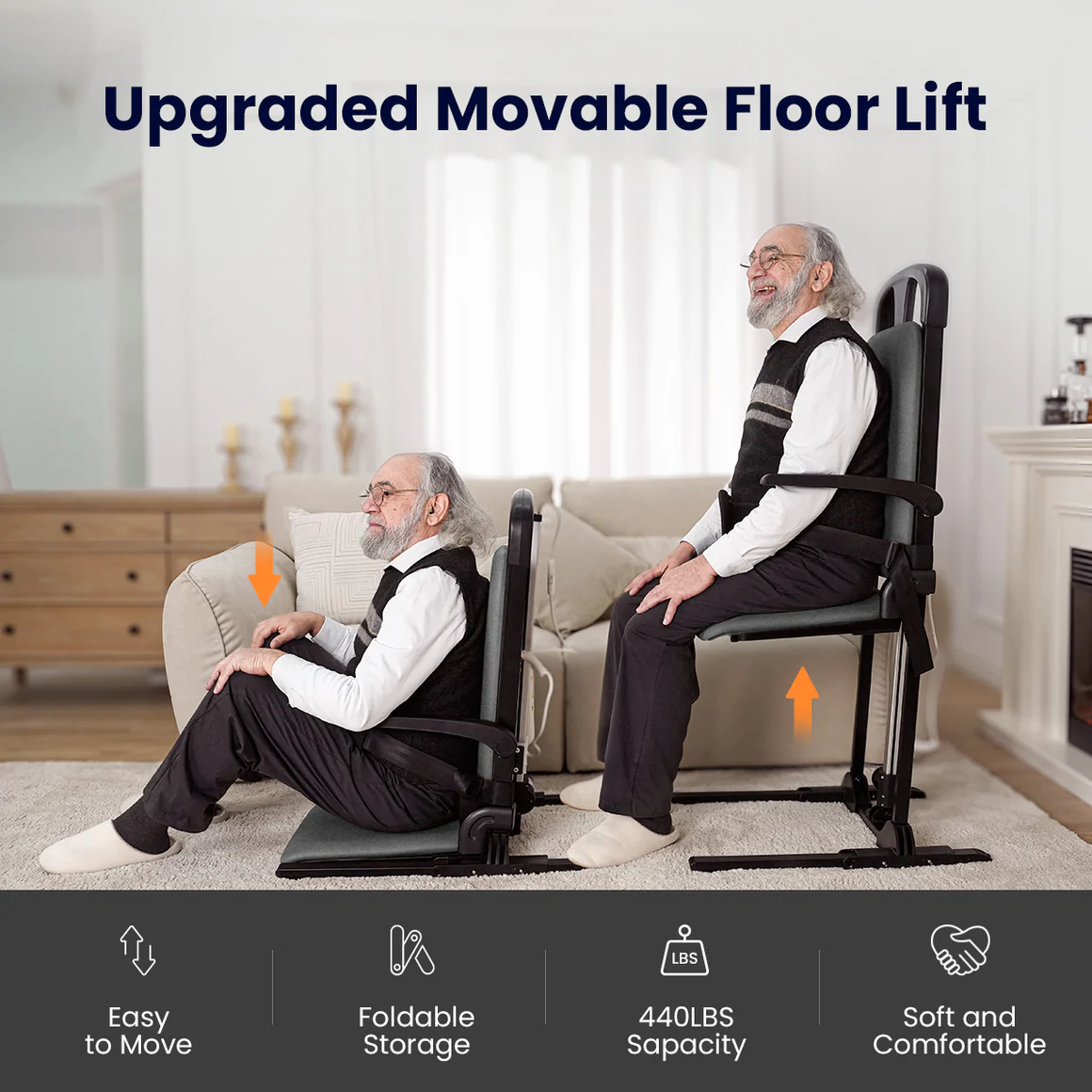
In modern healthcare and home care environments, the floor lift has become a widely recognized mobility aid. It is often used as part of elder care equipment, patient transfer systems, and home rehabilitation tools. With the growing demand for safe and independent living solutions, the floor lift plays a significant role in improving quality of life and reducing dependency on caregivers.
Unlike traditional assistance methods, a floor lift uses mechanical or electric lifting systems to raise the user smoothly and securely. This reduces the risk of falls, muscle strain, and injuries that commonly occur during manual lifting or unsupported movement.
Role of Floor Lift in Mobility Assistance
The floor lift is designed to address one of the most critical mobility challenges faced by individuals with limited strength or balance. Getting up from the floor without support can be extremely difficult, especially for seniors or those recovering from surgery, stroke, or joint problems. The floor lift eliminates this struggle by providing a stable and controlled lifting mechanism.
One of the key advantages of a floor lift is its ability to support safe transfers. Whether a person has fallen or is simply seated at a very low level, the lift can gently elevate them to a safer position. This is especially important in emergency situations where quick but safe assistance is required. In many cases, floor lifts are used alongside other mobility aids such as patient transfer devices, mobility hoists, and lifting chairs to create a complete support system.
The technology behind floor lifts focuses on stability and smooth movement. Most models are designed with strong frames, secure seating platforms, and powered lifting systems that ensure a gradual and balanced rise. This reduces pressure on joints and muscles, making the experience more comfortable and less stressful for the user.
Another important aspect of the floor lift is its role in rehabilitation. Individuals recovering from physical injuries often require gradual movement support to regain strength and confidence. A floor lift provides controlled assistance that allows users to transition safely without overexertion. This makes it an essential tool in both home care and clinical rehabilitation settings.
Features and Applications of Floor Lift Systems
Modern floor lift systems are designed with a focus on safety, durability, and ease of use. One of the most important features is the powered lifting mechanism, which can be electric or hydraulic depending on the model. This system allows smooth vertical movement without sudden jerks or instability, ensuring user safety throughout the process.
Comfort is another essential feature of floor lifts. Many designs include padded support surfaces and ergonomic positioning to ensure that the user remains comfortable during lifting. This is particularly important for individuals who may need frequent assistance throughout the day.
Floor lifts are also highly adaptable. They can be used in residential homes, hospitals, rehabilitation centers, and assisted living facilities. Their flexible design allows them to support a wide range of users, from elderly individuals with limited mobility to patients recovering from long-term medical conditions.
Safety systems are a core part of every floor lift. Features such as secure harnesses, stable base structures, and controlled speed settings help prevent accidents during operation. Many advanced models also include battery backup systems, ensuring that the lift continues to function even during power outages.
Another important application of the floor lift is in caregiver support. Manual lifting of patients can lead to physical strain and injuries for caregivers. A floor lift reduces this burden by handling the heavy lifting process mechanically, allowing caregivers to focus more on patient care rather than physical effort.
In home environments, floor lifts contribute significantly to independent living solutions. They allow individuals to remain in their own homes for longer periods without requiring constant assistance. This independence not only improves physical comfort but also enhances emotional well-being and confidence.
Floor Lift and Independent Living Support
The concept of independent living has become increasingly important in modern healthcare and elderly care planning. A floor lift plays a vital role in supporting this goal by allowing individuals to manage daily mobility challenges with reduced assistance.
For elderly users, maintaining independence is closely linked to dignity and quality of life. The ability to move safely from the floor or low surfaces without external help provides a sense of control and confidence. A floor lift makes this possible by offering a reliable and safe mobility solution.
In addition to independence, floor lifts also contribute to safety in the home environment. Falls are one of the leading causes of injury among older adults, and recovery from such incidents can be difficult. A floor lift reduces the risk of secondary injuries during lifting and ensures that users can be assisted safely after a fall or mobility incident.
Caregivers also benefit greatly from the use of floor lifts. The physical strain associated with lifting or assisting individuals manually can lead to long-term injuries. By using a floor lift, caregivers can perform their duties more safely and efficiently, reducing the risk of physical fatigue and improving overall care quality.
Floor lifts are also becoming a standard part of aging-in-place solutions. As more individuals choose to remain in their homes rather than move to assisted living facilities, the need for reliable mobility support systems continues to grow. The floor lift provides a practical and effective solution that supports this lifestyle choice.
Conclusion on Floor Lift
A floor lift is more than just a mobility device; it is a comprehensive solution for safety, independence, and improved quality of life. By addressing one of the most challenging aspects of mobility—rising from a low or floor position—it provides essential support for elderly individuals, patients, and caregivers alike.
With its advanced lifting systems, safety features, and versatile applications, the floor lift has become an important part of modern home care and rehabilitation environments. It reduces the risk of injury, supports independent living, and enhances overall comfort for users.

