 English
 Arabic
 French
 Spanish
 Portuguese
 Deutsch
 Turkish
 Dutch
Dutch
 Italiano
 Russian
 Romaian
 Portuguese (Brazil)
 Greek
Greek
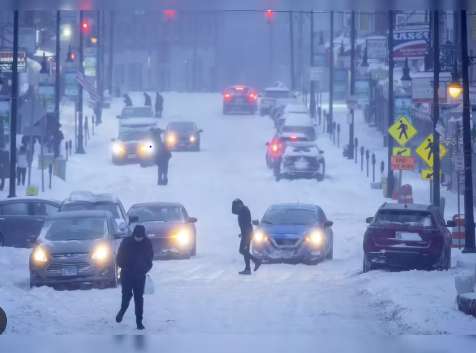
Winter storms can create serious challenges for everyone, but elderly adults and other vulnerable populations often face the greatest risks. Cold temperatures, heavy snow, ice, power outages, and dangerous travel conditions can quickly turn a routine winter weather event into a life-threatening situation. Seniors living alone, people with mobility limitations, individuals with chronic health conditions, and residents of assisted living facilities may need additional support before, during, and after a major storm.
Preparing vulnerable family members and neighbors requires more than simply stocking up on supplies. It involves understanding their unique needs, creating reliable communication plans, preventing accidents, maintaining access to essential medications, protecting mental health, and ensuring they have a safe environment throughout the storm. A thoughtful approach can reduce risks and help elderly relatives feel secure during periods of extreme weather.
Why Elderly Adults Face Greater Risks During Winter Storms
Aging can bring physical changes that make cold weather emergencies more dangerous. Many older adults experience reduced circulation, slower metabolism, decreased mobility, and difficulty recognizing when their bodies are becoming dangerously cold. These factors increase the risk of hypothermia, frostbite, falls, and other storm-related injuries.
In addition, many seniors depend on daily medications, medical equipment, transportation services, or regular healthcare appointments. A storm that closes roads or interrupts electricity can quickly interfere with essential routines. Even a short disruption may create serious health concerns for someone who depends on oxygen equipment, refrigerated medication, or mobility devices.
Social isolation is another important concern. Older adults who live alone may not have anyone checking on them regularly, making it harder for others to notice problems such as a failed heating system, a fall inside the home, or worsening health conditions.
Protecting vulnerable people starts with recognizing these risks early and creating a plan before severe weather arrives.
Checking on Elderly Neighbors Before and During Winter Storms
One of the most effective ways to protect vulnerable people is through regular community support. Elderly neighbors may hesitate to ask for help, even when they need assistance. A simple phone call, text message, or visit before a storm can make a significant difference.
Before winter weather arrives, check whether older neighbors have:
- Enough food and drinking water for several days
- Necessary prescription medications
- Working heating systems
- Flashlights, batteries, and emergency supplies
- Safe transportation options if evacuation becomes necessary
- A reliable way to communicate during power outages
During a storm, continue checking in whenever possible. If roads are unsafe, phone calls or video chats can help maintain contact. Ask specific questions rather than simply asking if everything is fine. For example, ask whether their home is warm enough, whether they have eaten, whether their medications are available, and whether they need assistance.
Family members should also establish a communication schedule with elderly relatives. Knowing that someone will call at a certain time each day provides reassurance and allows problems to be identified quickly.
If you have elderly parents living alone, bookmark winter storm warning near me on their phone or tablet — it helps them quickly check whether dangerous winter conditions are expected in their area and prepare ahead of time.
Medication Stockpiling and Health Preparation
For many seniors, maintaining access to medications is one of the most important parts of winter storm preparation. A delay in receiving prescriptions can create serious medical complications, especially for individuals managing heart conditions, diabetes, respiratory illnesses, or other chronic health issues.
Before winter storm season begins, families should review medication needs and create an emergency supply plan. Talk with healthcare providers and pharmacies about options for obtaining extra medication before severe weather. Many doctors recommend keeping enough essential medication available to handle unexpected delays.
Important medication preparation steps include:
- Creating a complete list of prescriptions, including dosage information
- Keeping medications stored in their original containers
- Checking expiration dates regularly
- Understanding which medications require refrigeration
- Having copies of medical records available
- Knowing how to contact healthcare providers remotely
Caregivers should also make sure seniors understand how to safely manage medications during stressful situations. Confusion, disrupted routines, and power outages can increase the possibility of missed doses or accidental double dosing.
Medical equipment should also be considered. People who use oxygen machines, electric wheelchairs, CPAP devices, or other powered equipment may need backup power options. Families should discuss emergency plans with healthcare providers and equipment suppliers before storms occur.
Preventing Falls on Ice and Snow
Falls are among the most common winter-related injuries among older adults. Ice-covered sidewalks, snowy driveways, and slippery steps create dangerous conditions, especially for seniors with balance problems or limited mobility.
A fall that might only cause a minor injury for a younger person can lead to fractures, hospitalization, loss of independence, or long-term health complications for an elderly adult.
Preventing falls begins with preparing the home environment:
- Clear snow and ice from walkways whenever possible
- Apply salt, sand, or ice-melting products to slippery areas
- Install secure handrails on steps
- Improve outdoor lighting
- Keep indoor floors dry near entrances
- Remove loose rugs or objects that create tripping hazards
Older adults should avoid unnecessary outdoor travel during icy conditions. Even a short trip to retrieve mail or take out trash can become dangerous when surfaces are frozen.
If seniors must go outside, they should wear shoes or boots with strong traction and avoid rushing. Using a walking aid, such as a cane or walker designed for winter conditions, can provide additional stability.
Families and neighbors can help by handling outdoor chores during storms. Removing the pressure for seniors to clear snow themselves reduces the chance of preventable injuries.
Heating Safety and Assistance Programs Like LIHEAP
Maintaining a warm home is essential for elderly adults during winter storms. Some seniors face difficult choices between paying heating bills and covering other necessities such as food or medication. This can lead to unsafe indoor temperatures and increased risk of cold-related illnesses.
The Low Income Home Energy Assistance Program (LIHEAP) provides financial assistance to eligible households struggling with heating costs. The program helps qualifying individuals pay energy bills, repair or replace heating equipment, and improve energy efficiency.
Families supporting older relatives should explore available heating assistance programs before winter arrives. Eligibility requirements and application processes vary depending on location, so early preparation is important.
Additional ways to improve home warmth include:
- Sealing drafts around doors and windows
- Using weather stripping to reduce heat loss
- Keeping curtains closed during cold nights
- Ensuring heating systems receive regular maintenance
- Dressing in warm layers indoors
- Using blankets safely
Heating equipment must also be used carefully. Space heaters should never be placed near curtains, bedding, or other flammable materials. Generators should always remain outside and away from windows to prevent carbon monoxide poisoning.
Understanding Hypothermia Risks in Seniors
Hypothermia occurs when the body loses heat faster than it can produce it. Older adults are especially vulnerable because they may have less body fat, reduced circulation, and a lower ability to sense temperature changes.
Seniors may develop hypothermia even in indoor environments if their home is poorly heated. Warning signs can include:
- Shivering
- Slurred speech
- Confusion
- Extreme tiredness
- Weakness
- Slow breathing
- Loss of coordination
In some cases, older adults may not realize they are becoming dangerously cold. Certain medications and medical conditions can also affect how the body responds to cold temperatures.
To reduce hypothermia risks:
- Keep indoor temperatures at safe levels
- Encourage seniors to wear warm clothing indoors
- Provide extra blankets and warm beverages when appropriate
- Check heating systems before storms
- Monitor elderly relatives more frequently during extreme cold
If someone shows signs of severe hypothermia, emergency medical assistance should be contacted immediately.
Supporting Mental Health and Reducing Isolation During Storms
Winter storms do not only affect physical safety. They can also have a significant impact on emotional well-being. Long periods indoors, canceled activities, limited visitors, and communication disruptions can increase loneliness and anxiety among older adults.
Many seniors already experience reduced social contact, and severe weather can make isolation worse. Feeling disconnected during a storm may contribute to depression, stress, and fear.
Families can support mental health by creating regular connection routines:
- Schedule daily phone calls
- Use video calls when possible
- Encourage hobbies and indoor activities
- Share updates about weather conditions
- Provide reassurance and emotional support
Technology can be especially helpful during storms. Tablets, smartphones, and simple communication devices can help seniors stay connected with family members and friends.
Caregivers should also pay attention to changes in mood or behavior. Increased confusion, withdrawal, sadness, or unusual anxiety may indicate that an elderly person needs additional emotional support.
Preparing Assisted Living Facilities for Winter Storms
Assisted living communities and senior care facilities have a responsibility to maintain strong emergency preparedness plans. Because these facilities often care for residents with complex medical needs, winter storm preparation must be detailed and proactive.
A well-prepared facility should have:
- Emergency communication systems
- Backup power plans
- Adequate heating systems
- Medication management procedures
- Food and water supplies
- Transportation arrangements
- Staff emergency training
Staff members should know how to monitor residents for signs of hypothermia, dehydration, falls, and emotional distress. Emergency drills should be conducted regularly so employees understand their roles during severe weather.
Facilities should also maintain relationships with local emergency services and healthcare providers. Clear communication channels help ensure residents receive appropriate care if conditions become dangerous.
Family members of assisted living residents should stay informed about facility policies and emergency procedures. Knowing how a facility responds to storms can provide peace of mind and help families make informed decisions.
Creating a Winter Storm Safety Plan for Vulnerable Loved Ones
A strong winter storm plan should be personalized to each person’s needs. There is no single approach that works for everyone. Some seniors may need transportation assistance, while others may require help managing medications or medical equipment.
A complete plan should include:
- Emergency contact information
- Medication details
- Healthcare provider information
- Heating assistance resources
- Transportation options
- Communication schedules
- Backup plans for power outages
Families should discuss these plans before a storm occurs. Waiting until dangerous weather arrives can create unnecessary stress and limited options.
The Importance of Community Support During Severe Winter Weather
Protecting elderly relatives and vulnerable populations is not only a family responsibility. Communities play an essential role in helping people stay safe during winter storms.
Neighbors, local organizations, healthcare providers, and emergency services all contribute to a stronger safety network. A quick check-in, a cleared walkway, or assistance with groceries can prevent serious problems.
Winter storms are challenging, but preparation and compassion can greatly reduce their impact. By planning ahead, maintaining communication, protecting health needs, and supporting emotional well-being, families and communities can help elderly adults and vulnerable individuals remain safe, comfortable, and cared for throughout the coldest months of the year

