 English
 Arabic
 French
 Spanish
 Portuguese
 Deutsch
 Turkish
 Dutch
Dutch
 Italiano
 Russian
 Romaian
 Portuguese (Brazil)
 Greek
Greek
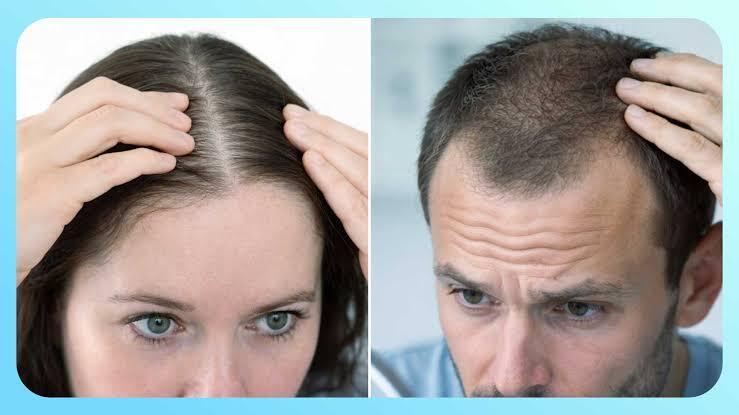
Hair loss is a common concern that affects millions of people around the world. Losing a few hairs each day is completely normal because hair naturally goes through cycles of growth, rest, and shedding. However, when hair starts falling out more than usual, the scalp becomes noticeably thinner, or bald patches hair loss appear, it may indicate an underlying cause that deserves attention.
Hair loss can happen for many different reasons. Genetics, hormones, nutrition, stress, medical conditions, medications, and everyday lifestyle habits can all influence the health of the hair and scalp. Understanding these factors is an important first step toward managing hair loss and maintaining healthier-looking hair.
Understanding the normal Hair growth Cycle
Before exploring the causes of hair loss, it helps to understand how hair normally grows. Each individual hair follicle follows a natural cycle consisting of three main phases.
The anagen phase is the active growth stage. During this period, hair grows continuously and can remain in this phase for several years. The catagen phase is a short transitional period when growth slows down. Finally, the telogen phase is the resting stage. Eventually, the old hair falls out and the follicle can begin a new growth cycle.
It is normal to lose some hair every day as part of this process. Problems occur when too many follicles enter the resting or shedding phase at the same time, or when follicles gradually become smaller and produce thinner hairs.
Genetics and Hereditary Hair loss
One of the most common causes of hair loss is genetics. Hereditary hair loss, often called pattern hair loss, can affect both men and women. It can be inherited from either side of the family, meaning that looking only at your mother's or father's hair history does not always tell the complete story.
In genetically influenced hair loss, hair follicles can become increasingly sensitive to certain hormones. Over time, affected follicles may shrink and produce finer, shorter hairs. In men, this often appears as a receding hairline or thinning around the crown. Women may experience more general thinning, particularly around the top or central part of the scalp.
Genetic hair loss can develop gradually, and the age at which it begins varies considerably. Some people notice changes in their twenties, while others may not experience significant thinning until much later.
Hormonal Changes and Hair loss
Hormones play an important role in hair growth. Changes in hormone levels can affect the hair-growth cycle and contribute to temporary or long-term shedding.
Androgens, a group of hormones that includes testosterone and dihydrotestosterone (DHT), are particularly relevant to pattern hair loss. In genetically susceptible individuals, follicles may respond to these hormones by becoming progressively smaller.
Hormonal changes associated with pregnancy, childbirth, menopause, or certain endocrine conditions can also affect hair. Some women experience increased shedding after giving birth because hormonal levels change significantly during this period. In many cases, this type of shedding is temporary and improves as the body's hormonal balance changes.
Because hormonal hair loss can have different causes, persistent or sudden shedding may be worth discussing with a qualified healthcare professional.
Stress and Emotional Factors
Stress is another factor that can influence hair shedding. Significant physical or emotional stress may disrupt the normal hair cycle and cause more hairs to enter the resting phase.
This type of shedding is commonly referred to as telogen effluvium. It may appear several weeks or months after a stressful event rather than immediately. Major illness, surgery, severe emotional stress, rapid weight loss, or other substantial changes can sometimes trigger increased shedding.
The good news is that stress-related hair shedding may improve once the underlying trigger is addressed. However, recovery can take time because hair grows slowly and follicles need to return to their normal cycle.
Nutrition and Hair Health
Hair follicles require adequate nutrients to support normal growth. Poor nutrition or restrictive eating patterns may contribute to hair shedding, especially when the body does not receive enough protein, iron, zinc, or other essential nutrients.
Protein is particularly important because hair is primarily made of a protein called keratin. Extremely low-protein diets may therefore affect hair health. Iron deficiency can also be associated with hair loss in some individuals.
A balanced diet containing vegetables, fruits, whole grains, healthy fats, and adequate protein can support overall health and provide the nutrients needed by hair follicles. However, taking supplements without identifying a deficiency is not always beneficial. Excessive amounts of certain nutrients can actually cause health problems.
Lifestyle Habits That may Affect Hair
Everyday habits can influence the condition of the hair and scalp. Excessive heat from styling tools, frequent chemical treatments, tight hairstyles, and rough handling can damage the hair shaft and cause breakage.
It is important to distinguish between hair breakage and hair loss from the follicle. Breakage occurs when the hair shaft becomes damaged and snaps, while true hair loss involves the hair coming out from the follicle. Both can make hair appear thinner.
Smoking, poor sleep, chronic stress, and an unbalanced diet may also negatively affect overall health, which can indirectly influence hair condition. Maintaining healthy lifestyle habits cannot prevent every type of hair loss, particularly genetically determined forms, but it can help support healthier hair.
Medical conditions and Medications
Sometimes hair loss is connected to an underlying medical condition. Thyroid disorders, certain autoimmune diseases, scalp conditions, hormonal disorders, and other health problems can affect hair growth.
Some medications can also cause increased shedding as a side effect. The timing and pattern of hair loss can provide useful clues, but it is not possible to determine the exact cause based on appearance alone.
Sudden, severe, or unexplained hair loss should therefore be evaluated by a healthcare professional. Identifying the underlying cause is often more useful than simply treating the visible symptom.
Can Hair loss Be Prevented?
Not every type of hair loss can be prevented. Genetic factors, aging, hormonal changes, and certain medical conditions may be outside a person's control. Nevertheless, several habits can support healthy hair.
Eating a balanced diet, avoiding unnecessary crash diets, managing stress, treating hair gently, and avoiding excessively tight hairstyles may help reduce preventable damage. Good scalp hygiene can also help maintain a healthy environment for hair follicles.
If hair loss continues despite healthy habits, professional evaluation can help determine whether a specific treatment may be appropriate.
When Should you Seek Professional Advice?
Occasional shedding is normal, but certain changes deserve attention. These include sudden heavy shedding, rapidly developing bald patches, significant scalp irritation, painful or inflamed areas, or noticeable thinning that continues over time.
A healthcare professional or dermatologist can examine the scalp, review medical and family history, and determine whether additional testing is appropriate. Depending on the suspected cause, treatment options may include lifestyle changes, addressing nutritional deficiencies, medical treatments, or other approaches.
The earlier the cause is identified, the easier it may be to manage certain forms of hair loss.
Final thoughts
Hair loss is rarely caused by just one factor. Genetics can determine how susceptible hair follicles are to thinning, while hormones, stress, nutrition, medical conditions, medications, and lifestyle habits can influence how the condition develops.
Understanding the possible causes is more useful than relying on a single hair-loss solution. Healthy nutrition, gentle hair care, stress management, and appropriate medical guidance can all play a role in maintaining hair health. If thinning or shedding becomes persistent, sudden, or concerning, seeking professional advice can help identify the underlying cause and determine the most suitable next steps.
Ultimately, hair loss is a common experience, but its causes and patterns can vary greatly from person to person. Paying attention to changes early and taking a balanced approach to scalp and overall health can make managing the condition more effective.

