 English
 Arabic
 French
 Spanish
 Portuguese
 Deutsch
 Turkish
 Dutch
Dutch
 Italiano
 Russian
 Romaian
 Portuguese (Brazil)
 Greek
Greek
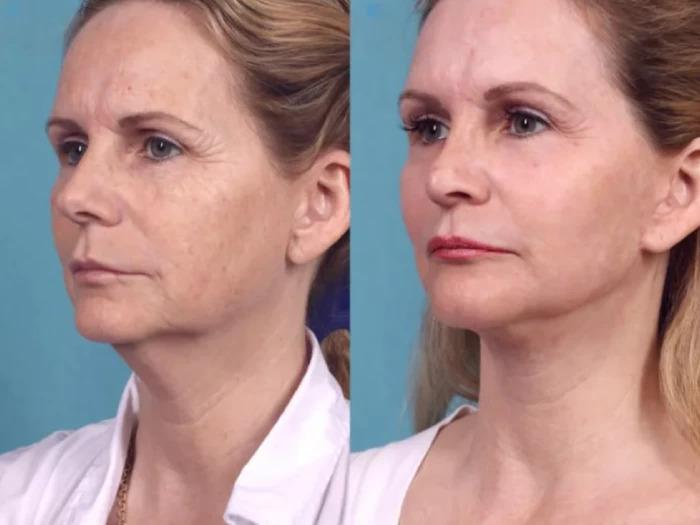
Fat Transfer in Dubai: Understanding the Recovery Process
Fat transfer in dubai involves removing fat from one part of the body and placing it into another area. The process usually includes three main steps: fat removal, fat preparation, and fat placement.
Because the procedure involves more than one treatment area, recovery can vary from person to person. You may experience swelling, bruising, tenderness, and mild discomfort in both the area where fat was removed and the area where it was transferred.
Most people notice that the first few days are the most uncomfortable. Swelling and bruising gradually improve over the following weeks. However, the body needs more time for the transferred fat to settle and for the final results to become visible.
The recovery process is generally divided into early healing, intermediate recovery, and long-term healing.
How Long Does Fat Transfer Recovery Take?
The recovery period after fat transfer is different for everyone. Some people feel comfortable returning to light daily activities within a few days, while others need more time.
A general recovery timeline is:
- First 3 days: Swelling, bruising, and tenderness are common.
- First week: Light activities may be possible, depending on the treatment area.
- 2 to 3 weeks: Most visible swelling and bruising begin to improve.
- 4 to 6 weeks: Many people feel more comfortable returning to normal activities, subject to medical advice.
- 3 to 6 months: Results become more settled as the transferred fat stabilizes.
- 6 months or longer: The final appearance may become clearer, depending on the procedure.
These are general estimates, not guaranteed recovery times. Your healing may be faster or slower depending on your health, lifestyle, and the amount of fat transferred.
Fat Grafting: What Happens During Healing?
fat grafting is another name for fat transfer. It involves moving fat from one area of the body to another to restore volume or improve shape.
During recovery, some of the transferred fat may be naturally absorbed by the body. The remaining fat may become established in the treated area. This is why the appearance can change during the first few months.
In the beginning, the treated area may look fuller than expected because of swelling. This does not always represent the final result.
As healing continues, the swelling gradually decreases. The transferred fat begins to settle, and the treated area may look more natural.
It is important not to judge the final outcome too early. The body needs time to heal and adjust after the procedure.
First Week After Fat Transfer: What to Expect
The first week is usually the most important part of early recovery. During this time, your body is working to heal the areas affected by fat removal and fat placement.
You may experience:
- Swelling in the treated areas.
- Bruising around the fat removal or transfer sites.
- Mild pain or tenderness.
- A feeling of tightness.
- Temporary changes in the shape of the treated area.
- Reduced energy during the first few days.
Rest is important during this stage. You should follow the instructions provided by your medical team regarding movement, medication, wound care, and sleeping positions.
Avoid strenuous exercise and activities that put pressure on the treated area until you are cleared to resume them.
If your procedure involved facial fat transfer, you may also notice temporary puffiness or uneven swelling. This usually improves as the healing process continues.
Under Eye Fat Transfer: How Long Is Recovery?
under eye fat transfer is used to improve the appearance of hollows beneath the eyes. It can help restore volume in the under-eye area and create a smoother transition between the lower eyelid and cheek.
Because the skin around the eyes is delicate, swelling and bruising may be noticeable after treatment.
During the first few days, you may experience:
- Puffiness under the eyes.
- Bruising around the lower eyelids.
- Mild tenderness.
- Temporary unevenness.
- Changes in the appearance of under-eye hollows.
Many people notice improvement within one to two weeks, but some swelling can last longer. The final appearance may take several weeks or months to settle.
The recovery time for under-eye fat transfer depends on the amount of fat used, the technique, and your individual healing response.
Do not rub or press the treated area unless your medical professional specifically advises you to do so. Follow all aftercare instructions carefully.
Fat Transfer Recovery Timeline: Week by Week
Understanding the recovery timeline can help you plan your work, travel, and daily activities.
Days 1 to 3: Early Recovery
The first few days are focused on rest and comfort. Swelling and bruising may be at their highest during this stage.
You may need help with some daily tasks, especially if fat was removed from multiple areas or transferred to a sensitive part of the body.
Follow your prescribed medication schedule and avoid unnecessary physical activity.
Days 4 to 7: Gradual Improvement
By the end of the first week, some people begin to feel more comfortable. Swelling and bruising may still be present, but they often start to improve.
Light walking may be encouraged if approved by your medical team. However, you should avoid heavy lifting, strenuous exercise, and activities that put pressure on the treated area.
Your return to work depends on the type of work you do and the area treated.
Weeks 2 to 3: Visible Healing
During the second and third weeks, many people notice a reduction in swelling and bruising.
You may be able to return to more daily activities, but your body may still need additional time to heal.
The treated area may continue to change in shape as swelling decreases. Some temporary unevenness can occur during this period.
Weeks 4 to 6: Returning to Routine
By four to six weeks, many people are able to resume more normal activities, depending on their procedure and medical advice.
The treated areas may feel more comfortable, but the final result is not always visible yet.
You should continue following any instructions regarding exercise, pressure, and skin care.
Months 3 to 6: Final Results Become Clearer
Fat transfer results often continue to change over several months.
During this time, the body may absorb some of the transferred fat. The remaining fat may settle and contribute to the long-term appearance.
Your medical professional can help you understand when your results are stable enough to assess.
Fat Transfer Cost: Does Recovery Affect the Price?
Many people researching fat transfer cost focus on the procedure itself, but recovery can also affect the overall expense.
The total cost may depend on the treatment area, the amount of fat required, the complexity of the procedure, and the aftercare involved.
Recovery-related expenses may include:
- Prescribed medications.
- Follow-up appointments.
- Support garments, if recommended.
- Time away from work.
- Transportation or assistance during the first few days.
- Additional aftercare products.
Not everyone will need all of these expenses. However, it is useful to plan for the full treatment journey rather than focusing only on the initial procedure price.
Fat Transfer Cost in Dubai: What Should You Consider?
When researching Fat transfer cost in dubai, it is important to understand that prices can vary depending on the type of treatment.
Facial fat transfer, under-eye fat transfer, and body fat transfer may involve different techniques and treatment requirements.
The total price may be influenced by:
- The area being treated.
- The amount of fat needed.
- The complexity of fat removal.
- The type of anesthesia used.
- The facility and treatment arrangements.
- Follow-up care.
- Any additional procedures performed at the same time.
You should ask for a clear breakdown of the expected costs before making a decision. A consultation can help you understand what is included in the quoted price.
Fat Transfer Prices: Why Do They Vary?
fat transfer prices can differ from one person to another because each treatment is customized.
For example, a small facial fat transfer may require less fat removal than a larger body procedure. The amount of work involved can affect the overall cost.
It is also important to consider recovery time when planning your budget. If you need time away from work or additional support during healing, these factors may affect your overall expenses.
The most suitable treatment should be based on your goals, safety, and medical needs rather than price alone.
Best Plastic Surgeon in Dubai: Choosing the Right Professional for Your Treatment
When researching the Best Plastic surgeon in dubai, many people focus on experience, treatment quality, and patient safety.
For a fat transfer procedure, it is important to understand the treatment process and the recovery requirements before making a decision.
During a consultation, you can ask about:
- The expected recovery timeline.
- Possible swelling and bruising.
- When you can return to work.
- When exercise can be resumed.
- How long results may take to settle.
- What aftercare is required.
- What risks and complications may occur.
A qualified medical professional should explain the procedure clearly and help you understand whether it is suitable for your needs.
Best Doctors in Dubai: What to Ask During a Consultation
People searching for Best Doctors in dubai often want to feel confident about their treatment choices.
A consultation is an opportunity to ask questions and understand what recovery may look like for you.
Useful questions include:
- How long is the expected recovery for my treatment area?
- When can I return to work?
- When can I exercise again?
- How should I sleep after the procedure?
- What should I do if swelling increases?
- When will I see the final results?
- What are the possible risks?
- What follow-up care will I need?
Clear answers can help you prepare for the recovery process and make realistic plans.
Best Fat Transfer Surgeon in Dubai: Understanding Treatment Safety
If you are searching for the Best fat transfer surgeon in Dubai, it is important to focus on proper medical qualifications, experience, and safe treatment practices.
Fat transfer is a medical procedure, and it carries potential risks. These may include infection, bleeding, changes in sensation, uneven results, fat absorption, and other complications.
The risks depend on the treatment area and the technique used.
A proper medical consultation should include a discussion of your medical history, expectations, and possible complications.
You should also receive clear aftercare instructions and know when to contact your medical team if something does not feel right.
Best Fat Transfer Surgeons in Dubai: What Makes Recovery Easier?
People comparing the Best fat transfer surgeons in Dubai should also consider how well the treatment process is explained.
Recovery can be easier when you understand what to expect and have a clear plan for the first few weeks.
Helpful preparation steps include:
- Arrange time off work.
- Prepare comfortable clothing.
- Organize transportation after the procedure.
- Keep prescribed medications ready.
- Arrange help at home if needed.
- Follow instructions about sleeping and movement.
- Attend follow-up appointments.
- Avoid smoking, if possible, because it can interfere with healing.
Your medical professional may provide additional instructions depending on the area treated.
Perfect Doctors Clinic: Understanding Your Recovery Plan
If you are considering treatment at Perfect Doctors Clinic, it is important to discuss the recovery process during your consultation.
Every fat transfer procedure is different, and your medical team can explain what to expect based on your treatment plan.
You should ask about the estimated healing time, activity restrictions, follow-up appointments, and possible changes in appearance during recovery.
A clear recovery plan can help you feel more prepared and reduce uncertainty after treatment.
Dr. Perfect Celebrity: Understanding Fat Transfer Expectations
When researching Dr. perfect celebrity and fat transfer treatments, it is important to focus on realistic expectations.
Fat transfer can improve volume and shape, but results vary from person to person.
The amount of fat that remains after healing is not always predictable. Some people may need additional treatment to achieve their desired appearance, while others may be satisfied with one procedure.
Your expectations should be discussed during a consultation so you understand what the treatment can and cannot achieve.
How to Take Care of Yourself After Fat Transfer
Good aftercare is an important part of recovery. Following your medical professional’s instructions can help support healing and reduce unnecessary problems.
Get Enough Rest
Your body needs energy to recover. Try to get enough sleep and avoid overexertion during the first few days.
Follow Activity Restrictions
Do not return to heavy exercise or activities that put pressure on the treated area until you are cleared to do so.
Avoid Smoking
Smoking can interfere with healing and increase the risk of complications. Ask your medical professional for advice if you smoke.
Maintain a Balanced Diet
Eat regular, balanced meals and drink enough fluids. Good nutrition supports general recovery.
Attend Follow-Up Appointments
Follow-up visits allow your medical team to monitor healing and address concerns.
Protect the Treated Area
Avoid unnecessary pressure, rubbing, or injury to the treated area. Follow specific instructions provided for your procedure.
When Should You Contact Your Medical Professional?
Some swelling and discomfort are expected after fat transfer, but certain symptoms need prompt medical attention.
Contact your medical professional if you notice:
- Severe or worsening pain.
- Increasing redness or warmth.
- Fever or chills.
- Unusual discharge.
- Significant swelling that is getting worse.
- Difficulty breathing or chest pain.
Sudden difficulty breathing, chest pain, or severe symptoms require emergency medical attention.
It is always better to ask for medical advice if you are unsure whether a symptom is normal.
Conclusion: How Long Does Fat Transfer Recovery Take?
Fat transfer recovery usually takes several weeks, but the final results may take three to six months or longer to settle.
The first week is often focused on rest, swelling control, and basic aftercare. During the following weeks, bruising and swelling gradually improve. By four to six weeks, many people can return to more normal activities, depending on their treatment and medical advice.
Facial fat transfer and under eye fat transfer may have different recovery experiences from body fat transfer. The treatment area, amount of fat transferred, and individual healing process all affect the timeline.
If you are considering fat transfer in dubai, understanding recovery is just as important as understanding the procedure itself. Ask your medical professional about healing time, aftercare, activity restrictions, and realistic results before making your decision.


