 English
 Arabic
 French
 Spanish
 Portuguese
 Deutsch
 Turkish
 Dutch
Dutch
 Italiano
 Russian
 Romaian
 Portuguese (Brazil)
 Greek
Greek
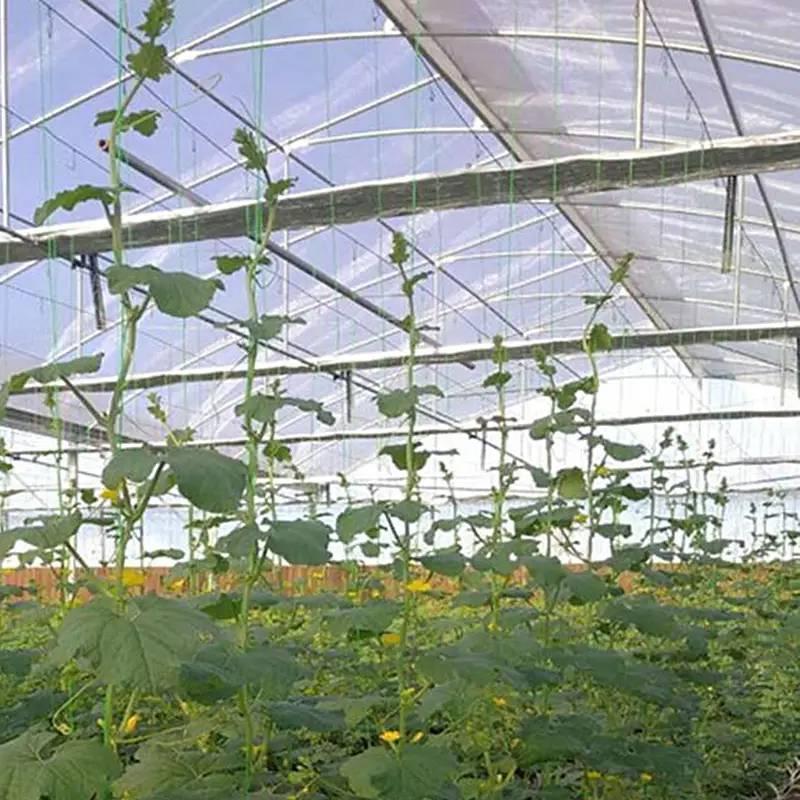
Ordering a large greenhouse is an exciting step for any grower, but it can also raise many questions. How long will construction take? What needs to be prepared on site? How are materials delivered and assembled? Understanding the installation process helps growers plan their timelines, budgets, and crop schedules with confidence. As an experienced multi span greenhouse manufacturer, Sainpoly guides clients through each stage of a project, from initial design to final commissioning, ensuring the finished greenhouse is built correctly and ready for productive growing.
Initial Consultation and Requirements
Every project begins with understanding the grower's needs. Discussions cover crops, production goals, site location, climate conditions, budget, and timeline. This information shapes the greenhouse type, size, covering, climate systems, and layout. Clear communication at this stage prevents misunderstandings later and ensures the final structure matches the grower's expectations. Sainpoly works closely with clients during this phase to gather the details needed for accurate planning.
Site Survey and Preparation
Before construction can begin, the site must be assessed and prepared. This includes checking topography, soil conditions, drainage, access routes, and utility connections. The land may need leveling, compaction, or drainage improvements. Proper site preparation is essential because an uneven or unstable base can cause structural problems. Growers are usually responsible for some preparation work, so understanding these requirements early helps keep the project on schedule.
Design and Engineering
Once requirements are clear, the greenhouse is designed and engineered. Structural calculations consider local wind and snow loads, while layout drawings show bay arrangement, gutter heights, ventilation, and equipment placement. Climate, irrigation, and electrical systems are integrated into the design. Detailed drawings guide both manufacturing and installation. Careful engineering at this stage ensures safety, performance, and smooth construction.
Manufacturing and Quality Control
After design approval, components are manufactured. Steel parts are cut, formed, punched, and hot-dip galvanized. Connectors, gutters, vent systems, and other components are produced or sourced according to specifications. Quality checks ensure parts are accurate and consistent. Well-manufactured components assemble more easily and form a stable, aligned structure, reducing installation time and avoiding problems on site.
Packaging and Shipping
Large greenhouse projects involve many components that must arrive safely and in an organized manner. Parts are packed and labeled to make identification and assembly straightforward. For international projects, shipping documents and logistics are coordinated carefully. Growers should plan storage space on site for materials upon arrival. Organized delivery makes installation more efficient and reduces the risk of missing or damaged components.
Foundation Work
Installation begins with foundations. Column positions are marked precisely according to drawings, and footings are prepared, often using concrete. Accurate foundation placement is critical because errors here affect the entire structure. Foundations must be level and properly cured before the frame is erected. This stage sets the geometry of the greenhouse and determines how well everything else fits together.
Erecting the Frame
With foundations ready, columns, trusses, gutters, and purlins are assembled and installed. The frame is checked continually for level and alignment. Bracing is added to provide stability. In multi-span greenhouses, bays are erected in sequence until the full structure is complete. Experienced installation teams work efficiently while maintaining accuracy, ensuring the frame is strong and true.

Covering and Systems Installation
Once the frame is complete, the covering is installed, whether film, polycarbonate, or glass. Ventilation systems, screens, cooling pads, fans, heating, irrigation, and electrical components are then fitted. Climate controllers and sensors are connected and programmed. This stage transforms the frame into a fully functional growing environment. Proper installation of systems is essential for reliable climate control and efficient operation.
Testing and Handover
Before handover, all systems are tested to ensure they operate correctly. Vents, screens, fans, heating, irrigation, and controllers are checked under working conditions. Growers receive guidance on operation and maintenance. Any adjustments are made before production begins. With Sainpoly's structured approach, growers can move from planning to planting with confidence, knowing their multi-span greenhouse has been built carefully and is ready to perform.

