 English
 Arabic
 French
 Spanish
 Portuguese
 Deutsch
 Turkish
 Dutch
Dutch
 Italiano
 Russian
 Romaian
 Portuguese (Brazil)
 Greek
Greek
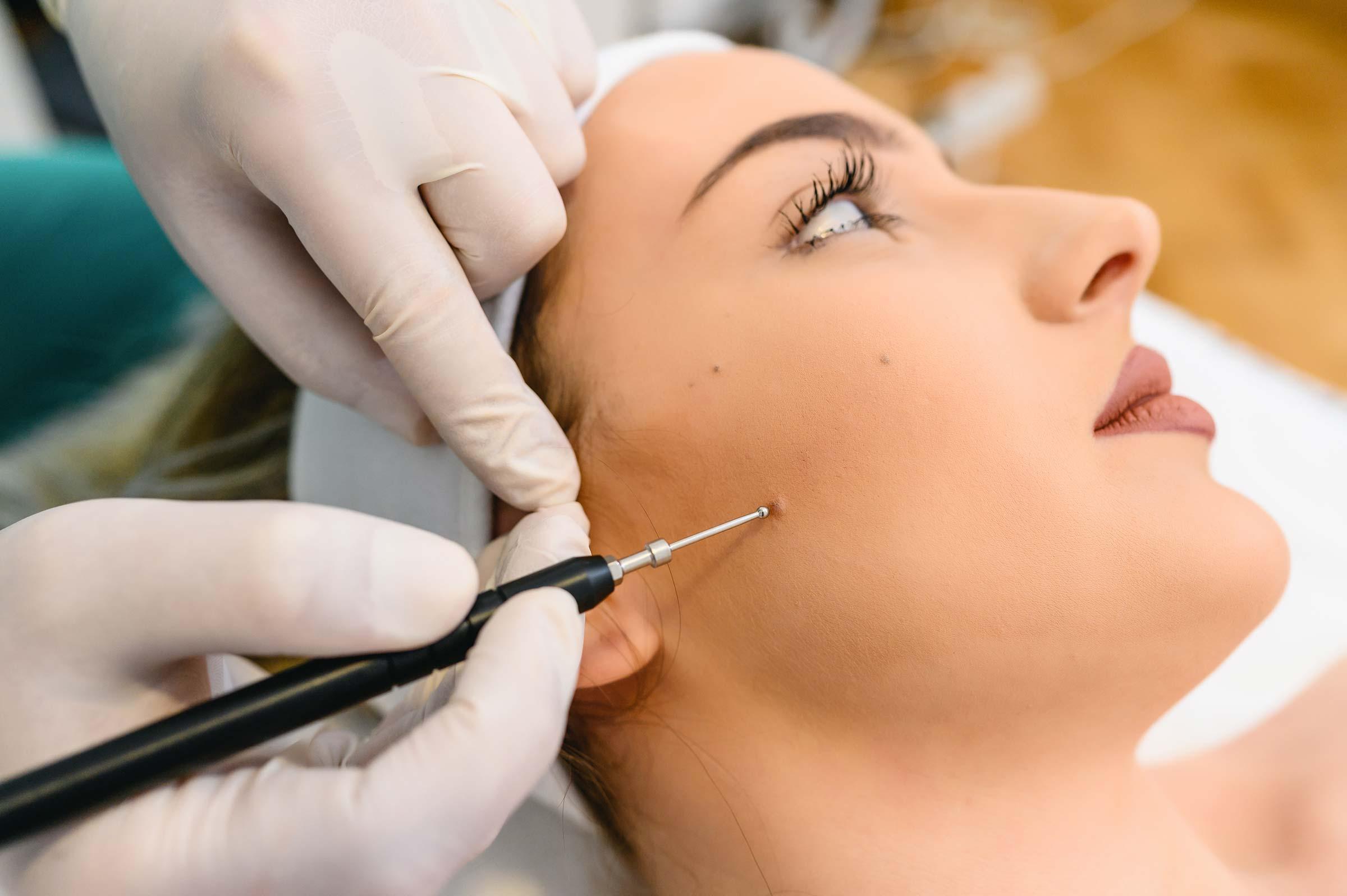
Moles are common features of the skin and can vary considerably in their size, shape, colour and location. Some may have been present since childhood, while others can develop later in life. Although many moles are harmless, understanding their individual characteristics is an important part of deciding whether a mole is suitable for removal and which treatment approach may be appropriate.
For people considering Mole Removal in London, the process generally begins with a professional assessment rather than immediately moving to treatment. During the consultation, the clinician can examine the mole and consider its appearance, position and other relevant characteristics. This provides an opportunity to understand the patient's concerns and determine the appropriate next steps.
At Bodyvie Clinic, an assessment can help patients understand how their mole is evaluated and what treatment options may be considered. A personalised approach means that the characteristics of each mole are taken into account rather than assuming that every mole should be treated in the same way.
Why Mole Characteristics Need to Be Evaluated
Moles can look very different from one person to another. Even the same person may have several moles that vary in appearance.
Some may be flat, while others can project above the surface of the skin. Their colours can range from light brown to darker shades, and their borders may appear clearly defined or less uniform.
Evaluating these characteristics helps the clinician understand what type of mole is being assessed and whether removal is appropriate.
The assessment is also an important opportunity to identify whether a mole requires further medical evaluation before any cosmetic removal is considered.
What Happens During a Mole Assessment?
An initial consultation usually begins with a discussion about the mole and the reason the patient is considering removal.
The clinician may ask when the mole was first noticed and whether it has changed over time. The mole can then be examined closely, taking into account its appearance and location.
The surrounding skin may also be considered to provide a broader understanding of the area.
This assessment helps establish whether the mole is suitable for the proposed treatment and whether any additional evaluation is appropriate before proceeding with Mole Removal Treatment in London.
Evaluating the Mole's Size
Size is one of the characteristics that may be considered during assessment. Moles can range from very small marks to larger lesions that are more prominent.
The clinician may measure or visually assess the mole and consider how its size relates to the surrounding skin.
Size alone does not determine whether a mole should be removed. Instead, it forms part of a wider assessment that considers several characteristics together.
A larger mole may require a different treatment discussion from a smaller one, particularly depending on its location and structure.
Looking at Mole Shape
The shape of a mole can provide useful information during a clinical assessment.
A clinician may consider whether the mole appears relatively symmetrical or has an irregular shape. The overall outline and structure can be evaluated alongside other characteristics such as colour and border definition.
The purpose of examining shape is not to make a decision based on one feature alone. Instead, it contributes to an overall assessment of the mole.
Patients considering Mole Removal in London can discuss any concerns they have about the shape of a mole during their consultation.
Assessing the Mole's Colour
Moles can have different shades and may appear light, medium or dark. Some may contain more than one colour.
During assessment, the clinician can examine the colour of the mole and consider whether it is relatively uniform or shows variation.
Changes in colour can also be relevant. Patients may be asked whether they have noticed any difference in the mole's appearance since it was first observed.
Colour is therefore considered alongside other characteristics rather than being assessed in isolation.
Examining the Mole's Borders
The edges or borders of a mole can also be evaluated.
Some moles have a clearly defined boundary between the mole and surrounding skin, while others may have less distinct or irregular edges.
During a consultation, the clinician can examine the border and consider it together with the mole's size, shape and colour.
This broader assessment helps provide a more complete picture of the mole before a treatment plan is considered.
Considering Whether the Mole Is Flat or Raised
The physical structure of a mole is another characteristic that can influence treatment planning.
Some moles sit relatively flat against the skin, while others are raised or have a more prominent surface.
A clinician may examine the mole to understand how it is positioned within or above the surrounding skin.
This information can help determine which removal approach may be appropriate if treatment is recommended.
The distinction between flat and raised moles is particularly relevant because different types of lesions can require different considerations during treatment planning.
Evaluating the Mole's Location
Where a mole is located on the body can also influence the assessment.
Moles may appear on the face, neck, chest, back, arms, legs or other areas. Some locations are more visible than others, while certain areas may experience more friction from clothing or movement.
During consultation, the clinician can consider the mole's position and its relationship to nearby skin.
For facial moles, patients may be particularly interested in discussing the cosmetic appearance of the area. For moles located elsewhere, the patient's reasons for removal may be different.
Understanding the location helps make the treatment discussion more specific to the individual.
Looking at Changes Over Time
One of the most useful pieces of information during a mole assessment is its history.
The clinician may ask whether the mole has changed in size, shape, colour or general appearance. Patients may also be asked when they first noticed it and whether it has become more prominent.
A mole that has remained unchanged for many years may present differently from one that has recently changed.
This history can therefore form an important part of the consultation and help determine whether additional assessment is needed before removal.
Understanding the Patient's Reason for Mole Removal
Not every patient seeks mole removal for the same reason.
Some people may dislike the appearance of a mole, particularly if it is located on the face or another visible area. Others may find that a raised mole catches on clothing, jewellery or other items.
Some patients may simply want professional advice about a mole they have had for many years.
During the consultation, discussing the patient's motivation allows the clinician to understand what the patient hopes to achieve.
This information can then be considered alongside the clinical assessment when discussing Mole Removal Treatment in London.
Evaluating Moles on the Face
Facial moles often receive particular attention because they are visible and may affect a person's perception of their appearance.
When assessing a facial mole, the clinician can consider its size, shape, colour, elevation and position relative to surrounding facial features.
The patient's cosmetic concerns can also be discussed. For example, a patient may be interested in removing a mole because it has become a prominent feature or affects their confidence.
The consultation can help determine whether the mole is suitable for removal and which treatment approach may be appropriate.
Assessing Moles on the Body
Moles on the body can also be evaluated according to their individual characteristics.
A mole on the back may have different practical considerations from one on the neck or arm. Clothing, friction and visibility can all influence why a patient may want a mole assessed.
The clinician can consider the mole itself as well as the surrounding area.
This allows the treatment discussion to be based on the individual lesion and its location rather than using the same approach for every mole.
Why Surrounding Skin Is Also Considered
The assessment does not necessarily focus only on the mole itself. The surrounding skin can also provide useful context.
The clinician may examine the area around the mole to understand its relationship with nearby skin and identify any additional features that may be relevant.
This broader view can help ensure that treatment planning considers the entire area rather than concentrating exclusively on the central lesion.
When Further Assessment May Be Recommended
In some cases, a clinician may determine that a mole requires further medical evaluation before removal is considered.
This can happen when the appearance or history of the mole means that additional assessment is appropriate.
The priority is to establish what is being treated before proceeding with a cosmetic removal approach.
During consultation, the clinician can explain whether further evaluation is recommended and what the next step involves.
This is an important part of responsible Mole Removal in London, as treatment planning should be based on an appropriate assessment of the mole.
How Previous Treatments Can Be Relevant
Patients should also discuss any previous treatment involving the mole or surrounding skin.
Information about previous procedures can help the clinician understand the current appearance and history of the area.
If a mole has previously been examined or treated, sharing relevant information can help provide a clearer picture during the consultation.
This allows the practitioner to consider the mole's history when discussing possible treatment options.
How Treatment Options Are Discussed
Once the mole has been assessed, the clinician can explain which treatment options may be appropriate.
The choice can depend on factors such as the mole's size, structure, location and overall characteristics.
The patient can ask questions about the recommended approach and understand why it has been selected for their particular mole.
A personalised consultation helps ensure that treatment planning is based on the characteristics of the individual lesion rather than a standard procedure applied to every patient.
Why Professional Evaluation Is Important
Although many moles are harmless, it is important to have an appropriate assessment before deciding to remove one.
A professional evaluation provides an opportunity to examine the mole carefully and establish whether removal is appropriate.
This is particularly important when a mole has changed or has characteristics that require closer consideration.
For anyone considering Mole Removal in London, an initial consultation provides the foundation for informed treatment planning.
Choosing a Mole Removal Clinic in London
When choosing a clinic, patients may wish to consider whether professional assessment forms part of the treatment process.
A Mole Removal Clinic London can provide an environment where the mole is examined before treatment is planned. This allows the patient to discuss their concerns, understand the assessment and learn about suitable treatment options.
At Bodyvie Clinic, patients can discuss their mole concerns during a consultation and receive information about the appropriate next steps based on the individual characteristics of the mole.
What Patients Can Expect From the Consultation
A mole consultation is primarily an assessment and discussion. The clinician can examine the mole, ask questions about its history and understand why the patient wants it removed.
The assessment may include consideration of size, shape, colour, borders, elevation, location and changes over time.
After this evaluation, the clinician can explain whether removal is appropriate and discuss the available treatment approach.
Patients can also use the consultation to ask questions and explain their preferred aesthetic outcome.
Conclusion
Different moles can have very different characteristics, which is why individual assessment is an important part of planning Mole Removal in London. Clinicians may consider the mole's size, shape, colour, borders, elevation, location and history before determining the appropriate next steps.
The assessment also takes the patient's concerns and treatment goals into account. If additional medical evaluation is appropriate, this can be discussed before cosmetic removal is considered.
At Bodyvie Clinic, a personalised consultation allows patients to understand how their mole is assessed and which treatment options may be suitable. This approach helps ensure that Mole Removal Treatment in London is planned according to the individual characteristics of the mole and the patient's needs.
FAQs
What characteristics are evaluated during a mole assessment?
A clinician may evaluate the mole's size, shape, colour, borders, elevation, location and history. These characteristics are considered together rather than individually.
Why is the size of a mole assessed?
Size is one part of understanding the mole's overall characteristics. It can help the clinician determine which treatment considerations may be relevant.
Does the colour of a mole affect its assessment?
Yes. The clinician may examine whether the colour is uniform or varies across the mole and may ask whether its colour has changed over time.
Why are mole borders examined?
The border provides information about the appearance and structure of the mole. It is considered alongside other characteristics during the assessment.
Does it matter whether a mole is flat or raised?
Yes. The structure of a mole can influence how it is assessed and which removal approach may be considered.
Can a facial mole be removed?
A facial mole can be assessed for potential removal. The clinician will consider its characteristics, location and the patient's aesthetic concerns before discussing suitable treatment.
What if my mole has changed over time?
Tell the clinician about any changes in size, shape, colour or appearance. The mole can then be assessed and further evaluation can be discussed if appropriate.
Do I need a consultation before mole removal?
Yes. An assessment helps establish the characteristics of the mole and whether removal is appropriate before treatment is planned.
Can several moles be assessed during one consultation?
Multiple moles can be discussed during an appointment. Each mole can be evaluated according to its individual appearance, characteristics and location.
Where can I discuss mole removal in London?
You can discuss your concerns with a professional at a Mole Removal Clinic London, where the mole can be assessed and appropriate treatment options explained.

