English
 Arabic
 French
 Spanish
 Portuguese
 Deutsch
 Turkish
 Dutch
Dutch
 Italiano
 Russian
 Romaian
 Portuguese (Brazil)
 Greek
Greek
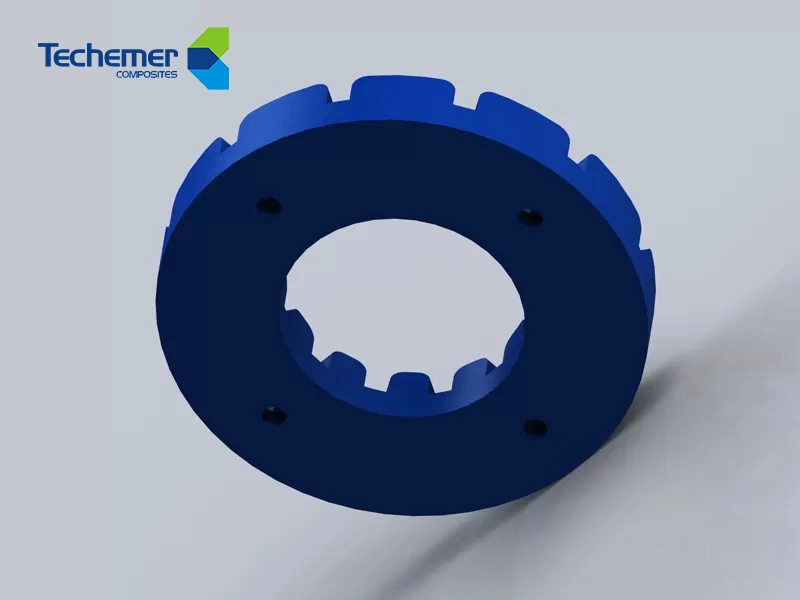
A pump bearing sits where nobody can easily reach it, so owners need confidence from the day it is installed. That confidence comes from two things: a quality system that ensures each bearing is made correctly, and design features that help it survive demanding moments such as start-up. Techemer combines quality management aligned with ISO 9001 with attention to dry-start capability, aiming to deliver bearings that are consistent, traceable, and prepared for real operating conditions. Together with durable polymer materials, these elements support the extended service life that plant operators expect from deep vertical machines.
What ISO 9001 Means for Buyers
ISO 9001 is an international standard for quality management. It does not promise a flawless product, but it requires a company to define its processes, document them, measure results, and improve continuously. For a bearing manufacturer, that can include controlled incoming materials, specified inspection points, calibrated instruments, handling of nonconforming parts, and response to customer feedback. Buyers can ask to see certificates and understand their scope. Working within such a system makes errors easier to catch and lessons easier to retain, which is valuable when the product will run unattended inside a pump for years.
Controlling Materials and Manufacturing
Quality begins long before final inspection. Techemer checks the polymer materials it uses and controls manufacturing conditions so properties remain consistent. Dimensions, surface finish, and tolerances are measured against specifications, because even small deviations can change clearances and affect performance. Batch records support traceability, allowing questions about a particular bearing to be answered with real documentation. This traceability supports commissioning, audits, and later spare orders, and gives reassurance that the bearing in the box matches the one approved during design review, even if it is ordered again several years later.
Understanding Dry-Start Capability
Water-lubricated bearings rely on a film of water to separate shaft and bearing. When a pump starts, especially after standing idle, that film is not yet fully formed, and brief contact can occur. Dry-start capability refers to a bearing's ability to tolerate such moments without damage, thanks to low-friction material properties and careful design. It does not mean a bearing should run dry for long periods, which no water-lubricated design is meant to do. It means that the start-up phase, which is unavoidable in real plants, is handled safely. This is particularly valuable in standby and frequently starting pumps.
How Material Design Supports Starting
Low friction at the moment of contact reduces heat and wear during starts. Techemer's polymer formulations are developed with this in mind, balancing hardness and lubricity so the surface can handle brief boundary contact. Geometry also plays a role, with grooves and surface features that help water enter the contact zone quickly as the shaft begins to turn. When assessing vertical shaft bearings, ask suppliers how their designs behave during start-up, and whether any procedures such as pre-wetting are recommended. Treating start behavior as an engineering priority protects the bearing and the shaft.
Extending Service Life in Practice
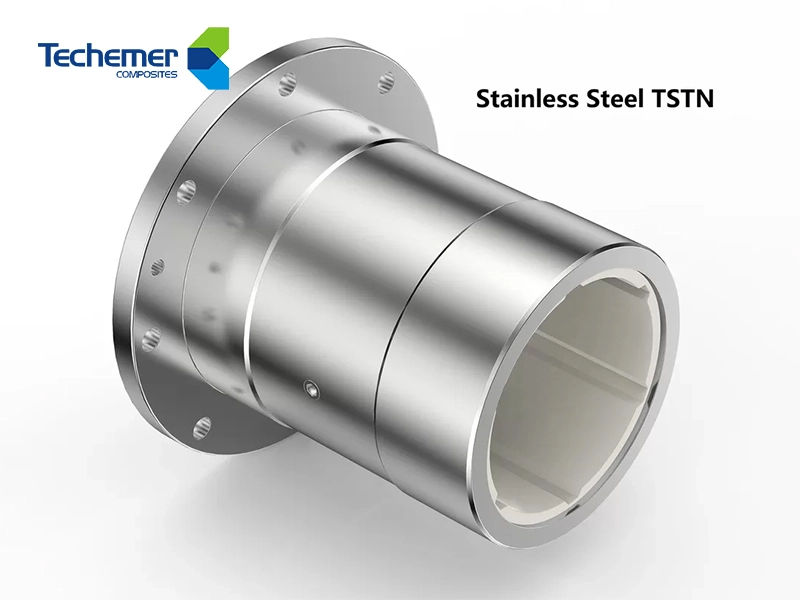
Long life results from many small decisions. Correct installation, proper alignment, clean housings, and an adequate water supply all matter. Operators should monitor vibration and clearance, and keep records so trends are visible early. Choosing a bearing material suited to the liquid and solids content prevents premature wear. Techemer provides guidance on these practices, since even a well-made bearing performs poorly if installed carelessly. When quality manufacturing, thoughtful design, and good operating habits work together, polymer bearings can deliver the quiet, long-lasting service that plant managers hope for when they specify them.
Why Quality and Start Capability Go Together
A well-made bearing with good start-up behavior reduces the chance of early wear, unplanned outages, and shaft damage. Quality systems ensure that the design intent is faithfully reproduced in every unit, while thoughtful material and geometry choices help it survive demanding moments. Buyers should request both kinds of evidence: certificates and process descriptions, and test or field data on start-up behavior. Techemer welcomes these questions and aims to answer them honestly. When controlled manufacturing and practical engineering meet, plant operators gain a bearing they can trust to perform for many years.