 English
 Arabic
 French
 Spanish
 Portuguese
 Deutsch
 Turkish
 Dutch
 Italiano
 Russian
 Romaian
 Portuguese (Brazil)
 Greek
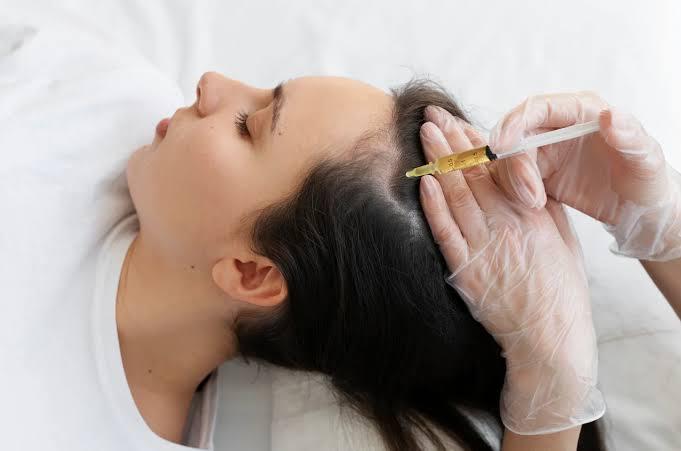
Hair thinning and hair loss can affect scalp coverage, hair density, and confidence. Understanding the factors behind these changes is an important first step toward choosing an appropriate hair restoration approach. Regenerative treatments have attracted interest for their potential role in supporting scalp health and follicular function. Stem Cell Therapy for Hair in Dubai is one option individuals may wish to explore when learning about emerging approaches to hair restoration.
At Biolite clinic dubai, understanding hair loss begins with considering the individual's scalp condition, medical history, and restoration goals. A professional assessment can help determine the likely causes of thinning and whether a regenerative treatment is appropriate. It is also important to understand that evidence for stem cell-based hair treatments varies, and their effectiveness cannot be guaranteed.
Understanding Hair Follicle Recovery
Hair follicles are small structures within the skin responsible for producing hair. Their growth cycles include active growth, transition, and resting phases. Changes in these cycles can contribute to increased shedding, reduced density, or gradual thinning.
Several factors can influence follicular health, including genetics, hormonal changes, nutritional deficiencies, stress, certain medications, and underlying medical conditions. Identifying the cause is essential because different forms of hair loss require different management strategies.
Follicle recovery refers broadly to approaches intended to improve the environment supporting hair growth or preserve existing hair. Treatment outcomes depend on the underlying condition, the degree of follicular damage, and the suitability of the selected intervention.
What Is Stem Cell Therapy for Hair in Dubai?
Stem Cell Therapy for Hair in Dubai refers to treatments marketed around the potential regenerative properties of cells or cell-derived materials to support hair restoration. The specific procedures described under this term can differ considerably, so patients should establish exactly what a proposed treatment involves.
Stem cells are studied for their ability to develop into certain cell types and release biological signals involved in tissue maintenance and repair. Researchers are investigating whether these mechanisms could help influence the scalp environment and processes associated with hair follicle activity.
However, stem cell-based hair restoration remains an evolving field. Not every treatment marketed as stem cell therapy contains stem cells, and evidence from laboratory studies or early clinical investigations does not establish that a procedure reliably regrows hair in routine clinical practice.
Patients should ask about the treatment method, the source and nature of the material used, regulatory status, available clinical evidence, and known risks before proceeding.
How Regenerative Approaches May Support Scalp Health
Regenerative medicine investigates ways to support the body's natural repair processes. In hair research, scientists are studying cellular signalling, tissue interactions, and biological factors that influence the hair growth cycle.
Some experimental approaches aim to influence the scalp environment or support the activity of existing follicles. Their potential effects may depend on the condition of the follicles and the biological characteristics of the treatment.
It is important to distinguish potential mechanisms from proven clinical outcomes. Claims that a regenerative procedure can reactivate every inactive follicle or permanently reverse hair loss are not supported by sufficient evidence. A qualified medical professional can explain what is currently known and which established alternatives may be appropriate.
Identifying the Cause of Hair Thinning
An accurate assessment is essential before selecting any hair restoration treatment. Pattern hair loss, temporary shedding, inflammatory scalp conditions, and nutritional deficiencies can produce similar symptoms but may require different management approaches.
A consultation may include reviewing the pattern and duration of hair loss, family history, medications, recent illnesses, and scalp symptoms. A scalp examination can help identify visible changes, while laboratory testing may be appropriate when a deficiency or underlying medical condition is suspected.
At Biolite clinic dubai, discussing these factors can help individuals understand their treatment options and the importance of addressing underlying causes rather than focusing only on visible thinning.
Who May Consider Regenerative Hair Treatments?
Individuals experiencing reduced hair density may be interested in regenerative approaches, but suitability depends on the specific procedure and the cause of their hair loss. A medical assessment should determine whether the proposed treatment has relevant evidence for the individual's condition.
People experiencing sudden hair loss, patchy bald areas, scalp pain, redness, or significant irritation should seek medical evaluation before considering cosmetic or regenerative procedures. These symptoms may indicate a condition that requires specific treatment.
Patients should also discuss existing medical conditions, medications, allergies, and previous hair restoration procedures. Understanding these factors helps support safer decision-making and realistic expectations.
Treatment Expectations and Possible Limitations
Hair restoration is a gradual process, and no single intervention is appropriate for every individual. Results may vary according to the diagnosis, treatment method, stage of hair loss, and individual response.
Stem cell-based and other regenerative hair treatments may have uncertain benefits, and long-term effectiveness is not established for many marketed procedures. Patients should be cautious about guaranteed regrowth, permanent results, or claims that a treatment works for all forms of hair loss.
Before treatment, it is reasonable to request clear information about expected outcomes, the number of sessions proposed, total costs, potential complications, and available alternatives. Patients should also understand whether the treatment is experimental or supported by robust clinical evidence.
Supporting Long-Term Hair Health
Maintaining hair health involves more than choosing a procedure. Appropriate nutrition, gentle scalp care, and management of diagnosed medical conditions can all play a role in an overall hair care plan.
When clinically appropriate, established treatments for specific types of hair loss may offer better-supported options than experimental regenerative procedures. These can be discussed with a qualified healthcare professional according to the individual's diagnosis, medical history, and preferences.
Regular monitoring can help assess changes in shedding and density over time. If a treatment is not producing the expected benefit, reassessment may be necessary rather than continuing an ineffective approach indefinitely.
Why Personalized Assessment Matters at Biolite Clinic Dubai
Personalized assessment helps ensure that treatment decisions reflect the individual's condition rather than general claims about hair restoration. Understanding the cause of thinning, reviewing available evidence, and discussing realistic goals are important parts of responsible care.
Biolite clinic dubai can be a starting point for individuals seeking information about regenerative hair treatments and available approaches to follicle support. Before making a decision, patients should confirm the exact procedure being offered, the qualifications of the treating professional, the safety measures in place, and the evidence supporting its use.
An informed approach places patient safety and realistic expectations ahead of promises of rapid or guaranteed regrowth.
Frequently Asked Questions
What is stem cell therapy for hair?
It is a broad term used for treatments marketed around cellular or cell-derived regenerative mechanisms for hair restoration. The exact procedure and supporting evidence can vary, so patients should clarify what a provider offers.
Can stem cell therapy restore damaged hair follicles?
The outcome depends on the underlying condition and the procedure. Reliable evidence is currently insufficient to conclude that stem cell-based treatments can consistently restore damaged follicles or reverse all forms of hair loss.
Is stem cell therapy suitable for everyone experiencing hair loss?
No. Suitability depends on the cause of hair loss, scalp health, medical history, and the evidence supporting the proposed procedure. A medical assessment is recommended before treatment.
Are the results permanent?
Permanent results cannot be guaranteed. Many regenerative hair treatments lack sufficient long-term evidence, and the underlying cause of hair loss may continue to affect untreated follicles.
What should I ask before starting treatment?
Ask about the exact procedure, evidence of effectiveness, practitioner qualifications, regulatory status, potential risks, expected costs, and established alternatives. Make sure you understand the limitations before consenting.
Conclusion
Follicle recovery and regenerative hair restoration are areas of continuing scientific investigation. Although cellular mechanisms may offer future possibilities for supporting hair growth, the effectiveness and safety of many stem cell-based hair treatments remain uncertain.
Stem Cell Therapy for Hair in Dubai can be explored as part of a broader discussion about hair restoration options. Through an informed consultation with Biolite clinic dubai, individuals can learn about their hair loss concerns, evaluate the available evidence, and consider suitable next steps based on their individual needs.


