 English
 Arabic
 French
 Spanish
 Portuguese
 Deutsch
 Turkish
 Dutch
 Italiano
 Russian
 Romaian
 Portuguese (Brazil)
 Greek
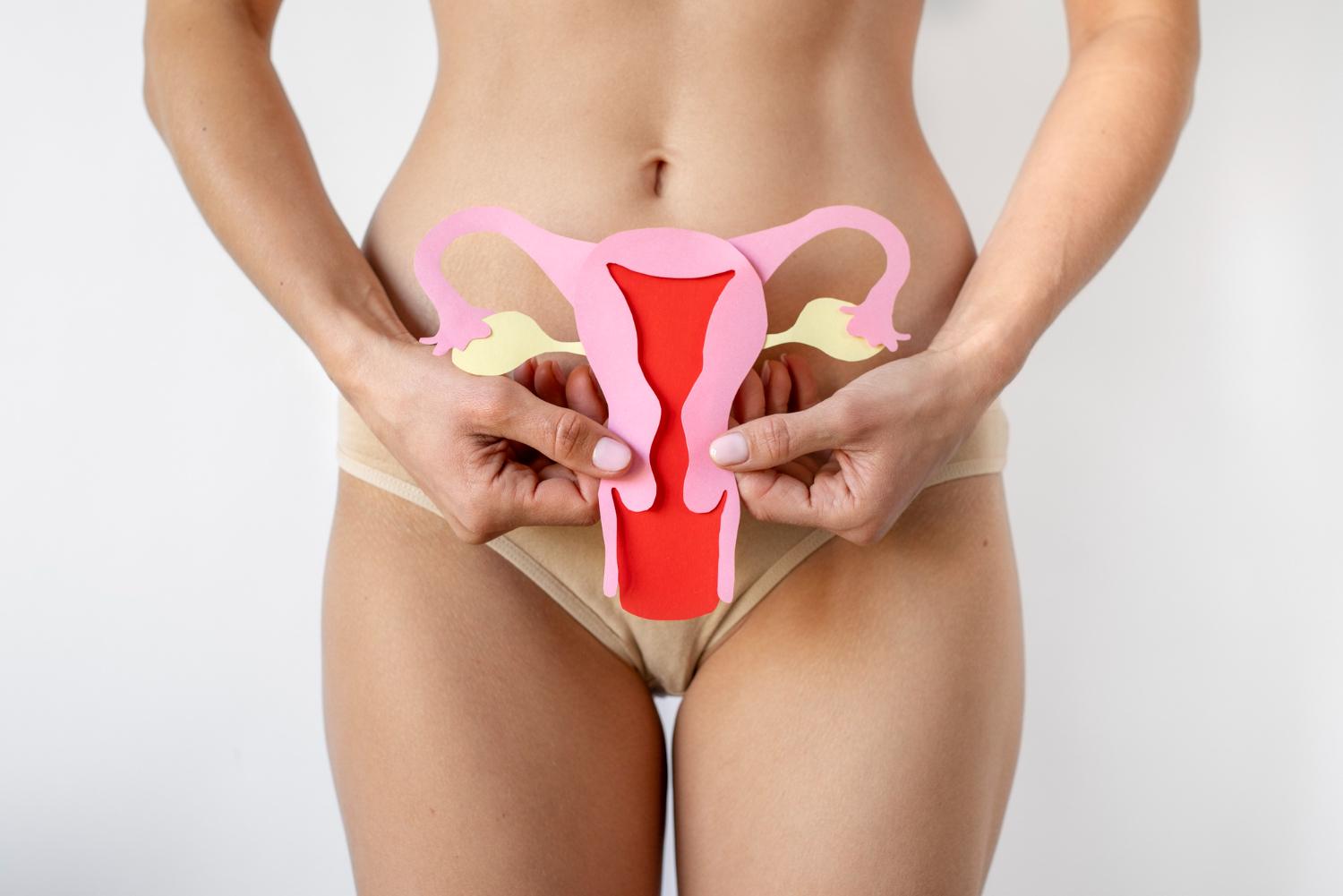
Vaginal health can change because of hormonal fluctuations, ageing, childbirth, and menopause. Some women experience vaginal dryness, irritation, discomfort during intimacy, or changes in intimate tissue health that affect their daily comfort and confidence. For women exploring treatment options, Vaginal PRP Injections in Dubai may be discussed as a minimally invasive procedure that uses platelet-rich plasma prepared from the patient's own blood.
Understanding the treatment is only one part of the process. Proper aftercare, realistic expectations, follow-up appointments, and awareness of potential side effects are equally important. This guide explains what patients may experience after treatment, how to approach recovery, what before-and-after results can mean, and which questions to discuss with Dr. Rashad Haddad before making a decision.
Although PRP is promoted for several intimate health concerns, scientific evidence supporting its effectiveness for vaginal conditions remains limited. Results are not guaranteed, and treatment suitability depends on an individual's symptoms, medical history, and clinical assessment.
Understanding Vaginal PRP Injections in Dubai
Platelet-rich plasma, commonly known as PRP, is prepared by collecting a small blood sample and processing it to concentrate platelets. These platelets contain growth factors involved in the body's natural healing processes. The prepared plasma is then administered to a selected treatment area by a qualified medical professional.
In intimate health treatments, PRP may be offered with the aim of supporting tissue health and addressing selected symptoms. However, it is important to distinguish proposed benefits from outcomes that have been firmly established through high-quality clinical research.
Before undergoing Vaginal PRP Injections in Dubai, patients should receive an appropriate assessment to identify the underlying cause of their concerns. Vaginal dryness, burning, discomfort, and pain during intimacy can have different causes, including hormonal changes, infections, skin conditions, and pelvic floor dysfunction.
A consultation with Dr. Rashad Haddad can be an opportunity to discuss symptoms, relevant medical history, available alternatives, expected recovery, and whether the proposed procedure is appropriate. Patients should also ask about the evidence supporting treatment for their particular condition.
What to Expect Immediately After Vaginal PRP Treatment
The initial recovery period can vary according to the injection technique, treatment area, individual sensitivity, and the patient's overall health. Some patients may experience temporary tenderness, mild swelling, spotting, or irritation around the treated area.
These symptoms should be discussed with the treating clinician so the patient understands what is expected and what may require medical attention.
During the first day, patients should prioritise comfort and follow the specific instructions provided by their healthcare professional. Avoid unnecessary irritation of the treated area, use only recommended products, and do not introduce vaginal creams or medications unless advised.
It is also sensible to arrange a way to contact the clinic if questions arise after the appointment. Patients should not assume that every symptom is a normal part of recovery simply because the procedure is minimally invasive.
Seek prompt medical assessment for severe or increasing pain, heavy bleeding, fever, unusual or foul-smelling discharge, or difficulty passing urine. These symptoms may indicate a complication or another medical condition that needs evaluation.
Your First Week After Vaginal PRP Injections
The first week is an important time to monitor your symptoms and follow your clinician's instructions. Recovery is not identical for everyone, so a fixed timeline should not replace individual medical advice.
Days One and Two
Rest as needed and avoid activities that cause discomfort. Mild tenderness may occur, but symptoms should not become progressively worse. Wear comfortable clothing and keep the area clean according to the instructions provided by your clinician.
Avoid applying fragranced products or unapproved treatments to sensitive intimate tissue. If you have questions about washing, bathing, or using prescribed medication, contact the treating clinic rather than relying on general online advice.
Days Three to Five
Some patients may find that initial tenderness begins to settle during this period. Others may need additional time. Improvement in short-term irritation does not necessarily mean that PRP has produced a therapeutic effect.
Continue monitoring symptoms and follow the restrictions recommended for your particular procedure. Do not increase exercise intensity or resume intimate activities solely because you feel better.
Days Six and Seven
Review how you feel and note any changes in your original symptoms. If discomfort persists, becomes more pronounced, or interferes with normal activities, contact your healthcare professional.
The length of any restrictions on sexual activity, swimming, strenuous exercise, or use of tampons should be determined by the clinician performing the procedure. There is no single recovery schedule appropriate for every patient.
Post-Treatment Care for Better Recovery
Aftercare helps patients avoid unnecessary irritation and recognise potential complications early. However, following instructions cannot guarantee a successful treatment outcome.
Consider these general principles:
- Follow personalised instructions: Use the recovery plan provided by your treating clinician rather than applying advice intended for another procedure.
- Maintain gentle hygiene: Clean the external intimate area as instructed and avoid harsh soaps, douches, or fragranced products.
- Avoid unapproved products: Do not use vaginal supplements, creams, or medications without checking whether they are appropriate.
- Resume activities gradually: Follow medical guidance regarding exercise, sexual activity, and other activities that may irritate the treated area.
- Attend follow-up appointments: These visits allow your clinician to review recovery and assess whether additional investigation or treatment is necessary.
- Report unusual symptoms: Promptly discuss increasing pain, fever, significant bleeding, or unusual discharge with a medical professional.
Patients taking anticoagulants or other medications should not stop or change them without medical advice. Always disclose your medications, allergies, relevant medical conditions, and previous treatments before undergoing an injection procedure.
Before and After Results of Vaginal PRP Injections
Before-and-after results are an important consideration for anyone researching intimate health procedures. However, photographs alone may not demonstrate changes in vaginal symptoms, tissue function, comfort, or quality of life.
Before treatment, a patient may report symptoms such as dryness, irritation, or discomfort during intimacy. These symptoms should be assessed to establish their cause and identify treatments supported by evidence for that condition.
After treatment, possible outcomes should be discussed carefully. Some early research has reported improvements in selected symptoms among particular patient groups receiving PRP, but the available evidence is not sufficient to guarantee comparable results for every patient. Larger, well-designed studies are needed to establish effectiveness, appropriate treatment protocols, and long-term safety.
A responsible before-and-after assessment should therefore focus on measurable, relevant outcomes rather than promises of dramatic or permanent change.
Patients can consider keeping a record of their symptoms before treatment and during follow-up. For example, they may document the frequency of dryness, the severity of discomfort, and how symptoms affect everyday activities. This information can help a clinician assess progress more meaningfully.
Any photographs used for clinical documentation should be taken with informed consent, stored securely, and compared under appropriate conditions. Patients should ask whether displayed examples represent typical outcomes and whether the images are genuine, relevant to the proposed procedure, and accompanied by adequate follow-up information.
Most importantly, the absence of visible changes does not necessarily reflect how a person feels, and a perceived improvement does not prove that PRP caused the change. A comprehensive assessment should consider symptoms, examination findings, other treatments, and the patient's overall health.
Who May Consider Vaginal PRP Treatment?
PRP may be discussed by patients seeking information about minimally invasive approaches to selected intimate health concerns. Nevertheless, the treatment should not be considered suitable for everyone or a replacement for diagnosing the cause of symptoms.
A clinician may need to assess whether the patient has vaginal atrophy, an infection, a dermatological condition, pelvic floor dysfunction, or another issue that requires a different approach.
Patients with unexplained bleeding, active infection, significant inflammation, a history of relevant medical conditions, or concerns about pregnancy should discuss these circumstances before considering treatment. The clinician should determine whether additional tests, specialist evaluation, or an alternative treatment is more appropriate.
For menopausal vaginal dryness, for example, established options may include vaginal moisturisers, lubricants, or prescription treatments when clinically appropriate. Pelvic floor physiotherapy and other interventions may be useful for certain types of discomfort. The correct approach depends on the diagnosis and individual circumstances.
A consultation with Dr. Rashad Haddad should include a discussion of the potential benefits, limitations, risks, and alternatives relevant to the patient's symptoms. Patients should feel comfortable asking questions and declining a procedure if the evidence or proposed benefits are unclear.
Vaginal PRP Injections Cost in Dubai: What Influences the Fee?
The Vaginal PRP Injections Cost in Dubai may vary according to the clinic, consultation requirements, treatment protocol, number of recommended sessions, and follow-up arrangements.
Rather than choosing a procedure based on promotional claims or the lowest advertised fee, patients should understand exactly what the quoted treatment includes. Ask whether the initial consultation, blood collection, PRP preparation, injections, aftercare instructions, and follow-up visits are included or charged separately.
The quoted fee should be explained clearly, excluding VAT where applicable, so patients understand any additional charges before agreeing to treatment. A clinician should also explain whether repeat sessions are being proposed, why they may be considered, and what evidence supports the suggested schedule.
There is no universal treatment plan or guaranteed number of sessions that is appropriate for every patient. The decision should be based on clinical assessment rather than a package designed to promise specific results.
Patients should also ask about the equipment used to prepare PRP, infection-control procedures, the professional performing the injections, and the clinic's arrangements for managing complications. Transparent information and appropriate medical standards are more important than promotional discounts.
Non-Surgical Vaginal PRP Dubai: Understanding the Benefits and Limitations
Non-Surgical Vaginal PRP Dubai refers to approaches that use platelet-rich plasma without conventional surgery. Because PRP is prepared from the patient's own blood, the treatment uses an autologous biological product.
However, using a patient's own blood does not eliminate all risks. Injection procedures may cause pain, bleeding, bruising, swelling, irritation, or infection. Other possible problems depend on the treatment site, injection technique, and individual medical circumstances.
The term non-surgical also does not mean that a procedure is risk-free, painless, or scientifically proven for every advertised purpose. Patients should be cautious about claims that PRP reliably tightens vaginal tissue, restores sexual function, reverses ageing, or produces permanent changes.
The evidence base for vaginal PRP remains developing, and available studies are limited. Patients should request clear explanations of what the treatment is intended to address, how success will be evaluated, and what alternatives have stronger evidence for their specific symptoms.
A carefully informed decision involves weighing the possible benefits against the uncertainties, risks, costs, and inconvenience of treatment. No patient should feel pressured to proceed because of claims about normal changes in the body or expectations created by advertising.
How to Choose the Best Doctor for Vaginal PRP Injections in Dubai
Finding the Best Doctor for vaginal PRP injections in Dubai requires more than reviewing online ratings or promotional photographs. Patients should look for an appropriately licensed medical professional whose training and experience are relevant to the procedure and the condition being treated.
During a consultation with Dr. Rashad Haddad, patients can ask about the proposed treatment method, the evidence supporting its use, possible complications, and the expected follow-up process. They should also confirm the clinician's relevant credentials and whether the procedure will take place in an appropriately equipped clinical setting.
Useful questions include:
- What condition is the procedure intended to treat?
- What evidence supports PRP for my particular symptoms?
- What risks and side effects should I understand?
- Are there better-established treatment alternatives?
- How will improvement be measured?
- What happens if symptoms persist or worsen?
- What is included in the total treatment fee, excluding VAT where applicable?
A responsible clinician should provide balanced information and avoid guarantees. They should explain that vaginal symptoms can have several causes and that the most appropriate treatment may differ from one patient to another.
Patients should also understand that professional qualifications, experience, and clinical suitability need to be verified directly. Marketing descriptions alone cannot establish that a doctor is the best choice for an individual patient's needs.
Five Frequently Asked Questions About Vaginal PRP Aftercare
1. How long does recovery take after vaginal PRP injections?
Recovery varies depending on the injection technique and individual response. Temporary tenderness, irritation, or mild swelling may occur. Follow the treating clinician's instructions and seek medical advice if symptoms become severe, worsen, or do not improve as expected.
2. When can I resume sexual activity after vaginal PRP?
The appropriate waiting period depends on the procedure and your recovery. Ask your clinician for specific instructions and wait until the recommended restriction period has passed and any symptoms have settled. Do not resume sexual activity if it causes pain or irritation.
3. Are vaginal PRP injections results permanent?
Permanent results have not been established. The duration and extent of any improvement may vary, and current evidence does not support guaranteeing lasting benefits. Your clinician should explain the uncertainty surrounding outcomes and whether any further treatment is evidence-based.
4. Is vaginal PRP treatment completely safe?
No injection procedure is completely risk-free. Potential complications include pain, bleeding, bruising, irritation, and infection. A medical assessment, appropriate preparation, sterile technique, and clear aftercare instructions are important, but they cannot eliminate every risk.
5. How can I prepare for a follow-up appointment with Dr. Rashad Haddad?
Record your symptoms before and after treatment, note any side effects, and list questions about your recovery. Bring information about medications and relevant medical conditions. Discuss any persistent dryness, pain, bleeding, or other changes so they can be assessed appropriately.
Conclusion
Understanding the recovery process is essential when considering Vaginal PRP Injections in Dubai. Patients should know what symptoms may occur after treatment, how to follow personalised aftercare instructions, when to seek medical attention, and how to assess possible before-and-after changes realistically.
The Vaginal PRP Injections Cost in Dubai should be considered alongside clinical standards, consultation quality, follow-up care, and the evidence supporting the proposed treatment. Although Non-Surgical Vaginal PRP Dubai may appeal to patients exploring alternatives to surgery, its benefits and long-term safety for vaginal concerns remain insufficiently established.
Before choosing the Best Doctor for vaginal PRP injections in Dubai, arrange a thorough consultation with Dr. Rashad Haddad, verify relevant professional credentials, and discuss the potential benefits, limitations, risks, and alternatives. An informed decision should be based on your individual medical needs, realistic expectations, and reliable clinical guidance rather than promises of guaranteed results.




