 English
 Arabic
 French
 Spanish
 Portuguese
 Deutsch
 Turkish
 Dutch
 Italiano
 Russian
 Romaian
 Portuguese (Brazil)
 Greek
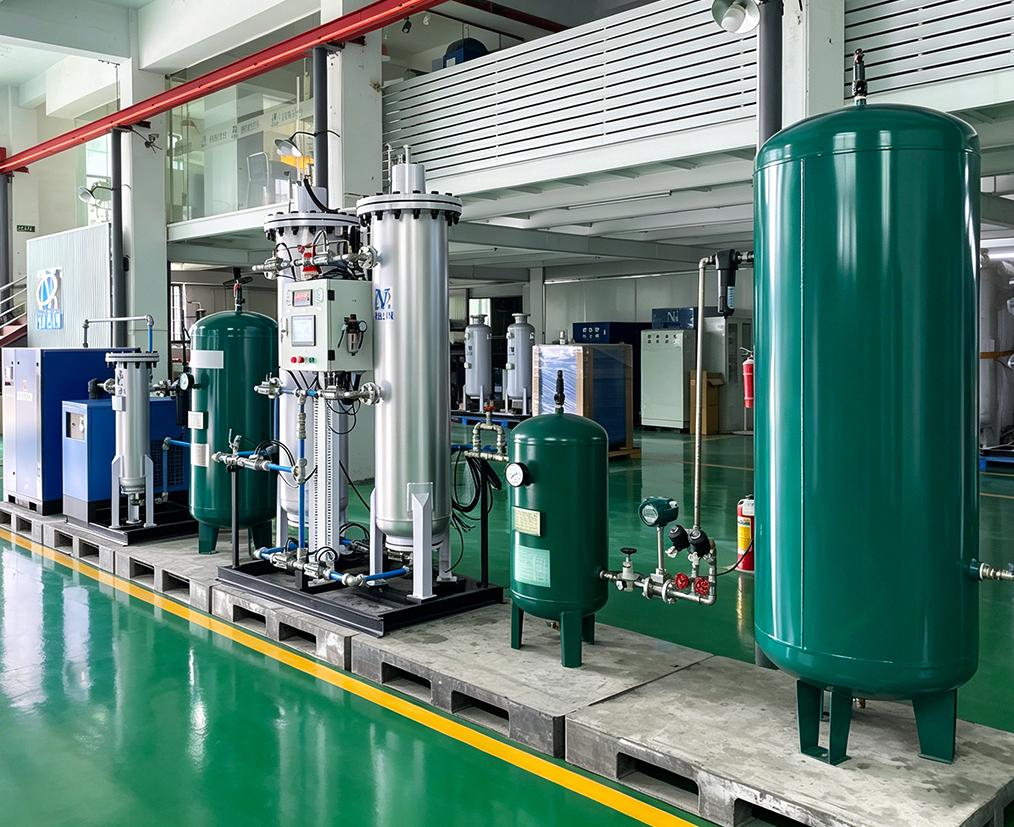
Nitrogen is widely used in industrial operations because it can create an inert atmosphere and help protect products and materials from oxidation. Industries such as metal fabrication, electronics manufacturing, food packaging, and chemical processing often require a dependable nitrogen supply to maintain production quality. Selecting the right industrial nitrogen generator can help businesses meet their gas requirements while improving supply management and supporting efficient operations. Unlock more details about Medical Oxygen Equipment.
The first factor to consider is nitrogen purity. Different applications require different levels of nitrogen purity, depending on the production process and the desired results. For example, laser cutting may require high-purity nitrogen to achieve clean cutting edges and reduce oxidation on certain metals. Food packaging applications also have specific gas quality requirements. Businesses should identify the purity level recommended for their equipment and application before selecting a generator.
Production capacity is another important consideration. A nitrogen generator must provide enough gas to support daily operations and periods of peak demand. Companies should calculate their average consumption, maximum flow requirements, and expected future production needs. Choosing an appropriately sized system can help maintain a consistent gas supply without unnecessary equipment costs or excessive energy consumption.
Technology selection also affects system performance. Pressure Swing Adsorption (PSA) generators use specialized adsorbent materials to separate nitrogen from compressed air. Membrane nitrogen generators use selective membranes that allow certain gases to pass through more readily than others. Each technology has different operating characteristics, purity capabilities, and maintenance requirements. The most suitable option depends on the application's technical needs and the facility's operating conditions.
Energy efficiency should also be considered when comparing nitrogen generators. Compressed air production is often a significant part of the system's overall energy consumption. Businesses should evaluate the generator's operating requirements, compressor efficiency, pressure settings, and expected annual usage. A system that matches actual demand can help avoid unnecessary energy consumption and support better long-term cost management.
Installation requirements are equally important. Companies should assess the available space, electrical infrastructure, ventilation, compressed air quality, and connection points for the nitrogen distribution system. Proper air filtration and moisture removal can help protect the equipment and support reliable operation. Depending on the application, additional storage capacity may be useful for managing temporary increases in nitrogen demand.
Maintenance and technical support should not be overlooked. Regular inspections, filter replacement, and servicing according to the manufacturer's recommendations can help maintain performance. Businesses should also check the availability of spare parts and understand the support provided by the equipment supplier.
Huilin Gas supplies nitrogen generators for industrial applications, including laser cutting and food-grade processes. Businesses can review the available equipment specifications and compare them with their purity, capacity, and operating requirements.
By considering these factors before purchasing, industrial facilities can select a nitrogen generation system that supports reliable gas availability, efficient production, and long-term operational planning.

