 English
 Arabic
 French
 Spanish
 Portuguese
 Deutsch
 Turkish
 Dutch
 Italiano
 Russian
 Romaian
 Portuguese (Brazil)
 Greek
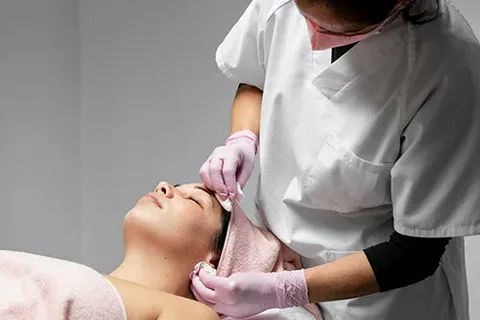
Cosmetic procedures can help people address specific concerns about their appearance and feel more comfortable with their features. Choosing an Aesthetic Surgery Specialist is an important step because every procedure requires careful assessment, proper planning, and realistic expectations. Patients should understand the available options before deciding whether a surgical or non-surgical treatment is suitable for them. A qualified professional can explain the process, discuss potential risks, and recommend an approach based on individual needs.
Understanding Aesthetic Surgery and Cosmetic Care
Aesthetic surgery focuses on improving or changing physical features according to a patient's goals. Some people seek treatment to address visible signs of aging, while others want to improve the appearance of particular areas of the face or body. The right approach depends on the concern being addressed, the patient's overall health, and the expected results. A professional consultation helps establish whether a procedure is appropriate.
Cosmetic care can include both surgical procedures and non-surgical treatments. Surgical options may involve changes to facial or body features, while non-surgical treatments can address concerns such as skin texture, fine lines, or uneven skin tone. Each option has different requirements, recovery periods, and potential complications. Patients should receive clear information about these differences before making a decision.
The Importance of Professional Consultation
A consultation allows patients to discuss their concerns and learn about suitable treatment options. During this appointment, the practitioner should review relevant medical history, current health conditions, previous procedures, and personal expectations. This information helps determine whether a proposed treatment is appropriate. It also provides an opportunity to discuss possible limitations and alternative approaches.
Patients should feel comfortable asking questions during the consultation. They can ask about the professional's qualifications, experience with the proposed procedure, expected recovery time, and follow-up care. Clear answers help patients understand what to expect before proceeding. A responsible professional will not promise perfect results or pressure someone into choosing a treatment.
How an Aesthetic Surgeon Specialist Supports Treatment Planning?
Treatment planning should reflect the needs and circumstances of each patient. An Aesthetic Surgeon Specialist should assess the area being treated and explain which options may be appropriate. The discussion should include realistic outcomes, possible side effects, recovery requirements, and the limitations of each procedure. This process helps patients make informed decisions rather than relying on assumptions or general recommendations.
A personalized plan also considers the patient's preferences and lifestyle. Some procedures require more recovery time than others, which can affect work, family responsibilities, and daily activities. Patients should understand these practical considerations before scheduling treatment. Careful planning can make the overall experience more organized and help establish reasonable expectations.
Common Reasons People Consider Aesthetic Procedures
People explore aesthetic treatments for several reasons. Some want to address changes associated with aging, while others have concerns about facial proportions, skin quality, or particular physical features. Their motivations can differ based on personal preferences and individual circumstances. A professional assessment helps identify whether treatment is likely to address the concern.
Common goals may include improving the appearance of facial features, reducing certain visible signs of aging, or addressing changes in specific areas of the body. However, not every concern requires surgery. In some cases, skincare or a non-surgical treatment may be more suitable. The decision should be based on an informed assessment rather than pressure from advertising or social expectations.
Evaluating Qualifications and Clinical Experience
Before choosing a practitioner, patients should verify their professional qualifications and relevant training. They should also confirm that the practitioner is appropriately licensed or registered for the procedures being offered. Experience with a particular treatment can be an important consideration, especially when the procedure involves surgery. Patients should not rely on promotional claims alone when evaluating a professional.
It is also useful to ask about the clinical setting where treatment will take place. Surgical procedures should be performed in an appropriately equipped facility with suitable safety arrangements. Patients should understand who will provide anesthesia, where the procedure will occur, and what emergency support is available. These questions help clarify the safety measures involved in the treatment process.
Understanding Risks and Recovery Requirements
Every aesthetic procedure carries potential risks. These may include swelling, bruising, discomfort, infection, scarring, or results that differ from expectations. The nature and likelihood of complications vary according to the procedure and the patient's circumstances. A qualified practitioner should explain the relevant risks before obtaining informed consent.
Recovery requirements also differ between treatments. Some non-surgical procedures involve minimal downtime, while surgical procedures may require several weeks of recovery and restrictions on normal activities. Patients should follow the aftercare instructions provided by their clinical team. They should also know which symptoms require prompt medical attention and how to access follow-up support.
Planning recovery in advance can make the process easier to manage. Patients may need time away from work, assistance at home, or transportation after a procedure. They should avoid returning to strenuous activities until their practitioner confirms that it is appropriate. Attending follow-up appointments also helps the clinical team monitor healing and address concerns.
Selecting the Right Cosmetic Treatment
The best treatment is not necessarily the most expensive or the most extensive option. It is the option that appropriately addresses the patient's concern while considering their health, preferences, and risk tolerance. A practitioner should explain the expected benefits of each suitable option without exaggerating what it can achieve. Patients should have enough time to consider the information before making a decision.
It is also important to distinguish between realistic improvements and guaranteed outcomes. Individual healing, existing anatomy, and other factors can influence the final result. Photographs of previous patients may provide useful context, but they cannot guarantee the same outcome for someone else. A balanced discussion helps patients approach treatment with a clear understanding of its possibilities and limitations.
Finding Cosmetic Surgery Services in Lahore
People researching aesthetic treatments in Lahore should compare practitioners based on qualifications, clinical experience, patient communication, and safety standards. Searching online can help identify available services, but patients should verify the information before booking an appointment. Reviews and testimonials can offer additional context, although they should not replace independent checks of professional credentials. A consultation remains an important step in determining whether a practitioner is suitable.
Anyone looking for a Cosmetic Surgeon In Lahore should ask about the specific procedure they are considering and whether the practitioner has appropriate training to perform it. Patients should also discuss treatment costs, potential additional expenses, recovery arrangements, and follow-up appointments. These details can help prevent misunderstandings later in the process. Taking time to compare options supports a more informed and confident decision.
Preparing for an Aesthetic Consultation
Preparation can help patients make better use of their consultation. They should write down their main concerns, list any relevant medical conditions, and prepare information about medications and previous procedures. Bringing questions about treatment options, recovery, and potential complications can also make the discussion more productive. Honest communication is essential because medical history may affect treatment suitability.
Patients should explain their goals clearly without feeling that they need to follow a particular beauty standard. A responsible practitioner should listen carefully and discuss whether those goals are realistic. If a proposed procedure is unsuitable, alternative options or postponing treatment may be appropriate. The priority should remain patient safety, informed consent, and a well-considered decision.
Conclusion
Choosing an aesthetic professional requires careful research, open communication, and a clear understanding of the available options. Patients should prioritize verified qualifications, appropriate clinical facilities, realistic expectations, and proper aftercare when considering treatment. Dr Badie Idris provides aesthetic surgery services for people in DHA Phase 3, Lahore, and surrounding areas. Individuals interested in treatment can arrange a consultation to discuss their concerns, understand suitable options, and learn about the potential benefits and risks before making a decision.


