 English
 Arabic
 French
 Spanish
 Portuguese
 Deutsch
 Turkish
 Dutch
 Italiano
 Russian
 Romaian
 Portuguese (Brazil)
 Greek
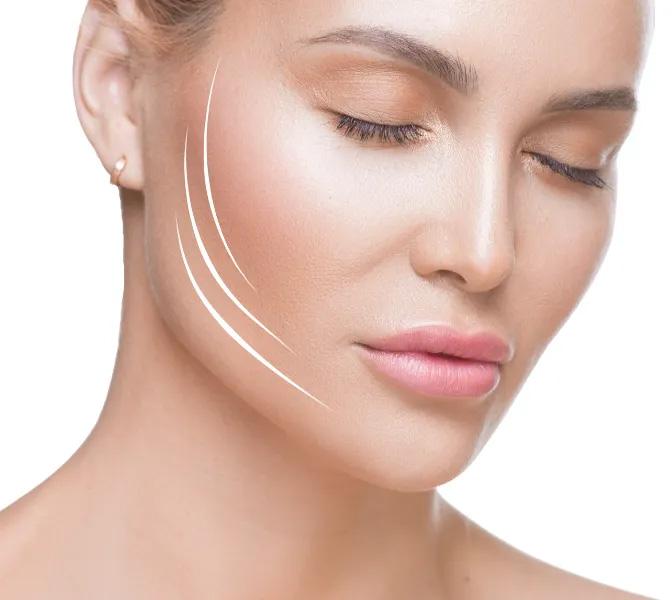
Facial proportions play an important role in how the face looks, from the relationship between the cheeks and jawline to the balance between the chin, lower face, and neck. As people experience changes in skin firmness and facial definition, they may notice that certain areas appear less defined or that their features no longer have the same overall balance. Non-surgical aesthetic treatments can be considered to address selected concerns while maintaining the individual's natural appearance.
Endolift in London is an aesthetic treatment that uses laser energy delivered beneath the skin to support tissue remodelling and improve the appearance of skin firmness. It may also help refine the appearance of selected facial contours, depending on the individual's anatomy, skin quality, and treatment goals. However, achieving a natural-looking outcome involves more than identifying loose skin or a less defined jawline. Careful consideration of individual facial proportions is an important part of treatment planning.
At Bodyvie Clinic, understanding how different facial features relate to one another can help inform a personalised approach to aesthetic care. Rather than treating every face according to the same measurements or beauty ideals, an assessment should consider the individual's existing structure, areas of concern, skin characteristics, and desired outcome.
Understanding Individual Facial Proportions
Facial proportions describe the relationship between different features and areas of the face. These include the forehead, cheeks, nose, lips, chin, jawline, and neck. Although general anatomical principles can help guide an assessment, there is no single ideal facial proportion that suits everyone.
Some people naturally have a longer lower face, while others have broader cheekbones or a more rounded jawline. These characteristics contribute to individual identity and should be considered when discussing aesthetic treatments.
Ageing can also change the way facial proportions appear. Reduced skin elasticity, changes in underlying support, and variations in facial fat distribution may influence the definition of the cheeks, lower face, and jawline. As a result, a person may feel that their face appears heavier around the lower cheeks or that the transition between the chin and neck has become less distinct.
During an assessment for Endolift Skin Tightening London, these changes should be evaluated in context. The objective is not necessarily to alter the person's natural proportions but to determine whether improving skin firmness or refining selected contours could help achieve their preferred appearance.
Why Facial Balance Matters Before Endolift Treatment
Facial balance involves the way different features work together visually. A change in one area can affect how neighbouring areas are perceived, even when those neighbouring areas have not changed significantly.
For example, a less defined jawline may make the lower face appear fuller. Similarly, changes in cheek firmness can influence the visual transition between the midface and lower face. These concerns cannot always be understood by examining one isolated area.
An individual assessment considers the face as a whole before focusing on particular treatment areas. This helps establish whether the main concern relates to skin laxity, the appearance of localised fullness, natural facial structure, or a combination of factors.
Endolift may be considered when the treatment's intended effects align with the person's concerns and anatomy. However, it does not change the underlying bone structure or provide the same degree of correction as every surgical procedure. Understanding these distinctions helps establish realistic expectations before treatment begins.
How the Upper, Middle, and Lower Face Are Assessed
Facial assessment often involves considering different regions individually while examining how they relate to the overall appearance.
The Upper Face
The upper face includes the forehead, temples, and areas around the eyes. These regions contribute to the overall shape and visual balance of the face.
Although Endolift is not intended to address every concern affecting the upper face, examining this region can help provide context for a broader aesthetic assessment. For instance, natural differences in forehead height, temple fullness, and brow position influence how the middle and lower face are perceived.
The practitioner can use this overall perspective to identify the specific areas that are relevant to the person's goals rather than assuming that treatment should be concentrated in one particular region.
The Middle Face
The middle face includes the cheeks and surrounding areas. Its contours influence the transition between the eyes, nose, and lower face.
During an assessment, the practitioner may consider cheek fullness, skin firmness, and the way the cheeks blend into the lower facial region. Some people have naturally prominent cheekbones, while others have softer or rounder contours.
These differences matter because the same degree of skin tightening may produce a different visual effect depending on the existing facial structure. Treatment planning should therefore account for the individual's natural features and avoid pursuing a degree of definition that would look disproportionate to the rest of the face.
The Lower Face and Jawline
The lower face is a common area of interest for people considering Endolift. Concerns may include reduced jawline definition, mild skin laxity around the lower cheeks, or a less distinct transition between the chin and neck.
An assessment considers the shape of the chin, width of the jaw, distribution of soft tissue, and condition of the overlying skin. These features help determine whether the concern is likely to respond to a treatment focused on skin firmness and selected contours.
For example, someone with a naturally narrow jaw may have different aesthetic goals from someone with a broader lower face. The treatment approach should reflect those differences rather than applying a uniform contouring strategy.
The Role of Skin Quality in Facial Proportions
Facial proportions are influenced not only by bone structure and soft-tissue distribution but also by skin quality. Skin that has lost some of its elasticity may appear less firm, affecting the definition of the areas beneath it.
During a consultation, skin quality may be assessed by considering its texture, elasticity, thickness, and degree of laxity. The practitioner may also examine whether the skin changes are concentrated in a particular region or extend across several facial areas.
These observations help determine whether Endolift is an appropriate option for the individual's concerns. Treatment suitability depends on more than age or the presence of visible lines. Two people of the same age may have different skin characteristics and therefore require different recommendations.
It is also important to distinguish between skin laxity and volume-related changes. A treatment designed to improve skin firmness may not address every concern caused by reduced facial volume. Recognising this difference helps prevent unrealistic expectations and supports a more considered treatment plan.
Considering Natural Facial Symmetry
Most faces have some degree of natural asymmetry. One cheek may appear slightly fuller, one side of the jaw may be more defined, or the two sides of the face may differ subtly in shape.
These differences are normal and do not necessarily require correction. Nevertheless, they can influence how a person perceives their facial contours and what they hope to achieve through aesthetic treatment.
An assessment for Endolift in London may include comparing the two sides of the face to understand the location and extent of the person's concerns. The practitioner can then discuss whether treatment is likely to make a meaningful difference and whether the proposed outcome would remain consistent with the individual's natural appearance.
Perfect symmetry should not be assumed to be the goal. Instead, the emphasis should be on understanding the person's priorities and considering whether any proposed change would complement their existing features.
How Lifestyle and Ageing Patterns Influence Treatment Planning
Facial ageing does not follow the same pattern for everyone. Genetics, sun exposure, lifestyle, and individual tissue characteristics can all influence how the face changes over time.
Some people primarily notice reduced firmness around the jawline, while others are more concerned about the lower cheeks or the appearance of the area beneath the chin. The timing and extent of these changes also vary.
A consultation should explore when the person first noticed the concern, whether it has changed gradually, and which areas have the greatest effect on their confidence. Previous aesthetic treatments may also be relevant because they can influence the current appearance and the options that are appropriate.
These details help create a treatment plan based on the individual's present facial characteristics rather than assumptions about what people of a particular age should need.
Setting Realistic Expectations for Endolift
A personalised aesthetic plan should establish what the treatment is intended to achieve and which changes are realistic. Endolift may help improve the appearance of selected areas of skin laxity and facial contouring, but results depend on the person's anatomy, skin condition, and treatment parameters.
It is not a substitute for every surgical lifting procedure, nor can it correct all causes of facial fullness or changes in facial structure. Where concerns relate mainly to bone shape, significant excess skin, or substantial volume changes, another approach may be more appropriate.
During the consultation, the practitioner should explain the anticipated type of improvement, the limitations of treatment, and whether alternative options deserve consideration. This discussion is particularly important for people seeking a highly specific jawline shape or a substantial change in their overall facial proportions.
A successful plan should prioritise a result that fits the individual's features rather than promising an identical outcome for everyone.
What to Expect During an Endolift Consultation at Bodyvie Clinic
At Bodyvie Clinic, a consultation for Endolift Clinic in London treatment should begin with a discussion of the person's concerns and aesthetic goals. Understanding what the individual wants to improve provides a starting point for assessing facial proportions and considering suitable treatment options.
The consultation may include an examination of skin quality, the distribution of soft tissue, the definition of the jawline, and the relationship between the cheeks, chin, and neck. The practitioner can also discuss the individual's medical history and previous aesthetic treatments where relevant to suitability.
Based on these findings, the practitioner can explain whether Endolift is likely to be appropriate and which areas, if any, may benefit from treatment. The proposed approach should reflect the person's anatomy and desired outcome rather than follow a standardised plan.
Patients should feel comfortable asking questions about expected results, the treatment process, and alternative options. Clear communication helps ensure that the treatment plan reflects their priorities and that they understand what the procedure can realistically offer.
Conclusion
Individual facial proportions are an important consideration when planning Endolift because every face has its own structure, contours, and pattern of ageing. The relationship between the cheeks, jawline, chin, and neck can influence how skin laxity appears and which areas may benefit from treatment.
A careful assessment considers the whole face, including natural asymmetry, skin quality, soft-tissue distribution, and the individual's aesthetic goals. This approach helps determine whether Endolift is suitable and supports realistic expectations about the possible results.
For those exploring Endolift Skin Tightening London, a personalised consultation at Bodyvie Clinic can provide an opportunity to discuss facial concerns, understand the treatment's potential benefits and limitations, and consider an approach that respects natural facial characteristics. The aim is to make informed decisions based on individual needs rather than pursuing a one-size-fits-all standard of facial beauty.
Frequently Asked Questions
1. Why are facial proportions important before Endolift treatment?
Facial proportions help the practitioner understand how the cheeks, jawline, chin, and neck relate to one another. This allows treatment suitability and potential areas of improvement to be considered in the context of the whole face.
2. Which facial areas can Endolift address?
Depending on suitability and the treatment plan, Endolift may be considered for selected areas of the lower face, jawline, and beneath the chin. The areas treated depend on individual anatomy, skin characteristics, and the practitioner's assessment.
3. Does Endolift change natural facial structure?
Endolift is intended to work with soft tissues beneath the skin. It does not change the underlying facial bones, and it should not be expected to transform a person's fundamental facial structure.
4. Is Endolift suitable for every face shape?
No. Suitability depends on factors such as skin laxity, tissue characteristics, the location of the concern, and the person's goals. A consultation is needed to establish whether Endolift is appropriate or whether another option may be more suitable.
5. Can Endolift improve jawline definition?
Endolift may help improve the appearance of selected areas of skin laxity and contour definition in suitable candidates. The degree of visible improvement varies, and the treatment cannot guarantee a particular jawline shape.
6. How does skin quality affect Endolift treatment planning?
Skin elasticity, thickness, texture, and the degree of laxity can influence whether the treatment is appropriate and what improvement may be achievable. These characteristics are assessed alongside the person's facial structure and concerns.
7. Can facial asymmetry be considered before Endolift?
Yes. Comparing both sides of the face can help the practitioner understand natural differences in contour and identify the person's priorities. The goal is to develop a suitable plan, not necessarily to create perfect symmetry.
8. How is an individual Endolift treatment plan developed?
The practitioner considers the person's aesthetic goals, facial proportions, skin quality, tissue distribution, and relevant medical history. These findings help determine whether treatment is appropriate, which areas may be considered, and what results are realistic.
9. Will Endolift produce the same results for everyone?
No. Results vary according to individual anatomy, skin condition, treatment parameters, and other personal factors. A consultation can help establish a realistic understanding of the potential outcome.
10. Where can I discuss Endolift treatment in London?
You can arrange a consultation with Bodyvie Clinic to discuss your facial concerns, suitability for Endolift, and the options available for your individual needs. The consultation should provide clear information about the treatment and realistic expectations before you decide how to proceed.

