 English
 Arabic
 French
 Spanish
 Portuguese
 Deutsch
 Turkish
 Dutch
 Italiano
 Russian
 Romaian
 Portuguese (Brazil)
 Greek
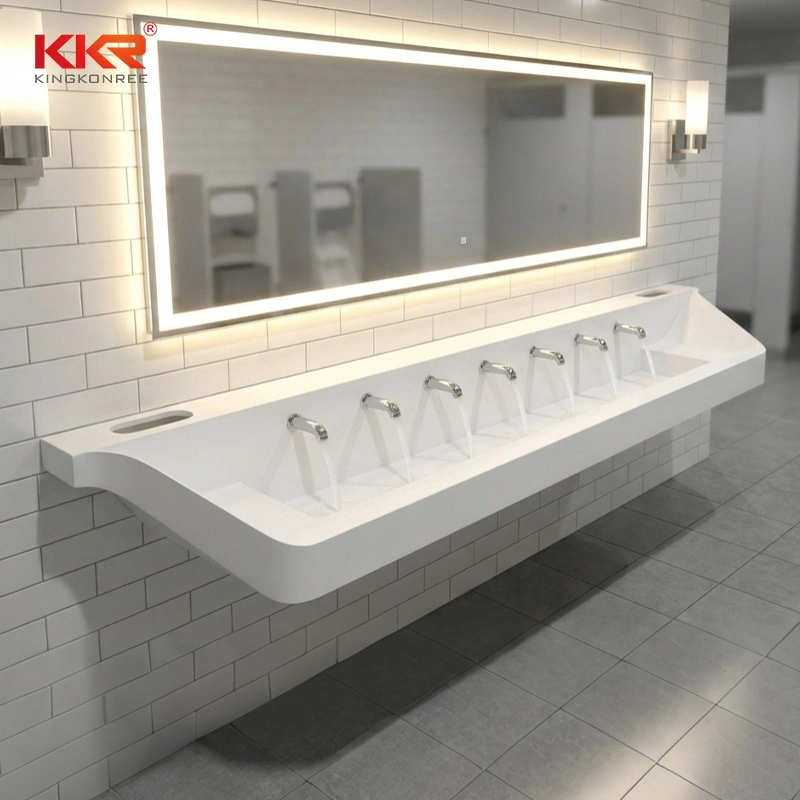
Material choice rarely generates excitement in restroom specification meetings, yet it quietly determines how a fixture performs for the next decade. This is especially true for handicap accessible sinks, where the surface must satisfy hygiene standards, withstand constant cleaning, and remain safe and comfortable for users with varied abilities. Solid surface has emerged as one of the most trusted materials for these demanding applications, and KingKonree has built much of its accessible range around it. This article examines why solid surface suits accessible sink design so well, exploring its hygienic properties, its durability, and the practical advantages it brings to facilities that cannot afford frequent replacements.
Understanding What Solid Surface Actually Is
Solid surface is a manufactured material composed of minerals blended with resin, formed into sheets or molded shapes with a uniform composition throughout. Unlike laminate, which carries a thin decorative layer over a substrate, solid surface is homogeneous, meaning its color and properties run through the full thickness. This characteristic proves crucial in accessible restrooms, where chips and scratches would otherwise expose less hygienic underlying materials. KingKonree uses solid surface to mold seamless basins with gently rounded interiors and integrated edges, eliminating the joints and seams that complicate cleaning on conventional fixtures. The result is a surface that looks refined while functioning as serious sanitary infrastructure.
Hygiene Advantages That Matter in Accessible Facilities
For users with disabilities, hygiene is not an abstract concern. People with compromised immune systems, limited hand function, or catheter bags and other medical devices face elevated infection risks in public restrooms. Solid surface supports them by offering a non-porous, seamless surface that resists bacterial penetration and cleans thoroughly with standard disinfectants. Because basins can be molded without seams, there are no crevices where moisture and grime accumulate. KingKonree's solid surface sinks are designed for facilities where hygiene standards are strict, including healthcare settings, schools, and high-traffic public venues, giving vulnerable users a cleaner surface to rely on.
Durability Under Constant Cleaning and Use
Accessible restrooms in public buildings are cleaned far more often than domestic bathrooms, and the chemicals involved can degrade lesser materials over time. Solid surface resists most common cleaning agents, including the stronger disinfectants used in clinical and institutional settings, without discoloration or surface breakdown. It also tolerates impact better than ceramic, which chips when struck, and unlike stainless steel, it does not dent or show scratches as readily. KingKonree's accessible sinks benefit from these properties, maintaining their appearance and function through years of intensive use. For facility managers, that resilience translates directly into lower replacement costs and fewer interruptions.
Repairability and Long-Term Appearance
One of the lesser-known advantages of solid surface is that it can be repaired. Scratches and minor damage can often be sanded and polished away, restoring the original finish without replacing the fixture. In a busy restroom, this capability extends service life considerably, since cosmetic wear does not force premature replacement. Seamless repairs are also possible where sections meet, preserving the hygienic integrity of the basin. KingKonree's solid surface construction supports this kind of maintenance, allowing facilities to keep accessible sinks in good condition rather than consigning them to early retirement over superficial damage.
Comfort and Safety for Users with Limited Mobility
Accessibility is not only about dimensions; it is also about how a surface feels and behaves. Solid surface is warm to the touch compared with ceramic or metal, which matters for users who may rest their forearms on the basin edge or have reduced circulation in their hands. Its smooth, rounded edges reduce the risk of injury during transfers or wheelchair maneuvering, and the material can be molded into shapes that avoid sharp corners. KingKonree shapes its accessible basins with these human factors in mind, delivering fixtures that are safer and more pleasant to use for people whose bodies are in close contact with the surface.
Design Flexibility for Different Building Types
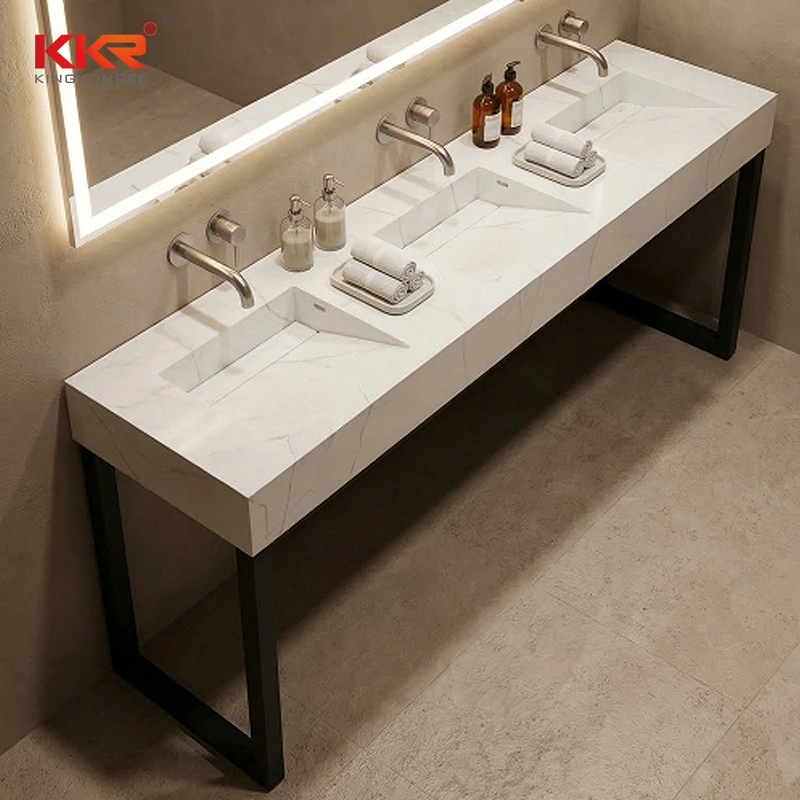
Solid surface can be molded and finished in ways that many materials cannot, giving designers considerable freedom while maintaining accessibility standards. Basins can be produced in varied shapes, with integrated soap decks, subtle color options, and profiles that complement modern interiors. This flexibility allows a single material to serve hospitals, hotels, schools, and offices without looking out of place in any of them. KingKonree's solid surface accessible sinks demonstrate that compliance and design ambition can coexist, letting specifiers meet strict requirements without defaulting to a clinical aesthetic.
Why Solid Surface Suits the KingKonree Approach
KingKonree's accessible sink range relies on solid surface because the material embodies the qualities the company prioritizes: hygiene, durability, safety, and design quality. For facilities serving people with disabilities, these are not marketing terms but daily requirements that shape user experience and operational cost. Choosing solid surface for handicap accessible sinks is therefore a decision that pays dividends across the fixture's lifespan, protecting both the people who use it and the budgets that maintain it. In a market full of shortcuts, the material underneath the finish is often the clearest sign of a manufacturer's real priorities.


