 English
 Arabic
 French
 Spanish
 Portuguese
 Deutsch
 Turkish
 Dutch
 Italiano
 Russian
 Romaian
 Portuguese (Brazil)
 Greek
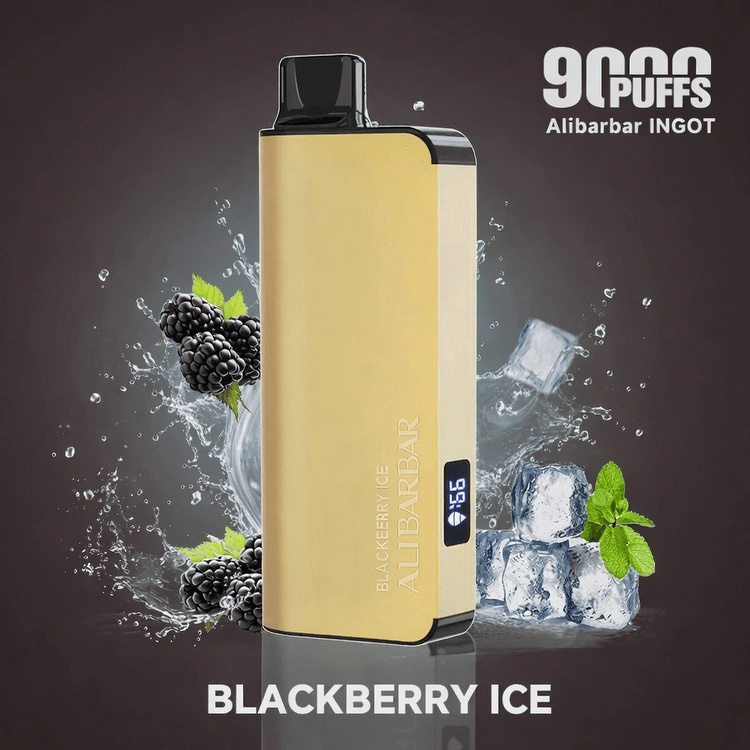
The vaping industry has developed a wide range of products featuring different aromas, flavour combinations, and device technologies. Among the names appearing in discussions about disposable vaping products, Alibarbar flavours represent a topic of interest for people researching how flavour descriptions influence the modern vape market. From fruit-inspired varieties to cooling and dessert-style combinations, the broader industry uses diverse flavour categories to distinguish products and communicate their intended sensory characteristics.
Understanding alibarbar flavours involves more than examining product names. Consumers should also consider ingredient transparency, nicotine content, product authenticity, health implications, and the regulations governing vaping products. These factors provide important context when evaluating electronic nicotine delivery systems and the marketing practices surrounding them.
Understanding Alibarbar Flavours in the Vaping Industry
Vaping products use electronic heating systems to create an aerosol from a liquid formulation. Depending on the product, this liquid may contain nicotine, flavouring substances, propylene glycol, vegetable glycerin, and other ingredients.
Alibarbar flavours are associated with the disposable vape category, where flavour descriptions are commonly used to distinguish individual product variants.
However, exact flavour availability may differ between markets, retailers, and product versions. Consumers should consult verified manufacturer information rather than assuming every advertised variety belongs to an authentic product range.
The broader vaping market commonly organizes flavours into recognizable groups, including fruit, mint, beverage-inspired, and dessert-style profiles.
These categories make it easier to discuss the sensory characteristics manufacturers intend to reproduce, although actual flavour perception varies between individuals.
The Role of Flavour Development in Vape Products
Flavour formulation is a specialized aspect of electronic cigarette manufacturing.
Producers may combine multiple flavouring compounds to create an aroma associated with a particular fruit, beverage, or confectionery product.
A single flavour description does not necessarily indicate that a vaping liquid contains the natural ingredient suggested by its name.
For example, a strawberry-inspired formulation may use synthetic or naturally derived aromatic compounds rather than strawberry juice.
Flavour specialists consider several factors when developing these mixtures, including aroma intensity, chemical stability, and interactions between ingredients.
Importantly, a substance considered suitable for consumption in food is not automatically safe to inhale after heating.
This distinction is central to understanding potential risks associated with flavoured vaping products.
Fruit-Inspired Flavour Categories
Fruit-related descriptions are widespread throughout the vaping industry.
Common examples include strawberry, watermelon, mango, grape, peach, and mixed berry profiles.
These names are intended to communicate familiar aroma characteristics, but they do not provide complete information about chemical composition.
A watermelon-inspired formulation, for instance, may combine several aromatic substances to create a recognizable scent.
Mixed fruit products may use multiple flavour compounds to produce a more complex profile.
When researching Alibarbar flavours, it is important to distinguish between general industry flavour categories and specific varieties confirmed by the manufacturer.
Product descriptions should be checked against authentic packaging and reliable documentation.
Consumers should also remember that fruit-inspired branding does not make an aerosol harmless.
Mint and Cooling Flavour Profiles
Mint-related formulations represent another established category within the vape market.
These products are often described using terms such as mint, menthol, ice, or cooling.
Although these terms may appear similar, they can refer to different sensory effects.
Menthol produces a cooling sensation through its interaction with temperature-sensitive receptors. Other cooling agents may create comparable sensations without having the same mint-like aroma.
A product labelled with an icy fruit description may therefore combine fruit flavouring compounds with cooling additives.
Such descriptions are common across electronic cigarette brands, but the specific ingredients cannot be determined reliably from marketing terminology alone.
Anyone evaluating Alibarbar flavours should recognize that cooling sensations do not establish product purity or reduced health risk.
Beverage-Inspired Flavour Descriptions
Beverage-themed formulations are also present in the wider vaping industry.
These may reference lemonade, cola, energy drinks, tea, or fruit-based beverages.
The objective of such descriptions is generally to communicate a recognizable aroma rather than indicate the presence of an actual beverage.
Producing these profiles may involve combining sweet, acidic, fruity, and aromatic compounds.
Some formulations attempt to reproduce the sensory impression of carbonation, even though the vaping process itself is different from drinking a carbonated beverage.
Consumers researching beverage-inspired Alibarbar flavours should verify which variants are genuinely available.
Manufacturers may revise their product ranges, and retailer listings are not always consistent.
Dessert and Sweet Flavour Categories
Dessert-inspired vape formulations frequently use descriptions associated with vanilla, custard, caramel, candy, and baked goods.
These profiles demonstrate how the vaping industry borrows flavour terminology from food products.
However, flavouring compounds behave differently when heated and inhaled compared with ordinary food consumption.
Certain substances may undergo chemical changes under particular heating conditions.
Consequently, a familiar dessert aroma should not be interpreted as evidence that a formulation is safe.
Ingredient disclosure and independent scientific evaluation are more meaningful considerations than attractive flavour descriptions.
For Alibarbar flavours, any dessert-style product claims should be assessed through reliable product information rather than assumed from the broader market.
How Vaping Device Technology Influences Flavour Perception
The sensory characteristics of a vape aerosol depend partly on the technology used to generate it.
Electronic vaping devices typically contain a battery, heating element, liquid reservoir, and airflow system.
When activated, the heating component raises the temperature of the liquid, producing an aerosol.
Different heating conditions may influence the chemical composition and perceived intensity of that aerosol.
Airflow design and liquid formulation can also affect the user experience.
However, stronger flavour intensity does not demonstrate greater quality or improved safety.
Excessive heating or malfunctioning equipment may increase exposure to unwanted chemical by-products.
Understanding these technical considerations provides useful context when examining products marketed under names such as Alibarbar flavours.
The Importance of Nicotine Information
Nicotine content is among the most important details to examine when evaluating vaping products.
Many electronic cigarettes contain nicotine, which is an addictive substance.
Product labels may display nicotine concentration using percentages or milligrams per millilitre.
These measurements describe liquid concentration and should not be confused with the exact amount of nicotine absorbed by an individual.
Nicotine exposure depends on several factors, including device characteristics and usage patterns.
Some products may be marketed as nicotine-free, but consumers should not assume this claim is accurate without reliable verification.
Children, adolescents, pregnant individuals, and people who do not currently use nicotine should avoid initiating nicotine product use.
Flavour descriptions must never replace clear information about nicotine-related risks.
Product Authenticity and Packaging Transparency
Counterfeit and inaccurately labelled products present concerns in many consumer markets, including vaping.
Packaging that resembles a recognized brand does not necessarily confirm that the product originated from an authorized manufacturer.
When researching Alibarbar flavours, consumers should look for consistent manufacturer identification, ingredient information, applicable warnings, and legally required product details.
Some manufacturers provide authentication systems, although the existence of a verification code does not independently guarantee compliance with every applicable safety standard.
Missing warnings, inconsistent packaging, or unclear origin information may indicate reasons for additional caution.
Transparent product documentation helps individuals understand what is being marketed and whether relevant regulatory requirements have been addressed.
Understanding Health Considerations
The health implications of vaping are an essential part of any informed discussion about flavoured electronic cigarettes.
Vape aerosol is not simply harmless water vapour. It may contain nicotine, fine particles, volatile compounds, and substances produced during heating.
The types and amounts of chemicals present can vary between products and operating conditions.
Nicotine-containing vaping products can cause dependence, while aerosol exposure may affect respiratory and cardiovascular health.
Long-term health outcomes remain an important area of scientific investigation.
Flavouring chemicals also require careful consideration because their safety when eaten does not establish their safety when inhaled.
Individuals should avoid assuming that a pleasant aroma indicates a product has minimal health consequences.
Regulations and Consumer Protection
Vaping regulations differ considerably across countries and regions.
Some jurisdictions restrict nicotine concentrations, flavour availability, packaging, advertising, or disposable product sales.
Others prohibit certain vaping products entirely.
The legal status of products associated with Alibarbar flavours may therefore depend on the location and the exact product involved.
Consumers and businesses should consult relevant government authorities for current requirements.
Age restrictions are especially important because nicotine products should not be supplied to minors.
Accurate labelling and responsible marketing also contribute to consumer protection.
Regulatory compliance should be evaluated independently rather than inferred from retailer advertisements.
The Influence of Flavour Marketing
Flavour terminology plays a significant role in how vaping products are presented commercially.
Descriptions associated with fruit, sweets, and familiar beverages can make products appear approachable.
Colourful packaging and playful names may also influence public perceptions.
These practices have attracted concern because flavour-oriented marketing can appeal to younger audiences.
Responsible communication should therefore prioritize accurate product information and avoid suggesting that vaping is risk-free.
When discussing Alibarbar flavours, neutral descriptions can help distinguish legitimate product information from promotional messaging.
Consumers benefit from understanding both the intended flavour profile and the potential health implications.
The Future of Flavour Transparency
As research and regulation develop, greater attention may be placed on ingredient disclosure and aerosol testing.
Manufacturers may face increasing expectations to provide accurate information about nicotine levels, chemical composition, and product specifications.
Improved testing methods could also help regulators assess potential risks associated with specific formulations.
For products marketed as Alibarbar flavours, reliable documentation will remain more important than the number of advertised varieties.
Clear information supports better consumer understanding and helps reduce confusion surrounding flavour-related claims.
Conclusion
Alibarbar flavours provide a useful subject for examining how flavour descriptions, vaping technology, and consumer awareness intersect within the modern electronic cigarette industry.
Fruit-inspired, cooling, beverage-themed, and dessert-style formulations illustrate the diversity of flavour categories commonly used in vaping products.
However, attractive flavour names do not establish ingredient safety, product authenticity, or regulatory compliance.
Understanding nicotine content, aerosol exposure, manufacturer transparency, and applicable laws is essential when evaluating these products.
Ultimately, informed discussion of Alibarbar flavours should balance an understanding of flavour terminology with accurate health information, responsible communication, and careful attention to consumer protection.


