 English
 Arabic
 French
 Spanish
 Portuguese
 Deutsch
 Turkish
 Dutch
 Italiano
 Russian
 Romaian
 Portuguese (Brazil)
 Greek
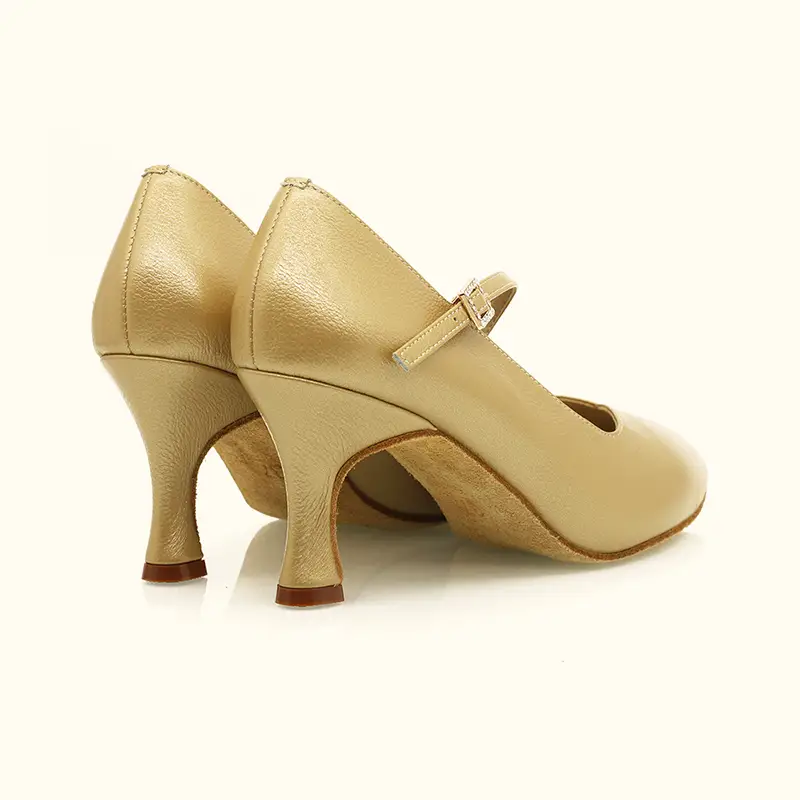
Slipping inside a dance shoe is one of the most frustrating problems a ballroom dancer can face. It causes blisters, undermines balance, and forces the dancer to grip with their toes, which ruins technique. Suphini approaches this challenge systematically, treating a secure, non-slip fit as the product of several design decisions working together rather than a single feature. This article explains the methods the brand uses to keep the foot locked in place, from last shapes to strap tension and sole selection, and what dancers can do to maintain that security over time.
Why Internal Slippage Ruins Good Technique
When a foot slides inside a shoe, the dancer loses the direct connection between their body and the floor. They compensate by curling their toes or tensing the ankle, which tires the foot and disrupts the smooth weight transfer that standard dance shoes requires. Internal movement also causes friction, and friction produces blisters that can sideline a dancer for days before a competition. Suphini's design team treats slippage as a fundamental flaw to be eliminated at the source, not managed with padding or plasters. Every element, from the last to the strap, is chosen with the goal of keeping the foot and shoe moving as a single unit.
Last Shapes That Hold the Foot in Place
The foundation of a non-slip fit is the last, and Suphini's standard lasts are shaped to match the contours of the foot closely through the heel and midfoot. A well-designed heel seat cups the back of the foot so it cannot slide backward during rise, while the arch profile supports the instep and prevents forward drift. Suphini maintains multiple lasts for different foot shapes, because a last that holds one dancer securely may leave another feeling loose. When the last matches the foot correctly, the shoe grips through shape rather than through tightness, which is both more comfortable and more effective at preventing movement.
The Role of the Heel Counter
The heel counter is the stiffened section at the back of the shoe, and Suphini reinforces it to maintain its shape through repeated wear. A firm heel counter holds the heel in place during backward steps and turns, preventing the vertical and lateral movement that causes slipping. Over time, cheaper shoes lose this support as the counter softens, which is why dancers often notice their shoes becoming less secure after several months. Suphini selects materials that resist this breakdown, keeping the heel counter effective for far longer. Dancers should still check the counter periodically, since no material lasts forever under regular use.

Strap Placement and Tension Control
Straps contribute significantly to a non-slip fit, and Suphini positions them to hold the instep and, where applicable, the ankle firmly against the sole. The strap must be tight enough to prevent the foot from sliding forward yet loose enough to allow circulation and natural flex. Suphini uses adjustable buckles and elasticized sections so dancers can fine-tune the tension to their own foot. Checking strap tension before each session is a simple habit that maintains security, especially as leather softens with wear. Dancers with very narrow feet sometimes need to punch an additional hole to achieve the hold they need, and Suphini's straps are designed to allow this.
Sole Materials and Surface Contact
A secure fit also depends on the sole's interaction with the floor, and Suphini selects suede with the right nap to provide predictable, controlled glide. A sole that grips too aggressively causes the shoe to catch, which can jerk the foot inside the shoe and disrupt the fit; a sole that is too slippery forces the dancer to tense up to stay upright. Suphini's suede is chosen to sit in the sweet spot between these extremes, giving dancers the confidence to move freely. The sole is also attached flat, without high spots that would create uneven contact and cause the foot to shift inside the shoe during turns.
Breaking In Shoes Without Loosening the Fit
New dance shoes often feel snug, and the break-in process determines whether they settle into a secure fit or become loose over time. Suphini recommends wearing new shoes for short sessions and gradually increasing the duration, allowing the materials to mold to the foot without stretching excessively. Dancers should avoid forcing the shoe to stretch with water or mechanical devices, which can permanently distort the fit. Wearing the tights or thin socks you normally dance in during break-in ensures the shoe adapts to the right conditions. A careful break-in preserves the secure hold that Suphini's construction is designed to deliver.
Practical Habits That Keep the Fit Secure
Maintaining a non-slip fit is an ongoing practice, and a few simple habits make a real difference. Airing shoes after each session prevents moisture from softening the leather and loosening the fit. Storing shoes with shoe trees helps them retain their shape. Inspecting straps, buckles, and heel counters monthly catches small issues before they affect security. Rotating between pairs gives each shoe time to recover and extends its useful life. Dancers who treat their shoes as equipment rather than accessories find that the secure, non-slip fit Suphini builds into every pair lasts through many seasons of dancing.



