 English
 Arabic
 French
 Spanish
 Portuguese
 Deutsch
 Turkish
 Dutch
 Italiano
 Russian
 Romaian
 Portuguese (Brazil)
 Greek
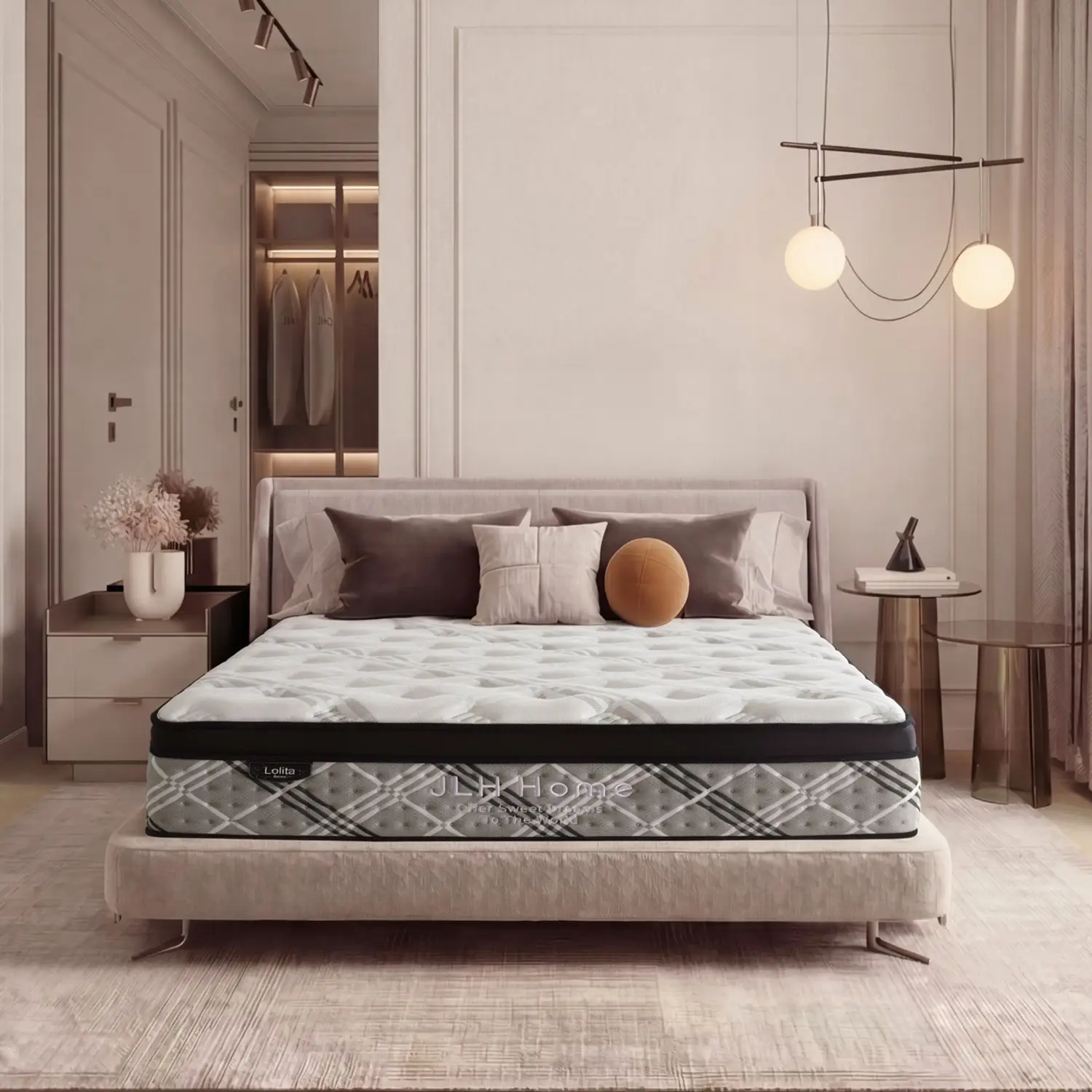
Memory foam's defining trait is its ability to contour to pressure points and slowly recover its shape. Achieving that trait consistently requires careful control of foam chemistry and density, which separates serious manufacturers from those simply buying whatever foam is cheapest on the market. JLH Home manages its memory foam production around three priorities that wholesale buyers care about: how the mattress feels, how long it holds up, and how far it can be adapted to a client's brand. Each priority shapes the choices made on the factory floor, from raw material selection through final packaging.
The Science of Comfort in Foam Layers
Comfort in a memory foam mattress comes from the interplay of layers rather than a single slab of material. JLH Home builds mattresses with distinct comfort layers, often combining traditional memory foam with gel-infused or open-cell variants that address the heat retention issue that plagued early foam beds. Softer top layers create the slow-sinking sensation customers associate with memory foam, while transition layers prevent excessive sinkage. The combination determines whether a mattress feels plush, balanced, or firm, and the factory tunes these layers to match the specific feel a client wants to sell.
Support Cores That Prevent Premature Sagging
A comfortable surface means little without a support core that keeps the sleeper's spine aligned and the mattress from collapsing over time. JLH Home pairs memory foam comfort layers with high-density support foam bases, specifying density grades appropriate to the intended product tier. Higher-density cores resist the compression that eventually flattens low-quality mattresses, particularly where heavier sleepers concentrate weight. Buyers evaluating any memory foam supplier should ask about support core density directly, because this specification reveals more about expected lifespan than any comfort claim in a brochure.
Cooling Technologies for Hot Sleepers
Heat retention remains the most common complaint about memory foam, and manufacturers have responded with a range of cooling approaches. JLH Home incorporates gel infusions that absorb and disperse body heat, open-cell foam structures that improve airflow, and breathable cover fabrics that help heat escape the sleep surface. Not every cooling claim delivers real results, so buyers should test samples and ask about the specific mechanism used rather than accepting generic marketing language. A mattress that sleeps cool commands premium pricing and generates fewer returns, making cooling technology a worthwhile investment for retailers targeting warm climates.
Customization Options for Wholesale Clients
JLH Home's memory foam production supports customization across firmness, thickness, cover design, branding, and packaging, allowing retailers to build differentiated product lines rather than reselling identical models available elsewhere. Clients can specify multiple firmness variants within a single product family, adjust layer profiles for different price tiers, and apply their own labels and covers. Because memory foam compresses efficiently, customized products ship economically, which suits online retailers and importers managing warehouse costs. Flexibility at the specification stage is what transforms a generic foam mattress into a branded retail asset.
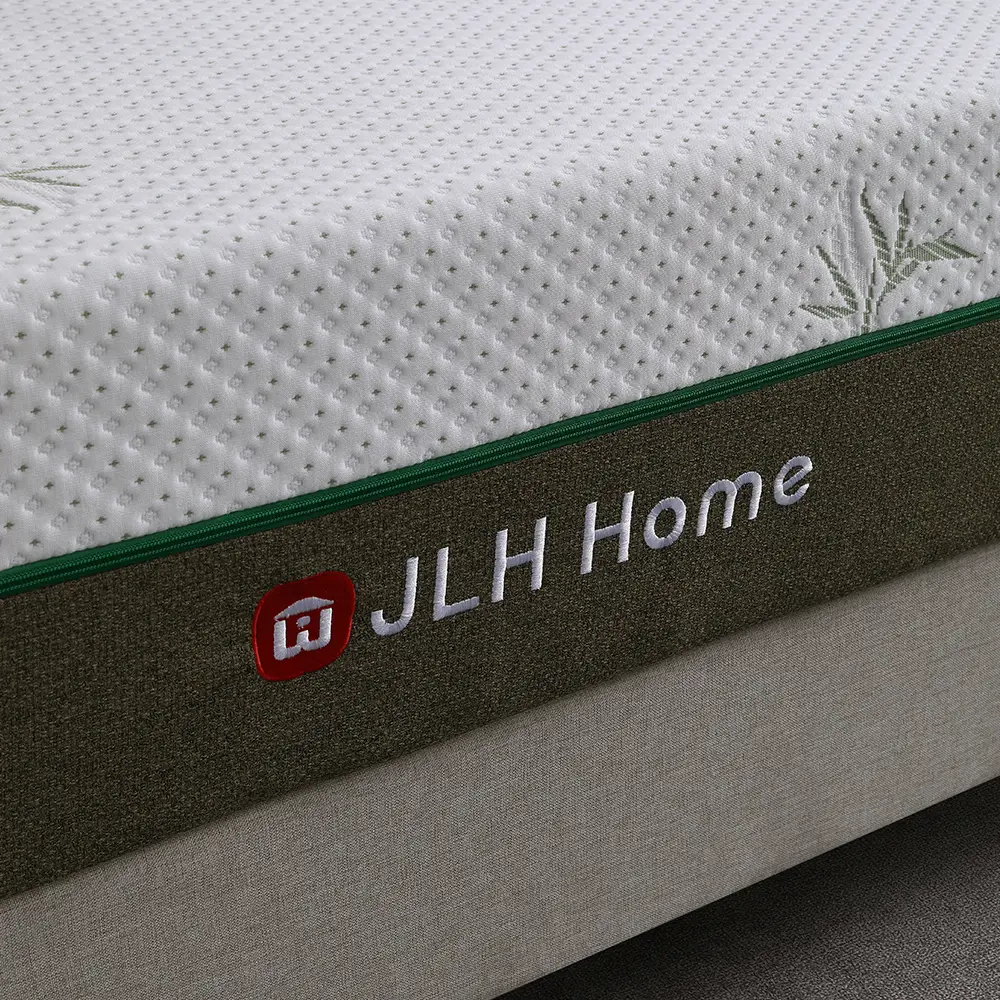
Certifications and Foam Safety Standards
Memory foam has attracted scrutiny over emissions and chemical content, and responsible manufacturers address these concerns with certification. JLH Home sources foams meeting recognized safety standards for low emissions and content, and provides documentation that clients can present to retailers and regulators. Certifications matter particularly for brands selling into markets with strict furniture regulations, where non-compliant foam can halt shipments at customs or trigger recalls. Buyers should verify that certificates apply to the specific foam grades ordered, not simply to the factory in general.
Evaluating a Memory Foam Manufacturer
The memory foam category rewards buyers who look past surface claims. Ask about foam densities, support core specifications, cooling mechanisms, certification documentation, and customization capability, then compare answers across suppliers. JLH Home approach, built around layered comfort engineering, durable support cores, and genuine customization flexibility, illustrates what a capable foam manufacturer should be able to explain. Retailers who demand these answers before committing to orders consistently end up with products that sell well and hold up under customer scrutiny.


