 English
 Arabic
 French
 Spanish
 Portuguese
 Deutsch
 Turkish
 Dutch
 Italiano
 Russian
 Romaian
 Portuguese (Brazil)
 Greek
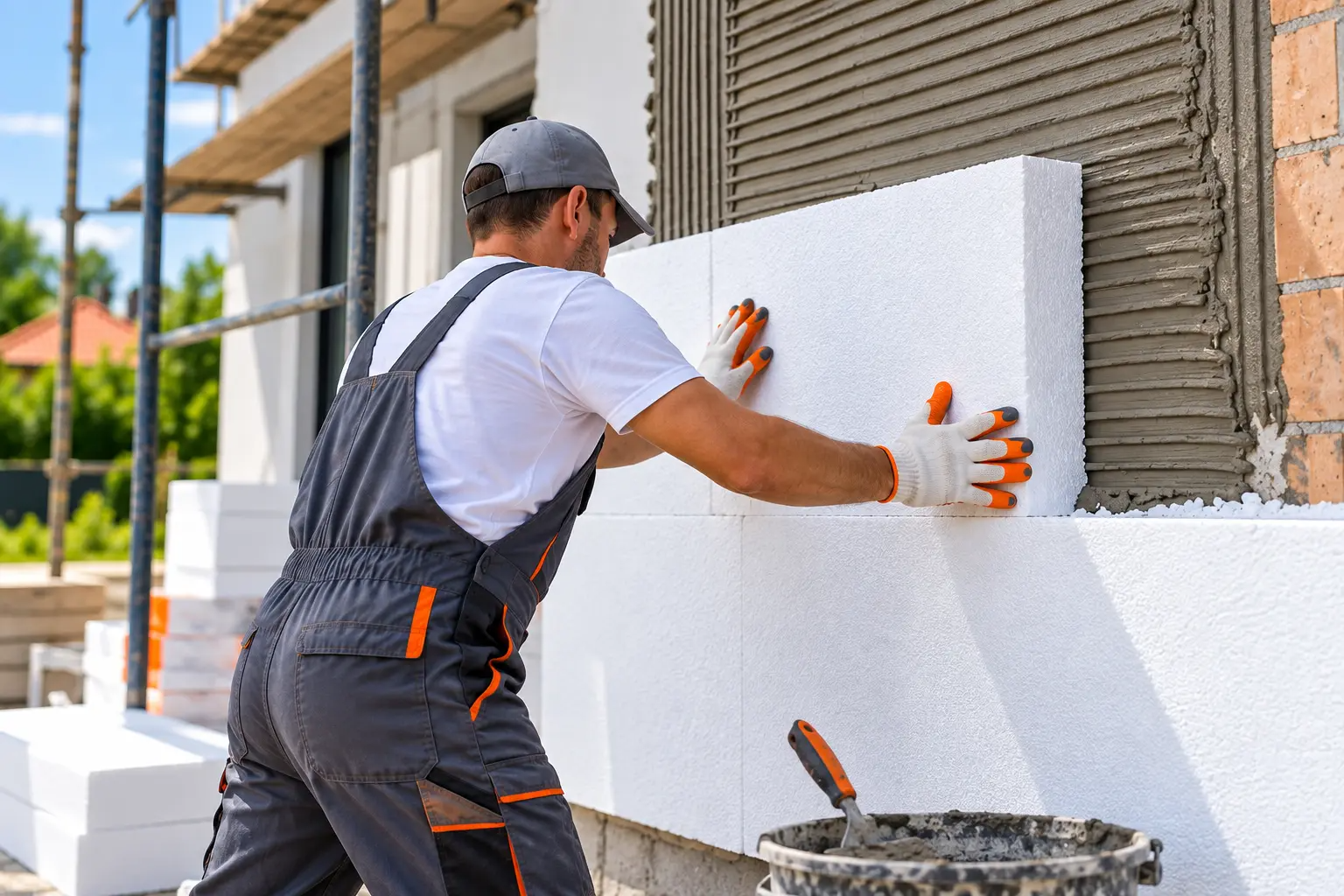
Styrofoam is one of the most common materials used for facade insulation, yet many buyers are unsure what it actually costs. Prices can differ depending on thickness, density and type, and quotes from different sellers do not always use the same terms. Understanding these differences helps buyers avoid confusion and choose wisely. This article explains the main factors behind styrofoam pricing and offers practical tips for planning a budget. With a clear picture of costs, you can approach your insulation project with greater confidence.
Breaking Down the Basics
At its simplest, styrofoam cost is determined by how much material each board contains and how it was produced. Thicker boards use more raw material, which increases the price. Higher density adds strength and durability but also raises costs. Production quality, certification and brand reputation influence the final price as well. Buyers should look beyond the number on a price tag and consider what they are actually receiving. Understanding these basics makes it easier to compare products and recognize genuine value.
Thickness and Its Impact on Cost
Thickness is the most visible factor affecting styrofoam price. Common facade thicknesses range from five to twenty centimeters. Thinner boards are cheaper but provide less insulation. Thicker boards cost more initially but deliver greater energy savings over time. Choosing the right thickness involves considering climate, building design and long-term goals. For many homes, mid-range thicknesses offer a sensible balance. Calculating potential savings on heating and cooling can help justify investing in slightly thicker insulation for better performance.
Graphite Styrofoam Versus Standard Boards
Graphite styrofoam offers improved insulation thanks to particles that reflect radiant heat. This allows thinner boards to achieve performance similar to thicker standard ones. While graphite boards cost more per unit, they can be useful when space is limited or when higher efficiency is required. Standard white boards remain popular for their affordability and reliability. Buyers should compare both options in terms of performance per price. In some cases, the improved efficiency of graphite boards provides excellent long-term value despite higher upfront costs.
Additional Costs to Keep in Mind
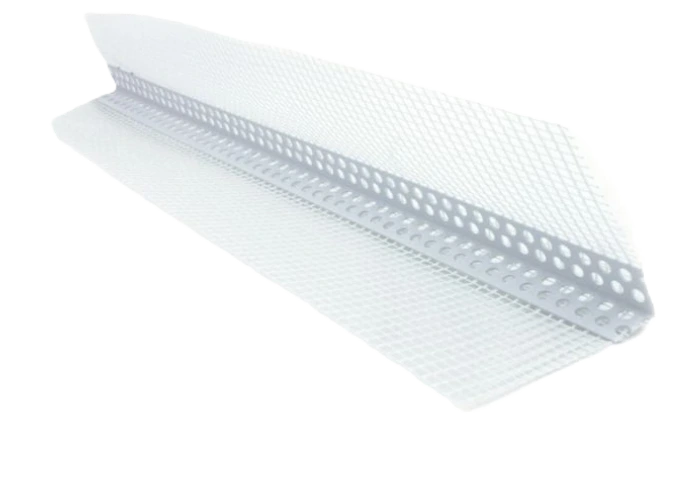
Styrofoam is only one part of the facade budget. Adhesive, dowels, mesh, base coat, primer and render all add to the total. Delivery charges, scaffolding and labor costs also need consideration. Some buyers focus only on insulation prices and are surprised when the full project costs more than expected. Creating a complete estimate from the beginning prevents this problem. Including all components ensures that the budget reflects reality and that the project can proceed smoothly without financial interruptions.
Seasonal Demand and Availability
Construction activity often peaks in spring and summer, and this increased demand can influence prices and availability. Buying materials during quieter periods may sometimes offer advantages. Planning ahead also ensures that materials are available when work is scheduled to begin. Delays caused by stock shortages can push projects into less favorable weather. Working with a supplier that maintains reliable inventory reduces these risks. Thoughtful timing helps buyers secure materials at reasonable prices and keep their projects on schedule.
Tips for Getting the Best Value
To get the best value, buyers should measure their facade accurately, choose the appropriate thickness and compare products with identical specifications. Ordering all materials at once can reduce delivery costs. Asking for advice from experienced suppliers helps avoid unnecessary purchases. Checking product certifications ensures quality. Balancing price with performance leads to smarter decisions. These simple steps help homeowners and contractors stretch their budgets further while still achieving durable and energy-efficient facade insulation.
Checking Prices with a Trusted Supplier
Understanding styrofoam costs allows buyers to plan insulation projects realistically and confidently. By considering thickness, type and additional materials, you can build an accurate budget. A good starting point is to review the current stiropor cena at KupiFasadu, where you can also find complementary facade products. With careful planning and reliable materials, your insulation investment will deliver comfort, energy savings and long-lasting protection for your building.

