 English
 Arabic
 French
 Spanish
 Portuguese
 Deutsch
 Turkish
 Dutch
 Italiano
 Russian
 Romaian
 Portuguese (Brazil)
 Greek
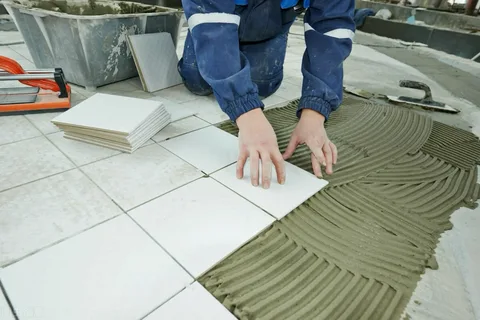
Tile flooring is a practical choice for businesses and homeowners who want durable, attractive, and easy-to-maintain surfaces. Proper installation plays an important role in the appearance and performance of any tiled space. Commercial Tile Installation requires careful planning, suitable materials, and skilled workmanship to handle regular foot traffic and daily use. From offices and retail stores to kitchens and bathrooms, quality tile work can improve both functionality and appearance.
Understanding the Importance of Quality Tile Installation
Tile installation involves more than placing tiles on a floor or wall. It requires proper surface preparation, accurate measurements, and the right installation materials. Every step affects the final result. Poor installation can lead to uneven surfaces, loose tiles, cracks, and grout problems.
A properly installed tile surface can last for many years with regular care. It also makes cleaning easier and helps maintain a neat appearance. Choosing suitable tiles for each area is equally important. Factors such as moisture, foot traffic, temperature, and daily activities should be considered before starting a project.
Selecting the Right Tiles for Different Spaces
Different areas require different types of tiles. Ceramic and porcelain tiles are common choices for many residential and commercial projects. They come in various sizes, colours, textures, and finishes. Homeowners and business owners can select designs that match their existing interiors.
Porcelain tiles are often selected for areas with heavy use because they are dense and durable. Ceramic tiles can work well for walls and other suitable surfaces. Natural stone tiles offer a different appearance but may require additional maintenance. Before making a decision, it is important to compare the features of each material.
The right tile also depends on the purpose of the space. Bathrooms need materials that perform well in wet conditions. Kitchens require surfaces that are easy to clean and maintain. Commercial spaces may need stronger flooring options that can handle frequent movement.
Benefits of Residential Tile Flooring
Homeowners often choose tiles because they are practical and available in many styles. Tiles can improve the appearance of kitchens, bathrooms, living rooms, hallways, and entryways. They also provide a hard surface that is generally easier to clean than many other flooring materials.
Residential Tile Installation requires attention to the layout, room dimensions, and the homeowner's design preferences. A well-planned installation can create a consistent look throughout the home. It can also help make smaller rooms appear more organized when the tile size and pattern are selected carefully.
Another benefit is the range of available designs. Homeowners can choose wood-look tiles, stone-look finishes, large-format tiles, or simple patterns. These options make it easier to match different interior styles. Proper grout selection can also improve the overall appearance and make maintenance more manageable.
Preparing the Surface Before Installation
Surface preparation is one of the most important parts of any tile project. The existing floor or wall should be inspected before installation begins. Dirt, grease, loose materials, and damaged sections need attention. The surface must also be suitable for the selected tile and installation method.
An uneven surface can create problems after the tiles are installed. Some tiles may sit higher than others, creating an uncomfortable or unattractive finish. Cracks in the existing surface may also affect the new installation if they are not addressed properly.
Professional installers measure the area and plan the tile layout before applying adhesive. They also check whether the surface needs levelling or additional preparation. Taking these steps helps reduce installation problems and supports a more consistent finish.
Choosing Professional Tile Installation Services
Hiring experienced installers can make a significant difference in the quality of a tile project. Tile installation requires knowledge of different materials, adhesives, grout products, and installation techniques. Professional installers understand how to work with different surfaces and room layouts.
Professional Tile Installation helps ensure that tiles are placed accurately and aligned properly. Installers pay attention to spacing, cutting, edge finishing, and grout application. These details contribute to a clean and balanced appearance. Skilled workmanship also helps reduce common problems such as uneven tiles and inconsistent grout lines.
Before hiring a tile contractor, customers should review previous projects and discuss their requirements. It is useful to ask about the installation process, estimated timeline, and materials needed. Clear communication helps both sides understand the project's expectations and avoid unnecessary delays.
Commercial Tile Projects and Their Requirements
Commercial properties have different flooring requirements compared to residential spaces. Offices, restaurants, retail stores, medical facilities, and other business locations experience regular foot traffic. Their flooring must be selected according to the activities performed in each area.
Durability is an important consideration for commercial projects. The tiles should be suitable for the expected level of use. In some environments, slip resistance and moisture management are also important factors. Selecting the correct material can help businesses maintain safe and functional spaces.
Installation planning is equally important. Commercial projects may involve larger floor areas, multiple rooms, and specific business schedules. Contractors need to measure accurately and organize the work to reduce unnecessary disruption. A clear project plan can help keep the installation process organized.
Popular Tile Designs for Modern Interiors
Tile designs have become more varied over time. Customers can choose from simple patterns, natural textures, geometric designs, and modern finishes. The selected style should complement the overall appearance of the property rather than compete with other interior elements.
Large-format tiles are popular because they create a clean and spacious appearance. They can also reduce the number of visible grout lines. However, they require accurate measurements and proper surface preparation. Smaller tiles may be more suitable for detailed patterns and certain bathroom applications.
Wood-look tiles are another common option. They provide the appearance of wood while offering the practical features of tile. Stone-look tiles can create a natural appearance in kitchens, bathrooms, and living areas. Choosing a suitable finish helps balance appearance, cleaning requirements, and everyday use.
Common Tile Installation Mistakes to Avoid
Some installation mistakes can affect the performance and appearance of tiled surfaces. One common issue is skipping proper surface preparation. Installing tiles over an unsuitable or uneven surface can cause movement, cracks, and poor alignment.
Incorrect adhesive selection is another problem. Different tile materials and surfaces may require specific products. Using the wrong adhesive can affect how securely tiles remain in place. Installers should follow the manufacturer's recommendations for the selected materials.
Grout application also requires care. Inconsistent grout lines can make the finished surface look uneven. Poor sealing, where sealing is required, may also increase maintenance problems. Working with experienced installers and using appropriate materials can help avoid these issues.
Maintaining Tile Floors After Installation
Regular maintenance helps keep tiled surfaces in good condition. Basic cleaning removes dust, dirt, and everyday stains. A suitable cleaning solution should be used according to the tile manufacturer's instructions. Harsh products may damage certain finishes or grout materials.
Grout lines also need regular attention. Dirt can collect between tiles, especially in kitchens, bathrooms, and high-traffic areas. Cleaning these areas helps maintain a neat appearance. If grout becomes damaged or loose, timely repairs can prevent further problems.
It is also useful to inspect tiled surfaces occasionally. Look for cracked tiles, loose sections, and damaged grout. Addressing small issues early can reduce the need for larger repairs. Proper maintenance protects the appearance and usefulness of the installation.
Planning a Successful Tile Installation Project
Every tile project should begin with a clear plan. Customers should identify the areas that need installation and decide which materials suit their requirements. Measurements help determine the quantity of tiles, adhesive, grout, and other supplies needed.
The project budget should include material costs, labour, surface preparation, and any additional work. It is also important to discuss the expected completion time with the contractor. These details help customers make informed decisions before the work begins.
A reliable contractor can explain the available options and recommend suitable installation methods. Customers should discuss their design preferences and practical requirements before the project starts. Proper planning makes it easier to achieve a result that meets the property's needs.
Why Skilled Tile Contractors Matter?
Tile installation requires patience, accuracy, and practical experience. Even high-quality tiles may not deliver the expected results if they are installed incorrectly. Skilled contractors understand how to handle different tile sizes, patterns, corners, and edges.
They also know how to identify potential surface problems before installation. This can help prevent avoidable repairs and improve the overall finish. Their experience allows them to work through different project requirements while maintaining attention to detail.
When selecting a contractor, customers should consider workmanship, communication, experience, and project planning. Reviewing completed projects can provide a better understanding of the contractor's capabilities. Choosing the right team is an important step toward achieving durable and attractive tiled surfaces.
Conclusion
A well-planned tile project can improve the durability, functionality, and appearance of any property. Choosing suitable materials, preparing surfaces correctly, and using skilled installers are important steps toward achieving lasting results. For customers looking for quality tile services, Tile By Dino is one of the best companies providing tile installation solutions in Loveland, CO, and its surrounding areas. Their focus on proper planning, accurate installation, and attention to detail makes them a strong choice for residential and commercial tile projects.



