 English
 Arabic
 French
 Spanish
 Portuguese
 Deutsch
 Turkish
 Dutch
 Italiano
 Russian
 Romaian
 Portuguese (Brazil)
 Greek
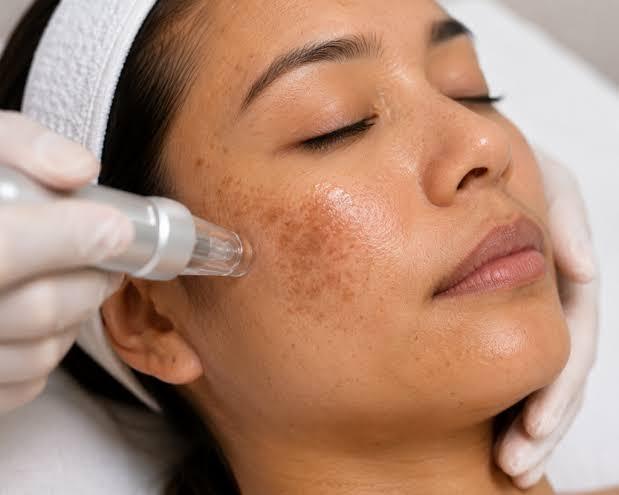
Skin pigmentation is one of the most common aesthetic concerns among people living in Dubai. The city's strong sunlight, warm climate, and frequent exposure to ultraviolet (UV) radiation can contribute to uneven skin tone, dark spots, melasma, and post-inflammatory hyperpigmentation. Although pigmentation may appear similar on the surface, its underlying causes and behaviour can differ significantly from one individual to another. This is why selecting an appropriate professional treatment requires more than simply identifying the visible discolouration.
Skin type plays an important role in determining which pigmentation treatment may be suitable. Factors such as natural skin colour, melanin activity, sensitivity, oil production, and previous reactions to skincare products can influence how the skin responds to different procedures. A treatment that works well for one person may not produce the same results for someone with a different skin type.
For individuals considering Pigmentation in Dubai understanding the relationship between skin type and treatment selection can help create a more personalised approach to skin rejuvenation. Dr. Camellia Kamyab focuses on assessing individual skin characteristics and pigmentation patterns when considering professional treatment options.
Understanding the Relationship Between Skin Type and Pigmentation
Skin pigmentation develops when melanocytes, the cells responsible for producing melanin, create or distribute pigment unevenly. Melanin provides natural colour to the skin and helps protect it against environmental damage. However, excessive or irregular melanin production can result in darker patches, spots, and an uneven complexion.
Not everyone experiences pigmentation in the same way. Some individuals develop superficial brown spots, while others experience deeper discolouration that can be more challenging to address.
Skin type influences pigmentation because different skin tones contain varying levels of melanin and may respond differently to environmental triggers, inflammation, and aesthetic procedures.
For example, individuals with lighter skin may experience visible sunspots and freckles, whereas people with medium to darker skin tones may be more prone to post-inflammatory hyperpigmentation following irritation or inflammation.
Understanding these differences helps aesthetic professionals select treatments that address pigmentation while respecting the skin's natural characteristics.
How Different Skin Types Influence Pigmentation Treatment
Professional pigmentation treatment should be selected according to the individual's skin condition rather than relying on a standard approach. Different skin types may require different treatment technologies, intensities, and preparation methods.
Fair and Light Skin Types
People with fair or light skin may develop pigmentation due to prolonged sun exposure, ageing, hormonal changes, and previous skin inflammation. Common concerns include freckles, solar lentigines, and uneven skin tone.
Because pigmentation can be particularly noticeable against lighter skin, individuals often seek treatments that improve overall complexion and reduce the appearance of dark spots.
Depending on the pigmentation's depth and characteristics, professional options may include:
- Selected laser treatments designed to target excess pigmentation.
- Chemical peels to improve superficial discolouration.
- Medical-grade topical skincare to support skin renewal.
- Treatments that address sun-related pigmentation and uneven texture.
A professional assessment helps determine whether the pigmentation is superficial or located in deeper skin layers. This distinction is important because different treatments work at different depths.
Medium and Olive Skin Types
Medium and olive skin tones contain more melanin than very fair skin types. Although these skin tones can develop sun-related pigmentation, they may also be more susceptible to post-inflammatory hyperpigmentation.
Inflammation caused by acne, excessive exfoliation, or unsuitable cosmetic procedures can stimulate additional melanin production. This means treatment selection requires careful consideration.
Gentler chemical peels, carefully selected laser technologies, and topical pigmentation treatments may be considered depending on the individual's skin condition.
Treatment intensity and intervals may also need adjustment to minimise unnecessary irritation. A gradual treatment approach can be preferable when the skin has a history of developing dark marks after inflammation.
Darker Skin Types
Darker skin tones naturally contain higher levels of melanin. While this provides some natural protection against UV-related damage, it does not prevent pigmentation concerns.
Melasma, post-inflammatory hyperpigmentation, and uneven skin tone can still occur. In darker skin, certain aggressive procedures may stimulate further pigmentation if they cause excessive inflammation or thermal injury.
For this reason, professional treatment selection should prioritise controlled energy settings, suitable technologies, and appropriate skin preparation.
Depending on the diagnosis, treatment options may include selected low-intensity laser procedures, carefully formulated chemical peels, and topical products that help regulate excess melanin production.
The objective is to improve pigmentation without unnecessarily disturbing the surrounding skin.
Why Melanin Levels Matter When Selecting Professional Treatments
Melanin concentration is an important consideration when choosing aesthetic procedures for pigmentation.
Different treatment technologies interact with the skin in different ways. Some laser systems use specific wavelengths to target melanin, while chemical peels work by promoting controlled exfoliation and skin renewal.
However, because melanin is also present in the surrounding skin, treatment settings must be selected carefully.
In skin with higher melanin levels, certain wavelengths or excessive energy settings may affect normal pigment-producing structures. This can increase the likelihood of unwanted pigmentation changes.
An experienced practitioner considers several factors before recommending a procedure, including:
- Natural skin tone and melanin distribution.
- Pigmentation depth and appearance.
- Previous responses to aesthetic treatments.
- Existing skin sensitivity or inflammation.
- The patient's skincare routine and sun exposure.
This assessment allows treatment to be tailored to the individual's skin rather than following a generic protocol.
How Skin Sensitivity Affects Treatment Selection
Skin sensitivity is another important factor when planning professional pigmentation treatments. Some individuals experience redness, dryness, irritation, or discomfort when using active skincare ingredients or undergoing cosmetic procedures.
Sensitive skin may require a more gradual treatment strategy, particularly when pigmentation is associated with inflammation.
For example, strong exfoliating products may not be appropriate for someone whose skin barrier is already compromised. Similarly, intensive procedures may need to be postponed until the skin becomes healthier and more stable.
Professional treatment planning may involve introducing suitable skincare products, improving hydration, and allowing the skin to adjust before proceeding with more advanced procedures.
A personalised approach helps determine the appropriate treatment intensity and frequency while supporting overall skin condition.
The Role of Skin Conditions in Professional Pigmentation Treatment
Skin type is not the only consideration. Existing skin conditions can also influence how pigmentation develops and which treatments may be appropriate.
Acne-Prone Skin
Individuals with acne-prone skin may experience dark marks after inflammatory breakouts. These marks are commonly known as post-inflammatory hyperpigmentation.
In such cases, addressing active acne is often an important part of the overall treatment plan. Treating pigmentation without managing recurring inflammation may lead to new dark marks developing.
A professional may recommend a combination of acne management, suitable topical skincare, and carefully selected pigmentation treatments.
Dry and Dehydrated Skin
Dry skin can have a weakened skin barrier, making it more vulnerable to irritation from exfoliating products and cosmetic procedures.
If pigmentation treatment involves chemical exfoliation or other intensive approaches, skin hydration and barrier support may need attention beforehand.
A suitable skincare routine can help maintain skin comfort and improve tolerance to selected treatments.
Oily and Combination Skin
Oily and combination skin types may experience pigmentation alongside acne, enlarged pores, and uneven texture.
Treatment planning should consider these concerns together. For example, someone with oily skin and acne-related pigmentation may benefit from an approach that addresses both excess oil and post-inflammatory marks.
However, using too many active products simultaneously can cause irritation. Professional guidance helps establish an appropriate routine.
How Dubai's Climate Influences Pigmentation Treatment Planning
Dubai's environmental conditions are an important consideration when managing pigmentation. Regular exposure to strong sunlight can stimulate melanin production and make existing pigmentation more noticeable.
Heat and outdoor activities may also influence how individuals manage their skincare routines.
Even after professional treatment, continued UV exposure can contribute to the recurrence of pigmentation. Therefore, sun protection should remain an essential part of any pigmentation management plan.
A professional may recommend broad-spectrum sunscreen with SPF 30 or higher, regular reapplication, protective clothing, and limiting unnecessary direct sun exposure.
Individuals undergoing certain procedures may also need to follow specific aftercare instructions and avoid excessive heat or sun exposure during the recommended recovery period.
These measures support treatment outcomes and help maintain a more even complexion.
Professional Treatment Options for Different Skin Types
There is no single procedure that is suitable for every pigmentation concern. The most appropriate option depends on the type of pigmentation, skin tone, sensitivity, and treatment goals.
Chemical Peels
Chemical peels use carefully selected exfoliating ingredients to encourage the removal of superficial dead skin cells and support skin renewal.
Different formulations and strengths are available. A professional may select a suitable peel based on skin sensitivity, pigmentation depth, and natural skin tone.
For individuals with darker skin, conservative formulations and carefully planned treatment intervals may be particularly important.
Laser Pigmentation Treatments
Laser procedures use selected wavelengths of light to target specific pigment concerns.
Different laser systems are designed for different pigmentation patterns and skin characteristics. The choice of technology depends on the location, depth, and nature of the pigment, as well as the individual's skin tone.
A professional consultation is essential to establish whether laser treatment is appropriate.
Medical-Grade Topical Treatments
Topical skincare can form an important part of pigmentation management. Depending on the diagnosis, a practitioner may recommend ingredients such as vitamin C, azelaic acid, retinoids, or other pigment-regulating formulations.
These products can help improve uneven skin tone and support longer-term maintenance.
However, not every ingredient is suitable for every skin type. Product selection should account for sensitivity, existing skin conditions, and the individual's treatment history.
Combination Treatment Approaches
Some pigmentation concerns may respond better to a combination of professional procedures and home skincare.
For example, a treatment plan may involve a carefully selected professional procedure alongside topical products and consistent sun protection.
Combination approaches should be introduced gradually and monitored to ensure the skin tolerates each component.
Why a Professional Skin Assessment Is Essential
Choosing a pigmentation treatment based only on online recommendations or product advertisements can lead to unsuitable decisions. Two individuals with similar-looking dark spots may have completely different underlying pigmentation concerns.
A professional assessment helps identify the pigmentation type, evaluate the skin's natural characteristics, and determine the most appropriate treatment strategy.
During a consultation, Dr. Camellia Kamyab can assess factors such as:
- Skin tone and natural melanin levels.
- Pigmentation location, depth, and distribution.
- Skin sensitivity and existing conditions.
- Previous treatments and skincare experiences.
- Lifestyle factors, including sun exposure.
- Individual expectations and desired improvements.
This information supports a personalised treatment plan that considers both immediate concerns and long-term skin maintenance.
How to Maintain Results After Pigmentation Treatment
Professional procedures are only one part of managing uneven skin tone. Maintaining results requires consistent skincare habits and appropriate environmental protection.
Daily sunscreen application is particularly important in Dubai, where sunlight exposure can contribute to recurring pigmentation.
A maintenance routine may include:
- Applying broad-spectrum sunscreen every morning.
- Reapplying sunscreen when spending extended periods outdoors.
- Using gentle cleansers that do not unnecessarily strip the skin.
- Maintaining hydration with suitable moisturisers.
- Introducing active skincare ingredients according to professional advice.
- Avoiding excessive exfoliation and unnecessary irritation.
- Following the recommended schedule for professional follow-up appointments.
Consistency is more important than using multiple intensive products. A simple, suitable routine can help support healthier-looking skin and maintain improvements over time.
Conclusion
Skin type plays a significant role in determining which professional pigmentation treatment may be appropriate. Fair, medium, olive, and darker skin tones have different melanin characteristics and may respond differently to lasers, chemical peels, and topical skincare products. Sensitivity, acne, dryness, and existing inflammation can also influence treatment decisions.
For individuals considering Pigmentation Treatment in Dubai, a personalised assessment is an important starting point. Understanding the pigmentation's underlying cause, evaluating skin characteristics, and selecting suitable treatment options can help create a more targeted approach to improving uneven skin tone.
Dr. Camellia Kamyab emphasises the importance of individual skin assessment when planning aesthetic treatments. With an appropriate professional strategy, suitable skincare, and consistent sun protection, individuals can work towards a more balanced and healthier-looking complexion.
Frequently Asked Questions
1. Does skin type affect pigmentation treatment selection?
Yes. Skin type influences melanin levels, sensitivity, and the likelihood of developing post-inflammatory hyperpigmentation. These factors help determine which professional treatments and settings may be appropriate.
2. Which pigmentation treatment is suitable for darker skin tones?
Suitable options may include carefully selected topical treatments, conservative chemical peels, and specific laser technologies. The choice depends on pigmentation depth, skin sensitivity, and individual treatment history.
3. Can fair skin also develop pigmentation problems?
Yes. Fair skin can develop freckles, sunspots, melasma, and other forms of uneven pigmentation. UV exposure, hormonal changes, and ageing are common contributing factors.
4. Why is a skin assessment important before pigmentation treatment?
A skin assessment helps identify the type and depth of pigmentation while evaluating skin tone, sensitivity, and existing conditions. This information allows the practitioner to recommend an appropriate treatment approach.
5. Can sensitive skin undergo professional pigmentation treatments?
Yes, depending on the skin condition and the treatment being considered. Sensitive skin may require gentler procedures, suitable skincare preparation, and carefully planned treatment intervals.
6. Does Dubai's climate make pigmentation worse?
Frequent exposure to strong sunlight can stimulate melanin production and contribute to existing pigmentation. Consistent sun protection is therefore important when managing uneven skin tone in Dubai.
7. Are chemical peels suitable for every skin type?
Not every chemical peel is suitable for every individual. The formulation, concentration, and treatment frequency should be selected according to skin tone, sensitivity, and pigmentation characteristics.
8. Can pigmentation return after professional treatment?
Yes. Pigmentation can recur, particularly when underlying triggers such as UV exposure, hormonal influences, or skin inflammation continue. Appropriate skincare and sun protection can help maintain treatment improvements.
9. How long does it take to see improvements in pigmentation?
The timeline varies according to pigmentation depth, skin type, treatment method, and individual response. Some superficial concerns may improve over several weeks, while deeper or persistent pigmentation may require a longer treatment plan.
10. Where can I get professional pigmentation treatment in Dubai?
Individuals considering professional pigmentation treatment can arrange a consultation with Dr. Camellia Kamyab. An assessment can help identify their skin concerns and determine which treatment options may be suitable for their complexion and aesthetic goals.


