 English
 Arabic
 French
 Spanish
 Portuguese
 Deutsch
 Turkish
 Dutch
 Italiano
 Russian
 Romaian
 Portuguese (Brazil)
 Greek
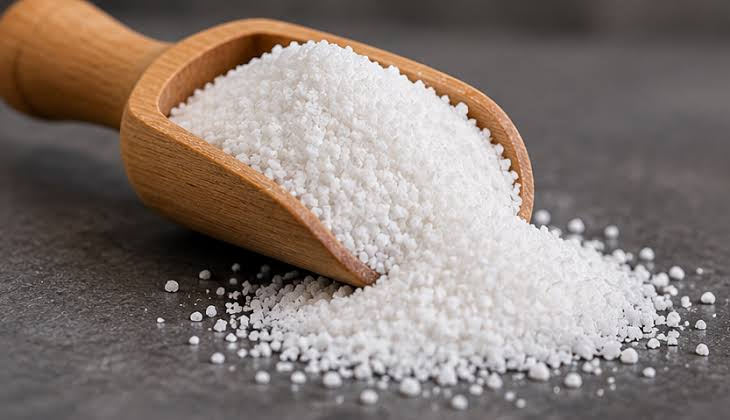
The texture of food often matters as much as its flavor. A smooth pudding, a firm jelly, a creamy chocolate milk or a stable salad dressing all depend on ingredients that control how liquids behave. Agar, carrageenan, gellan gum and sodium alginate are four natural hydrocolloids widely used to thicken, gel and stabilize foods. Alongside them, emulsifiers and structuring agents such as glycerol monostearate and cetyl alcohol help blend oil and water and create desirable textures. This article explains where these ingredients come from, how they work and where they are used in food, pharmaceuticals, cosmetics and other industries. Each ingredient offers a different texture, and choosing the right one can transform a product. Understanding their strengths helps formulators create consistent, appealing products while controlling costs and meeting regulatory requirements.
Agar
Agar is extracted from red seaweeds, mainly species of Gelidium and Gracilaria. It has been used in Asian cooking for centuries and forms firm, heat stable gels at very low concentrations. Agar gels set at around 35 to 40 degrees Celsius and do not melt until heated to about 85 degrees, a property that makes them ideal for desserts and confectionery in warm climates. It is a popular vegetarian alternative to gelatin. In microbiology, agar is the standard medium for growing bacteria and fungi in laboratories because it stays solid at incubation temperatures. It is also used in canned meats, bakery fillings and some dairy products. It is also valued because it is free from animal ingredients.
Carrageenan
Carrageenan is another seaweed extract, obtained from red algae such as Kappaphycus and Eucheuma. There are three main types: kappa, which forms firm gels with potassium; iota, which forms soft, elastic gels with calcium; and lambda, which thickens without gelling. Carrageenan interacts strongly with milk proteins, making it especially useful in dairy products such as chocolate milk, ice cream, puddings and cream cheese, where it prevents separation and improves texture. It is also used in processed meats to retain moisture, in toothpaste as a binder and in plant based foods to improve texture. Food grade carrageenan must meet strict purity standards. Kappa carrageenan is also widely used in pet food and vegetarian products.
Gellan Gum and Sodium Alginate
Gellan gum is produced by fermentation using the bacterium Sphingomonas elodea. It forms clear gels at very low concentrations and is excellent for suspending particles in beverages, such as fruit pieces or protein in plant based milks. High acyl gellan forms soft, elastic gels, while low acyl gellan forms firm, brittle ones. Sodium alginate is extracted from brown seaweeds and forms gels when it reacts with calcium ions. This reaction allows the creation of restructured foods, fruit pieces and the popular spherification technique in modern cuisine. Alginate is also used in wound dressings, dental impression materials and textile printing.
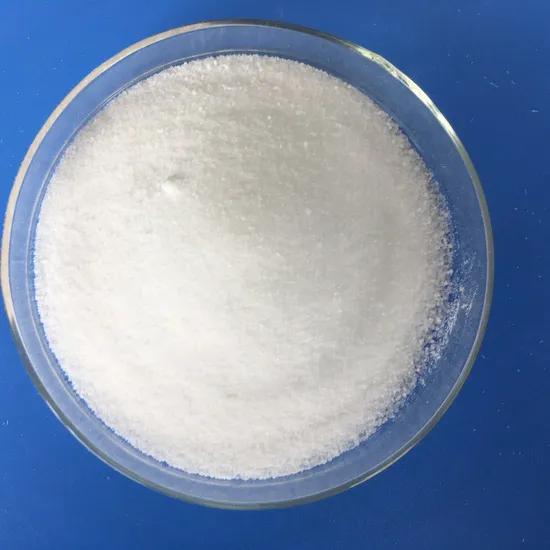
Glycerol Monostearate and Cetyl Alcohol
Glycerol monostearate is an emulsifier made from glycerin and stearic acid. In food, it helps blend fats and water, prevents staling in bread, improves the texture of ice cream and stabilizes whipped toppings. In cosmetics, it thickens creams and lotions. Cetyl alcohol is a fatty alcohol derived from natural fats or petroleum sources. Despite the word alcohol, it is not drying to the skin; instead, it acts as an emollient, thickener and emulsion stabilizer. It is widely used in hair conditioners, creams and lotions to provide a smooth, rich feel. Both ingredients help create stable, pleasant textures in finished products.
Choosing the Right Hydrocolloid or Emulsifier
Selecting the right ingredient depends on the desired texture, processing conditions and product type. Agar suits heat stable gels and vegetarian desserts, carrageenan excels in dairy, gellan is ideal for suspension in beverages, and alginate works well where calcium triggered gelling is needed. Emulsifiers such as glycerol monostearate and cetyl alcohol help stabilize mixtures of oil and water. Many products use combinations to achieve the perfect result. Manufacturers should use food or cosmetic grade materials that meet regulatory standards and test ingredients carefully in their formulations. Reliable suppliers of آگار and other hydrocolloids can provide technical guidance on choosing grades.

