 English
 Arabic
 French
 Spanish
 Portuguese
 Deutsch
 Turkish
 Dutch
 Italiano
 Russian
 Romaian
 Portuguese (Brazil)
 Greek
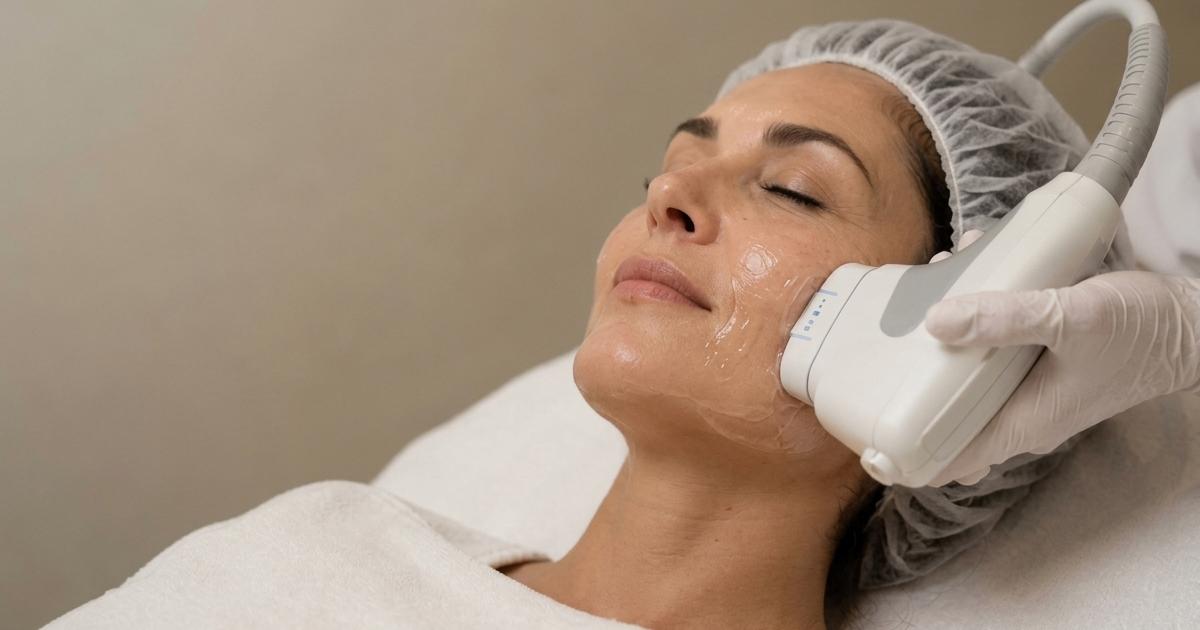
Skin firmness plays an important role in maintaining a youthful, smooth, and refreshed appearance. However, as the skin ages, it gradually loses collagen and elastin, two essential proteins responsible for its strength, elasticity, and natural support. This process can lead to loose skin, fine lines, wrinkles, and reduced definition around different areas of the face and body. Environmental factors, sun exposure, lifestyle habits, and natural ageing can also influence how quickly these changes become visible.
Modern aesthetic treatments increasingly focus on improving the skin's natural structure rather than simply addressing visible signs of ageing. Collagen stimulation is one approach that aims to encourage the body's natural collagen production, helping improve skin texture and firmness over time.
For individuals considering Skin Tightening in Dubai, understanding how collagen stimulation works can help them make informed decisions about suitable treatment options. Dr. Camellia Kamyab focuses on personalised aesthetic care, considering individual skin concerns, treatment goals, and the characteristics of each patient's skin before recommending an appropriate approach.
Understanding the Role of Collagen in Skin Firmness
Collagen is a structural protein naturally produced by the body. It provides support to the skin, helping it maintain its strength, smoothness, and firmness. Elastin works alongside collagen by allowing the skin to stretch and return to its original position.
During younger years, the body generally maintains a relatively balanced process of collagen production and breakdown. However, this balance changes with age. Collagen production gradually decreases, while existing collagen fibres become less organised and supportive.
As a result, the skin may begin to appear thinner, less elastic, and more relaxed. Facial areas such as the cheeks, jawline, and neck can gradually lose definition. Similar changes may occur around the abdomen, upper arms, thighs, and other body areas.
Collagen stimulation treatments aim to support the skin's natural renewal processes, potentially improving firmness and texture without relying exclusively on temporary cosmetic effects.
How Does Collagen Stimulation Improve Skin Firmness?
Collagen stimulation works by encouraging the body's natural production of new collagen. Different aesthetic technologies and treatment methods can achieve this through controlled stimulation of the skin's deeper layers.
Depending on the selected procedure, this stimulation may activate natural repair and remodelling processes. Fibroblasts, which are specialised cells within the skin, play an important role in producing collagen and other structural components.
As new collagen develops, the skin may gradually become more supported and resilient. This process can contribute to improvements in firmness, texture, and the appearance of mild skin laxity.
Unlike treatments that create an immediate visible change through volume or surface correction, collagen-stimulating approaches generally produce gradual results. The skin needs time to respond and develop new structural support.
The extent of improvement depends on several factors, including age, skin condition, treatment method, collagen production capacity, and the degree of existing skin laxity.
Why Does Skin Lose Firmness Over Time?
Skin laxity is a natural part of ageing, but it does not develop at the same rate for everyone. Several internal and external factors influence collagen levels and the overall condition of the skin.
One of the main contributors is natural ageing. As collagen production decreases, the skin gradually loses some of its structural support. Changes in elastin also affect its ability to maintain its original shape.
Sun exposure is another important factor. Ultraviolet radiation can contribute to collagen breakdown and changes in skin texture. Repeated exposure without adequate sun protection may make visible ageing more noticeable.
Other contributing factors include:
- Weight fluctuations: Repeated changes in body weight can affect skin elasticity, particularly around the abdomen, arms, and thighs.
- Lifestyle habits: Smoking, inadequate sleep, and poor nutritional habits may negatively influence skin health.
- Hormonal changes: Changes in hormone levels can influence collagen production, skin thickness, and moisture retention.
- Genetics: Individual genetic characteristics can affect how quickly the skin develops visible signs of ageing.
- Environmental exposure: Pollution and other environmental stressors may contribute to changes in skin quality.
Understanding these factors helps establish realistic expectations and supports the selection of suitable skin rejuvenation treatments.
Different Treatments That Encourage Collagen Production
Several aesthetic treatments are designed to stimulate collagen production and improve skin quality. The most appropriate option depends on the treatment area, degree of laxity, skin characteristics, and desired outcome.
Radiofrequency Skin Tightening
Radiofrequency technology uses controlled energy to heat targeted layers of the skin. This thermal stimulation can encourage collagen remodelling and support the production of new collagen over time.
The treatment is commonly considered for areas experiencing mild to moderate skin laxity. Depending on the technology used, it may be suitable for the face, neck, and selected body areas.
Patients may notice gradual improvements in skin firmness and texture as the collagen remodelling process develops.
Microneedling with Radiofrequency
Radiofrequency microneedling combines controlled microneedling with radiofrequency energy. Fine needles create small channels in the skin while delivering energy at selected depths.
This combination stimulates the skin's natural repair response and encourages collagen production. It may help improve skin texture, enlarged pores, fine lines, and certain forms of mild skin laxity.
Treatment settings should be adjusted according to the patient's skin condition and the area being treated.
Ultrasound-Based Skin Tightening
Ultrasound-based treatments deliver focused energy to selected tissue depths. The controlled stimulation encourages collagen remodelling and may gradually improve skin support.
These treatments are often considered for facial areas such as the cheeks, jawline, and neck. Certain technologies can also be used for selected body concerns.
The suitability of ultrasound treatment depends on the individual's anatomy, skin condition, and treatment objectives.
Collagen-Stimulating Injectable Treatments
Certain injectable treatments are designed to encourage the body's collagen production rather than simply adding immediate volume.
These treatments work gradually, supporting improvements in skin quality and structural support over time. They may be considered for selected facial areas depending on the product, technique, and patient's individual requirements.
A professional assessment is important to determine whether an injectable collagen-stimulating approach is appropriate.
Which Areas of the Body Can Benefit From Collagen Stimulation?
Collagen production is important throughout the body, which means skin laxity can affect several different areas. Treatment recommendations depend on the amount of loose skin, tissue thickness, and individual aesthetic goals.
For individuals exploring Body Skin Tightening in Dubai, understanding which areas may respond to collagen-stimulating treatments can help establish realistic expectations.
Face and Jawline
The face is one of the most common areas where collagen loss becomes noticeable. Reduced structural support can contribute to softer cheek contours, less defined jawlines, and fine lines.
Collagen-stimulating treatments may help improve skin firmness and support a more refined facial appearance. The treatment approach should be selected according to facial anatomy and the degree of skin laxity.
Neck
The neck has relatively delicate skin and may develop visible signs of ageing over time. Reduced collagen and elastin can contribute to horizontal lines, crepey texture, and loose skin.
Selected skin-tightening technologies may help improve firmness and texture in suitable patients.
Abdomen
The abdominal area may experience changes in skin elasticity following pregnancy, significant weight changes, or natural ageing.
Collagen stimulation may be considered for mild skin laxity, depending on the condition of the tissue. However, individuals with substantial excess skin or significant abdominal muscle separation may require a different treatment approach.
Upper Arms
Loose skin around the upper arms can become more noticeable with age or following weight loss. This area may benefit from selected skin-tightening approaches when the degree of laxity is suitable.
An assessment helps determine whether non-surgical treatment can achieve the patient's desired improvement.
Thighs and Knees
Skin around the thighs and knees can gradually lose firmness. Collagen-stimulating procedures may help improve the appearance of mild laxity and uneven texture in selected patients.
The treatment plan should consider skin thickness, tissue condition, and the size of the treatment area.
When Can Patients Expect to See Improvements?
Collagen stimulation is a gradual biological process. Unlike treatments that provide immediate changes, these procedures require time for the skin to respond and produce new collagen.
Some treatments may create an initial tightening sensation due to the immediate effects of controlled energy on existing collagen fibres. However, longer-term improvements generally develop over the following weeks and months.
The timeline varies depending on the treatment method and individual response. Some patients may benefit from a single session, while others may require multiple appointments to achieve their desired outcome.
During the consultation, Dr. Camellia Kamyab can evaluate the skin and explain the expected treatment timeline based on the selected approach.
It is important to understand that collagen stimulation does not completely reverse ageing. Its purpose is to support skin quality and improve selected concerns while maintaining a natural-looking appearance.
Who May Be Suitable for Collagen-Stimulating Treatments?
Collagen-stimulating treatments may be suitable for individuals who notice early signs of skin laxity, reduced elasticity, fine lines, or changes in skin texture.
People who prefer gradual improvements and want to support their skin's natural structure may also consider these approaches.
However, not every patient is an ideal candidate. Treatment suitability depends on several considerations, including:
- The patient's age and general skin condition.
- The amount of loose or sagging skin.
- The treatment area and underlying tissue structure.
- Previous aesthetic procedures.
- Individual expectations and desired outcomes.
- Whether the selected technology is appropriate for the patient's skin type.
Individuals with significant excess skin may require surgical options rather than non-surgical collagen stimulation. A professional consultation helps identify the most appropriate approach.
How Can Patients Maintain Skin Firmness After Treatment?
Maintaining healthy skin is an important part of supporting long-term treatment outcomes. Although collagen stimulation can encourage natural skin renewal, daily skincare and healthy lifestyle habits also contribute to skin quality.
Consistent sun protection is particularly important because ultraviolet exposure can accelerate collagen breakdown. Using a suitable broad-spectrum sunscreen can help protect the skin from additional environmental damage.
A balanced diet containing adequate protein, vitamins, and other essential nutrients supports normal skin function. Staying hydrated and maintaining a consistent skincare routine can also help improve overall skin appearance.
Patients should follow their practitioner's post-treatment instructions and avoid introducing new active skincare products until advised that the skin is ready.
Maintaining a stable weight may also help support skin elasticity, particularly around the abdomen, thighs, and upper arms.
Choosing the Right Skin Tightening Approach in Dubai
With different aesthetic technologies and collagen-stimulating treatments available, selecting the right procedure requires more than choosing the latest treatment option.
The condition of the skin, treatment area, degree of laxity, and expected results should all influence the decision. A treatment that works well for mild facial laxity may not be suitable for significant loose skin around the abdomen or arms.
At Dr. Camellia Kamyab's practice, an individualised approach allows treatment recommendations to be based on the patient's skin characteristics and aesthetic goals.
Patients considering Skin Tightening in Dubai should discuss their concerns during a professional consultation and understand the expected benefits, treatment process, and number of sessions that may be required.
A carefully selected approach can help support gradual improvements while preserving natural skin appearance.
Conclusion
Collagen plays an essential role in maintaining skin strength, elasticity, and firmness. As natural collagen production decreases with age, the skin may gradually develop fine lines, reduced definition, and visible laxity.
Collagen-stimulating treatments offer an approach to supporting the skin's natural renewal process. Technologies such as radiofrequency, microneedling with radiofrequency, ultrasound-based procedures, and selected injectable treatments may help improve firmness and texture over time.
For individuals considering Body Skin Tightening in Dubai or facial rejuvenation, the most important step is identifying a treatment that matches their skin condition and personal goals.
Dr. Camellia Kamyab can help patients understand available treatment approaches and determine which options may be suitable following an individual assessment. With realistic expectations, appropriate treatment selection, and consistent skincare, patients can work towards healthier-looking, firmer, and more refreshed skin.
Frequently Asked Questions
1. What is collagen stimulation in skin tightening?
Collagen stimulation is a process that encourages the body to produce new collagen. This structural protein supports skin strength and elasticity. Certain aesthetic treatments stimulate the skin's natural renewal processes to help improve firmness and texture over time.
2. How does collagen stimulation make the skin firmer?
Collagen provides structural support to the skin. When treatments encourage new collagen production, the skin may gradually develop improved support and elasticity. This can help reduce the appearance of mild laxity and create a firmer-looking appearance.
3. Which treatments stimulate collagen production?
Several treatments can encourage collagen production, including radiofrequency, radiofrequency microneedling, ultrasound-based skin tightening, and selected collagen-stimulating injectables. The most suitable option depends on the patient's skin condition and treatment goals.
4. How long does it take to see collagen-stimulating results?
Results generally develop gradually over several weeks or months because the body needs time to produce and remodel collagen. The exact timeline depends on the treatment method, individual response, and number of sessions.
5. Can collagen stimulation tighten loose skin on the stomach?
Collagen-stimulating treatments may improve mild abdominal skin laxity in suitable patients. However, significant excess skin or abdominal muscle separation may require alternative treatments. A professional assessment helps determine the most appropriate option.
6. Is collagen stimulation suitable for facial skin?
Yes, selected collagen-stimulating treatments may be suitable for facial concerns such as mild sagging, fine lines, and reduced skin elasticity. Treatment selection depends on facial anatomy, skin condition, and individual requirements.
7. How many sessions are needed for skin tightening?
The number of sessions varies according to the technology used, treatment area, degree of skin laxity, and individual response. Some treatments may require one session, while others involve a course of multiple appointments.
8. Does collagen stimulation provide permanent skin tightening?
Collagen stimulation does not stop the natural ageing process. Although improvements may last for an extended period, collagen continues to change with age and environmental exposure. Maintenance treatments may be considered depending on individual needs.
9. Can younger people benefit from collagen-stimulating treatments?
Some younger individuals may consider these treatments if they have specific skin concerns or early signs of reduced firmness. However, treatment is not necessary for everyone. A professional assessment can establish whether an intervention is appropriate.
10. How can I choose the right skin tightening treatment in Dubai?
Choosing the right treatment starts with an assessment of skin quality, elasticity, treatment areas, and aesthetic goals. Consulting an experienced aesthetic practitioner such as Dr. Camellia Kamyab can help you understand suitable options and develop an individualised treatment plan.

