English
 Arabic
 French
 Spanish
 Portuguese
 Deutsch
 Turkish
 Dutch
Dutch
 Italiano
 Russian
 Romaian
 Portuguese (Brazil)
 Greek
Greek
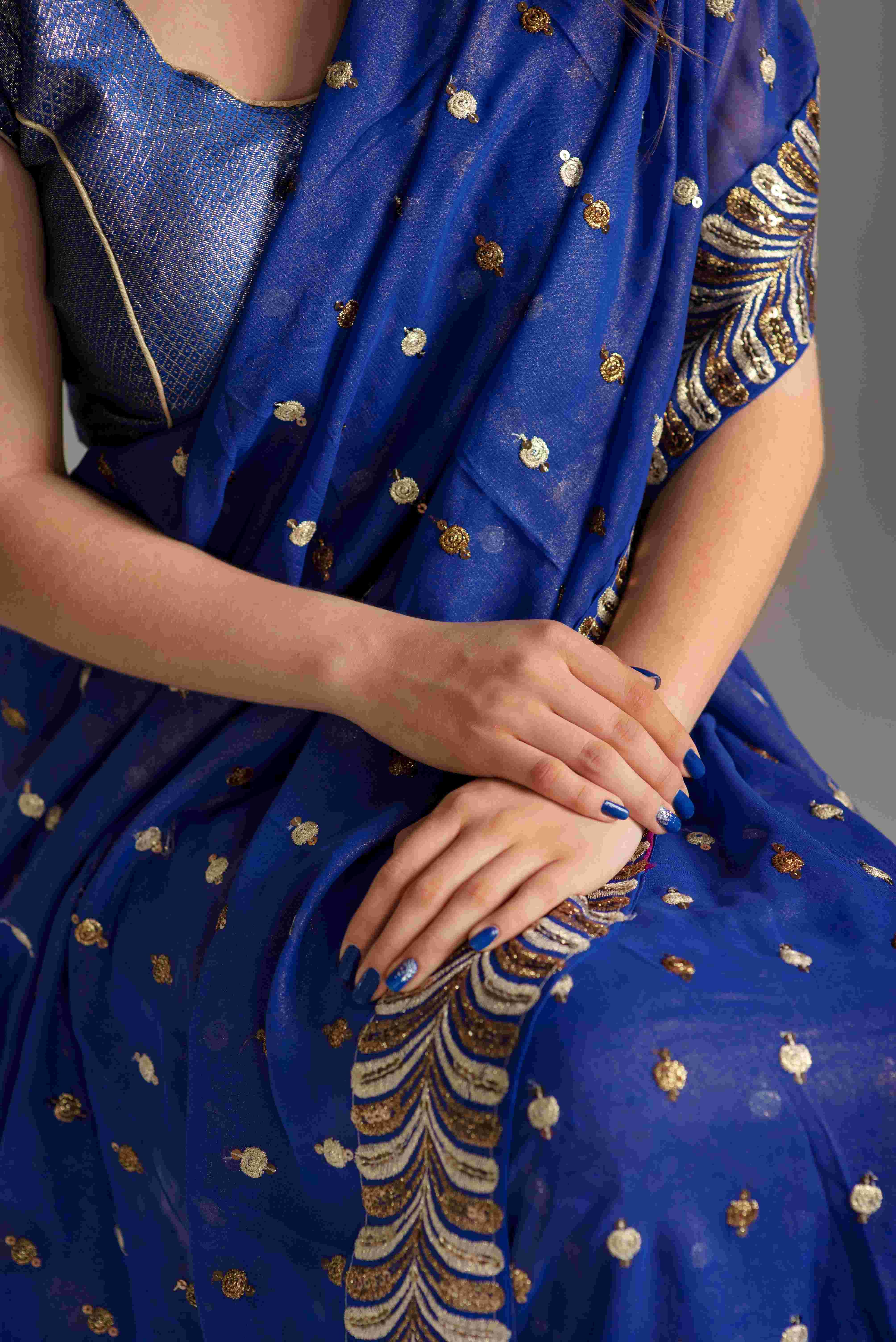
The resplendent beauty of bridal Kanchipuram sarees stands as a testament to centuries of traditional South Indian craftsmanship, representing one of the most coveted choices for brides across India and beyond. These magnificent sarees, originating from the temple town of Kanchipuram in Tamil Nadu, embody the perfect blend of artistic excellence, cultural significance, and luxurious elegance that makes them ideal for one of life's most important occasions.
Bridal Kanchipuram sarees are distinguished by their exceptional quality and the intricate weaving techniques that have been refined over generations. The weavers of Kanchipuram, many of whom belong to families that have practiced this craft for centuries, bring extraordinary skill and dedication to creating these bridal masterpieces. Each saree requires weeks or even months of meticulous work, with multiple artisans collaborating to produce the heavy silk fabric, elaborate zari work, and distinctive designs that characterize these treasured garments.
The hallmark of authentic bridal Kanchipuram sarees lies in their construction. These sarees are woven from the finest mulberry silk, which provides exceptional strength and a natural luster that enhances the overall magnificence of the garment. The silk threads used are typically three-ply, creating a fabric that's both durable and luxuriously heavy, giving the saree the substantial feel that's perfect for bridal wear. This weight ensures the saree drapes beautifully, creating elegant folds and pleats that photograph wonderfully and move gracefully as the bride walks.
One of the most striking features of bridal Kanchipuram sarees is the extensive use of zari, which refers to the gold or silver thread woven into the fabric. Traditional zari was made with real gold or silver, though modern versions often use high-quality metallic threads that provide similar visual impact while being more affordable. The body of the saree, the borders, and the pallu are all adorned with intricate zari work featuring traditional motifs that carry deep cultural and symbolic significance. Temple designs, peacocks, elephants, parrots, mangoes, and floral patterns are common elements, each chosen for their auspicious meanings and aesthetic appeal.
The contrast technique employed in bridal Kanchipuram sarees is particularly noteworthy. The body of the saree is typically woven in one color, while the borders and pallu feature contrasting colors and heavy zari work, creating a visually striking effect. This contrast weaving technique, known as "korvai," is unique to Kanchipuram sarees and requires exceptional skill, as the body and border are woven separately and then interlocked together so seamlessly that the join is nearly invisible. This technique not only creates stunning visual interest but also enhances the structural integrity of the saree.
For South Indian brides, bridal Kanchipuram sarees hold special cultural significance. They're not merely wedding attire but are considered auspicious garments that bring blessings and good fortune to the marriage. Many families have traditions of gifting heirloom Kanchipuram sarees to brides, creating a tangible connection between generations. The richness and weight of these sarees are seen as symbolizing the substantial nature of the marriage commitment and the prosperity wished for the couple's future together.
The color selection for bridal Kanchipuram sarees is traditionally dominated by red, maroon, and other warm hues considered auspicious for weddings. Deep reds symbolize prosperity and fertility, while maroons, oranges, and purples are also popular choices. However, modern brides are increasingly experimenting with a broader palette, including royal blues, emerald greens, and even elegant pastels, while still maintaining the traditional heavy zari work that makes these sarees unmistakably bridal. Some contemporary designs even incorporate contemporary color combinations while respecting the traditional weaving techniques and motifs.
The pallu of bridal Kanchipuram sarees deserves special attention, as it's often the most elaborately decorated portion of the garment. Traditional pallus feature extensive zari work creating intricate patterns that span the entire width and length of this section. The designs often tell stories from Hindu mythology or showcase detailed representations of temple architecture, making the pallu not just decorative but also culturally meaningful. When draped traditionally, the pallu falls over the bride's shoulder and cascades down her back, creating a stunning visual impact from every angle.
Shopping for bridal Kanchipuram sarees requires careful consideration and often involves family members in the selection process. Authentic pieces can represent significant investments, with prices varying based on the amount of pure zari used, the complexity of the design, and the reputation of the weaving family or brand. Discerning buyers look for characteristics like the "tightness" of the weave, the weight of the saree, the authenticity of the zari, and the intricacy of the motifs. Reputable sellers provide certificates of authenticity and details about the materials used in the weaving.
Bridal Kanchipuram sarees pair beautifully with traditional South Indian jewelry, particularly temple jewelry made of gold. The heavy necklaces, elaborate earrings, waist belts, and bangles complement the grandeur of these sarees perfectly. The hairstyle, typically featuring flowers, especially jasmine, woven into a long braid, completes the traditional bridal look. However, modern brides often adapt these traditions, experimenting with contemporary jewelry styles or fusion looks that honor tradition while expressing individual personality.
The versatility of bridal Kanchipuram sarees extends beyond the wedding day itself. Unlike some bridal outfits that are worn only once, these sarees can be reworn for other significant occasions throughout life, from major festivals to important family celebrations. Their timeless elegance and classic design ensure they never go out of style, and many women treasure their bridal Kanchipuram saree as one of their most prized possessions, eventually passing it down to daughters or daughters-in-law.
The preservation and care of bridal Kanchipuram sarees require special attention due to their delicate nature and the presence of zari work. These sarees should be stored in muslin or cotton cloth, away from direct sunlight and moisture. The zari work, particularly if made with real silver, can tarnish over time and may require professional cleaning and restoration. Periodic airing and careful refolding along different lines help prevent permanent creases and maintain the saree's structure.
In contemporary times, the appeal of bridal Kanchipuram sarees has transcended regional boundaries, with brides from all parts of India and even international customers seeking these magnificent garments for their weddings. The combination of traditional South Indian craftsmanship, luxurious materials, and timeless designs makes these sarees universally appealing to anyone who appreciates fine textiles and cultural artistry.
In conclusion, bridal Kanchipuram sarees represent the pinnacle of traditional South Indian textile craftsmanship, offering brides a perfect blend of cultural heritage, artistic beauty, and bridal magnificence. The dedication of skilled weavers, the quality of materials, and the intricate designs combine to create garments that transform brides into embodiments of elegance and tradition, making their wedding day truly unforgettable while providing a treasured heirloom for generations to come.