 English
 Arabic
 French
 Spanish
 Portuguese
 Deutsch
 Turkish
 Dutch
Dutch
 Italiano
 Russian
 Romaian
 Portuguese (Brazil)
 Greek
Greek
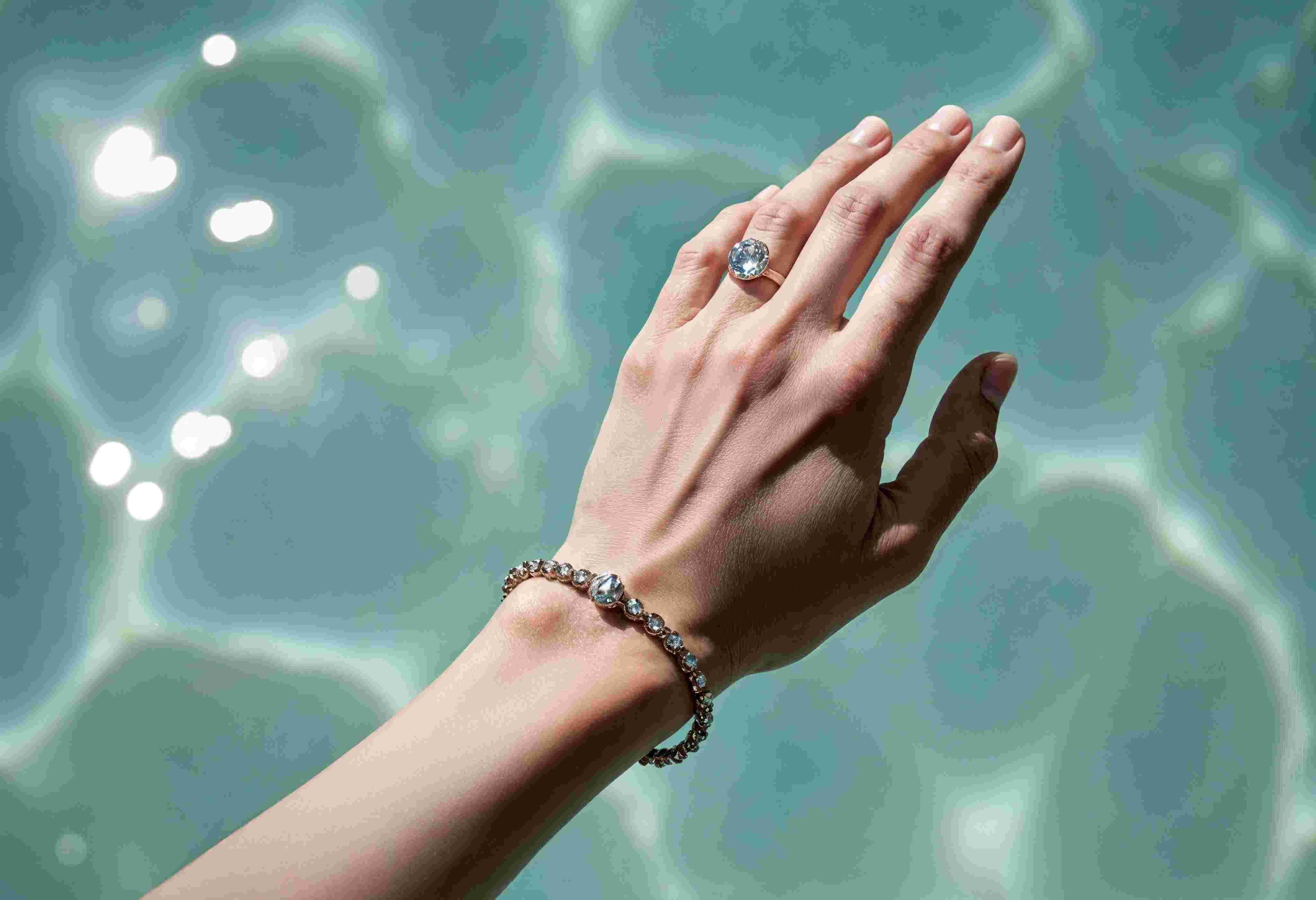
Bangle bracelets represent one of jewelry's oldest and most enduring forms, with archaeological evidence showing their use across ancient civilizations worldwide. These circular adornments slip over the hand onto the wrist, creating elegant lines that enhance arm movement and complement various fashion styles. From substantial statement pieces to delicate stacking sets, bangle bracelets offer versatility that explains their continued popularity through millennia.
The Timeless Appeal of Bangles
Bangle bracelets distinguish themselves from other bracelet types through their rigid, circular structure. Unlike flexible chain bracelets, bangles maintain their shape, creating sculptural presence on the wrist. This rigidity allows for bold design elements—intricate engravings, substantial width, and decorative embellishments—that might prove impractical in flexible jewelry. The simplicity of the circular form provides canvas for endless artistic interpretation.
The history of bangle bracelets spans cultures and continents. Ancient Egyptians wore bangles as status symbols and protective amulets. In South Asian traditions, bangle bracelets carry deep cultural significance, with married women wearing specific styles as marital indicators. Roman women adorned themselves with snake-shaped bangles, while African cultures developed distinctive bangle traditions reflecting tribal identity and social standing.
Modern bangle bracelets honor these rich traditions while embracing contemporary aesthetics. Designers create pieces ranging from minimalist circles that emphasize metal's inherent beauty to elaborate works incorporating gemstones, mixed materials, and innovative closure mechanisms. This spectrum ensures bangle bracelets remain relevant across age groups, style preferences, and cultural contexts, adapting to fashion evolution while maintaining timeless essence.
Materials and Styles in Bangle Bracelets
Gold bangle bracelets epitomize luxury and traditional elegance. Available in yellow, white, and rose gold variations, these pieces suit both everyday wear and special occasions. The karat weight affects both appearance and durability—24-karat gold offers richest color but less hardness, while 14-karat provides practical durability for daily wearing. Many gold bangle bracelets feature hollow construction reducing weight and cost while maintaining substantial appearance.
Silver bangle bracelets provide accessible elegance with cool, contemporary appeal. Sterling silver's malleability allows for intricate detailing and diverse finish options—from mirror-polished shine to deliberately oxidized antique appearances. The affordability of silver bangle bracelets enables collection building, with wearers acquiring multiple pieces for stacking and varied styling options without significant investment.
Mixed-metal bangle bracelets combine different precious metals, creating visual interest through contrast. Popular combinations include silver and gold, rose gold and yellow gold, or all three metals together. These pieces offer versatility, coordinating with various jewelry collections and allowing wearers to mix traditionally separate metal families without aesthetic conflict.
Alternative materials expand bangle bracelets beyond precious metals. Wood bangles provide organic, bohemian appeal perfect for casual styling. Resin and acrylic options deliver bold colors and patterns impossible in metal, while enamel overlays on metal bases combine both material advantages. Leather-wrapped bangle bracelets offer textural interest and casual elegance, particularly popular in men's jewelry but increasingly adopted in women's designs.
Design Variations and Embellishments
Plain polished bangle bracelets showcase metal's inherent beauty through simple, unadorned circles. These minimalist pieces work beautifully individually or stacked in multiples, creating impact through repetition rather than ornamentation. The purity of form appeals to those favoring understated elegance and modern design sensibilities.
Textured and patterned bangle bracelets add visual interest through surface manipulation. Hammered finishes create light-catching facets across the surface. Engraved patterns ranging from geometric repeats to flowing florals demonstrate artisan skill. Some bangle bracelets feature twisted or braided metal, intertwining multiple strands into unified circular forms that add dimensional complexity.
Gemstone-embellished bangle bracelets elevate pieces into precious jewelry territory. Diamonds, either pave-set covering entire surfaces or arranged in specific patterns, create luxurious sparkle. Colored gemstones—emeralds, rubies, sapphires—add vibrant focal points. Semi-precious stones like turquoise, coral, or mother-of-pearl provide color at accessible price points while maintaining genuine stone's appeal.
Hinged and clasp-closure bangle bracelets address the practical challenge of rigid circles—fitting over hands. These designs incorporate subtle hinges allowing bangles to open for wearing, then close securely on wrists. This innovation permits wider designs and tighter fits impossible with slip-on styles, while maintaining bangles' characteristic rigid appearance when worn.
The Art of Stacking Bangle Bracelets
Stacking multiple bangle bracelets creates personalized arm compositions that range from subtle elegance to bold statements. The practice draws inspiration from traditional cultures where women wear dozens of bangles simultaneously, producing characteristic jingling sounds with movement. Contemporary stacking interprets this tradition with modern sensibilities, balancing impact with wearability.
Successful stacking of bangle bracelets requires consideration of several factors. Mixing widths creates visual interest—combine thin and thick bangles rather than using identical pieces. Vary finishes and textures, alternating polished surfaces with hammered or matte options. The number of pieces depends on personal preference and comfort, with some preferring minimal three-bangle arrangements while others embrace fuller coverage.
Metal mixing in stacked bangle bracelets once broke traditional jewelry "rules" but now represents mainstream styling. Combine gold and silver pieces freely, add rose gold for warm contrast, or incorporate mixed-metal bangles that bridge different metal families. This approach maximizes jewelry wardrobe utility, eliminating need to coordinate strictly with other accessories.
Creating themed stacks allows bangle bracelets to tell stories. Dedicate one set to travel memories with bangles collected from different destinations. Build family heirlooms into contemporary stacks, honoring tradition while styling for current fashion. Seasonal rotations keep the look fresh—lighter, thinner bangles for summer; substantial, warmer-toned pieces for winter.
Sizing and Comfort Considerations
Proper sizing ensures bangle bracelets wear comfortably without risk of loss. Measure at the hand's widest point—typically across knuckles when thumb touches pinky finger. Bangles must slip over this measurement but fit more snugly once on the wrist. Most women wear sizes ranging from 2.4 to 2.8 inches in diameter, though individual variation exists.
The comfort of bangle bracelets relates to both size and internal finish. Bangles should rotate freely on wrists without excessive looseness that causes constant sliding and potential loss. Interior surfaces should be smooth, without rough edges or sharp decoration that irritates skin. Heavier bangles require slightly looser fits than delicate pieces, as weight makes tightness more noticeable.
Caring for Bangle Bracelets
Maintenance needs vary by material. Gold bangle bracelets require minimal care—occasional gentle cleaning with mild soap and water maintains luster. Silver pieces need regular polishing to combat tarnish, using specialized silver cloths or solutions. Store bangles individually in soft pouches preventing scratches from contact with other jewelry.
Gemstone-set bangle bracelets demand additional care protecting stones. Avoid harsh chemicals, extreme temperatures, and impacts that might loosen settings or chip stones. Professional inspection annually ensures prongs remain secure and stones stay properly positioned. Wood and alternative-material bangles often require specific care instructions from manufacturers, as improper cleaning can cause irreparable damage.
Cultural Significance and Modern Wearing
Bangle bracelets carry profound meaning in various cultural contexts. South Asian weddings feature elaborate bangle ceremonies where brides receive multiple bangles in auspicious colors. In some traditions, the sound of bangles indicates a woman's married status, making their presence culturally significant beyond mere adornment. Contemporary wearers may honor these traditions while adapting practices to personal circumstances and preferences.
Modern styling liberates bangle bracelets from strict cultural prescriptions while respecting their significance. Women of all backgrounds embrace bangles for their aesthetic appeal, whether or not participating in traditional practices. This democratization celebrates bangle bracelets' universal beauty while acknowledging diverse cultural origins that enriched jewelry history.
Bangle bracelets endure as jewelry staples precisely because they balance simplicity with impact, tradition with innovation. Their circular form contains infinite design possibilities, while their cultural richness adds depth beyond surface beauty. Whether wearing a single statement piece or multiple stacked bangles, these timeless adornments enhance personal style with sculptural elegance that has captivated humanity for millennia.


