 English
 Arabic
 French
 Spanish
 Portuguese
 Deutsch
 Turkish
 Dutch
Dutch
 Italiano
 Russian
 Romaian
 Portuguese (Brazil)
 Greek
Greek
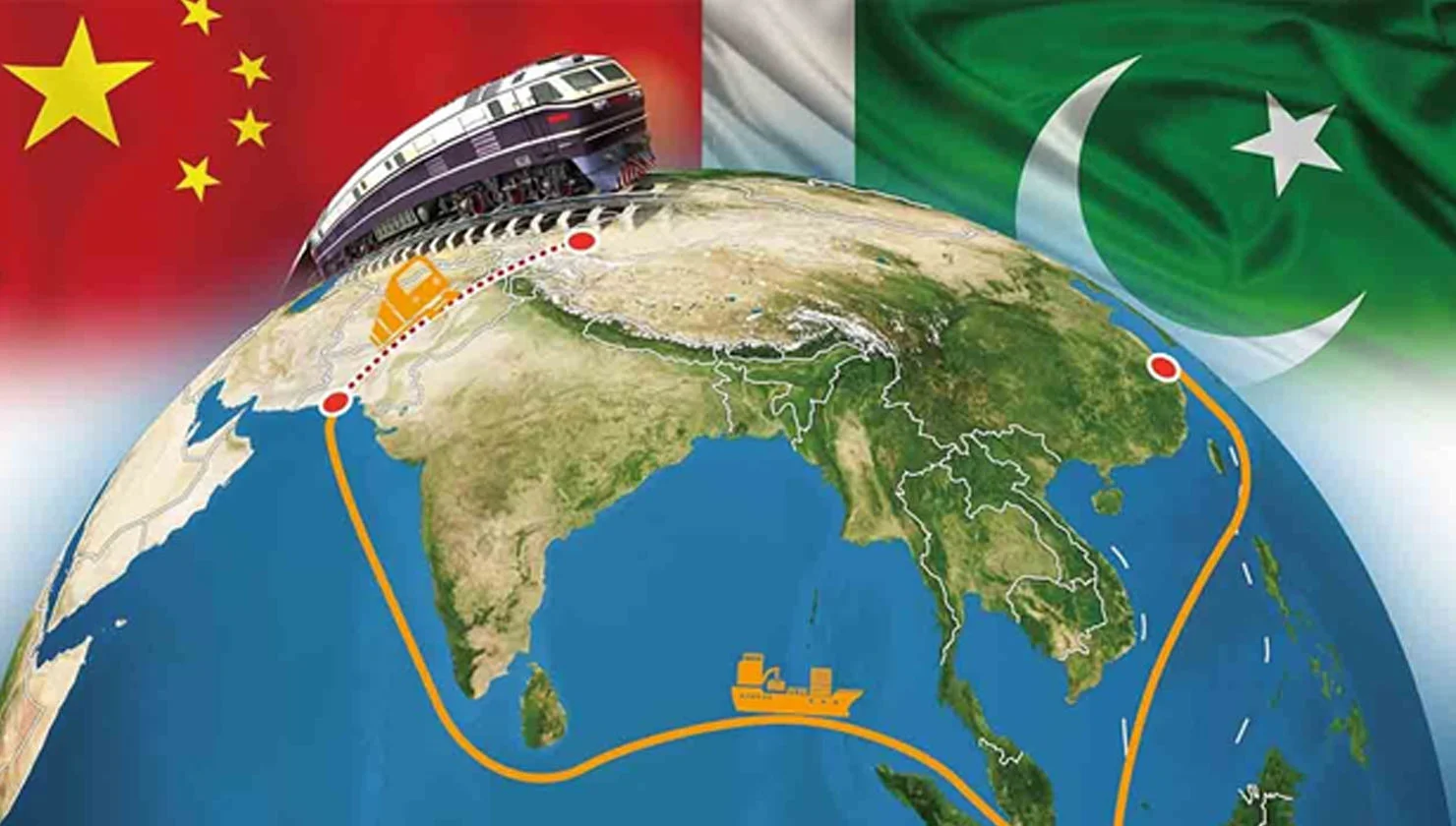
The China-Pakistan Economic Corridor (CPEC) is considered one of the most transformative initiatives in South Asia, reshaping Pakistan’s economic, industrial, and infrastructural landscape. As a flagship project of China’s Belt and Road Initiative (BRI), CPEC connects western China to the strategic Gwadar Port in Pakistan, creating a modern trade route that shortens delivery times for goods and enhances connectivity with global markets. The corridor has attracted international attention due to its potential to boost economic growth, promote regional trade, and strengthen Pakistan’s position in global geopolitics.
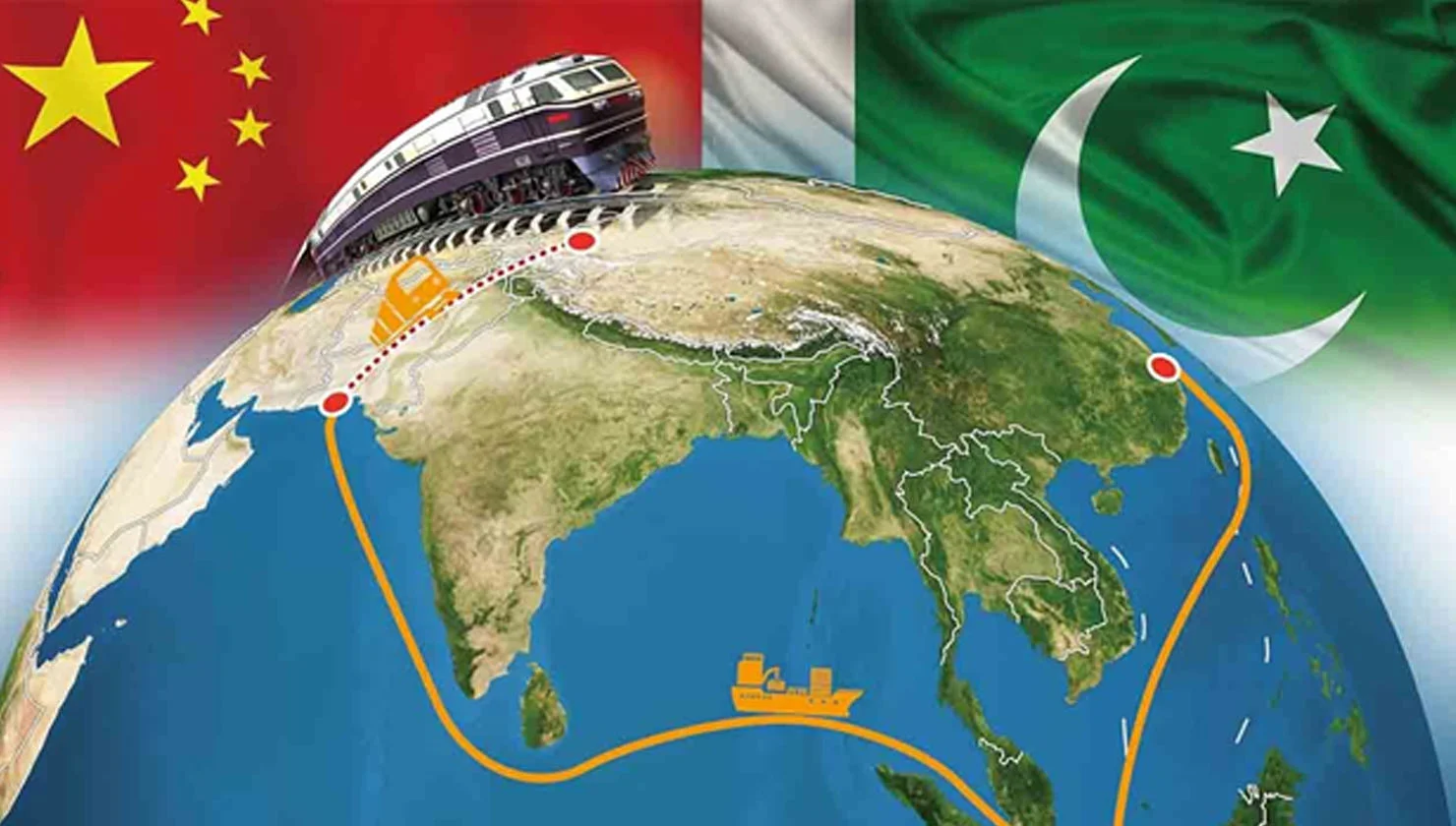
Through the construction of roads, highways, railways, energy projects, and industrial zones, CPEC has become a cornerstone for Pakistan’s economic strategy. The initiative aims not only to enhance trade and investment but also to create employment, develop industrial hubs, and modernize infrastructure in previously underdeveloped regions. By improving logistics, energy supply, and transportation networks, CPEC provides Pakistan with the tools to strengthen its industrial and commercial sectors while fostering regional integration.
Is CPEC Strengthening Industrial Growth and Trade in Pakistan?
China-Pakistan Economic Corridor has had a profound impact on industrial development and trade facilitation in Pakistan. The corridor’s infrastructure projects, including motorways, highways, and railways, reduce logistical bottlenecks and improve transportation efficiency across the country. This connectivity supports the movement of goods from industrial zones to domestic and international markets, lowering transportation costs and expanding commercial opportunities.
Energy projects under CPEC, such as coal-fired plants, hydropower projects, and renewable energy initiatives, play a vital role in addressing Pakistan’s longstanding power shortages. Reliable energy supply is essential for industrial growth, and CPEC ensures that factories, manufacturing units, and commercial enterprises can operate efficiently without frequent disruptions. These projects also attract foreign direct investment, as businesses seek stable environments for production and expansion.
Gwadar Port is a central element of CPEC, offering Pakistan a deep-sea port with strategic access to international shipping routes. This port facilitates the export of goods, import of raw materials, and overall trade efficiency. Combined with newly developed roads and logistics networks, Gwadar Port is positioning Pakistan as a regional trade hub, connecting South Asia to China, the Middle East, and Africa. Industrial zones along the corridor, including special economic zones (SEZs), provide employment, encourage entrepreneurship, and promote technology transfer, creating a ripple effect that benefits the broader economy.
Is CPEC Transforming Social, Technological, and Geopolitical Landscapes?
Beyond trade and industry, CPEC is influencing Pakistan’s social and technological development. Industrial and economic zones create jobs for local communities and offer training programs to enhance workforce skills. This knowledge transfer ensures that Pakistani workers are prepared for modern industrial and technological demands, contributing to sustainable development.
CPEC also introduces advanced technologies through Chinese collaboration, including automation, energy-efficient industrial practices, and modern logistics systems. These initiatives increase productivity and competitiveness, allowing Pakistan to integrate modern industrial solutions with local capabilities. Additionally, social infrastructure projects, such as healthcare facilities, housing for workers, and educational programs, provide tangible benefits to communities along the corridor.
On a geopolitical level, CPEC strengthens Pakistan’s strategic ties with China, positioning the country as a key partner in the Belt and Road Initiative. The corridor enhances regional connectivity and trade cooperation, reducing reliance on traditional trade routes and contributing to regional stability. While security and financial management remain challenges, CPEC fosters economic diplomacy and creates opportunities for Pakistan to assert its role as a regional economic leader.
By connecting underdeveloped regions like Balochistan and Khyber Pakhtunkhwa to major urban and industrial centers, CPEC promotes balanced regional development and inclusive economic growth. It also supports sustainable practices through clean energy projects and environmentally conscious industrial development, ensuring that progress aligns with long-term environmental and social goals.
Conclusion
The China-Pakistan Economic Corridor represents a transformative initiative that is reshaping Pakistan’s economic, social, and geopolitical future. By improving trade connectivity, boosting industrial growth, advancing technological development, and creating employment opportunities, CPEC is laying the foundation for sustainable and inclusive development.
While challenges such as security concerns, financing, and regional political dynamics exist, the corridor’s potential to strengthen Pakistan’s economy, modernize infrastructure, and enhance its regional influence is undeniable. As CPEC projects continue to progress, they promise long-term benefits for Pakistan and its neighbors, offering a model for regional cooperation, industrial development, and strategic growth in South Asia.
More Info: https://eng.yidaiyilu.gov.cn/


