 English
 Arabic
 French
 Spanish
 Portuguese
 Deutsch
 Turkish
 Dutch
Dutch
 Italiano
 Russian
 Romaian
 Portuguese (Brazil)
 Greek
Greek
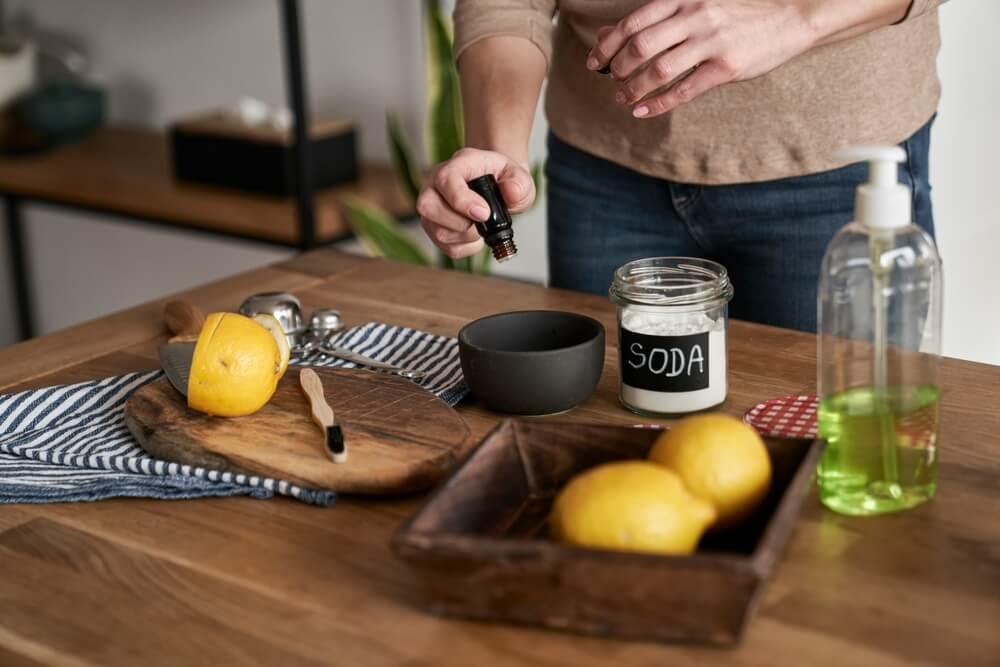
DIY cleaning tips are everywhere Pinterest boards, TikTok hacks, well-meaning group chats. For busy, working parents, they’re especially tempting: cheap, “natural,” and quick. But here’s the uncomfortable truth many people learn the hard way that some DIY cleaning solutions can damage your home, waste your time, or even create health risks.
This guide breaks down when DIY cleaning backfires, why it happens, and what actually works so you can clean smarter, not harder, even on a packed schedule.
Why DIY Cleaning Can Be Risky (Even When It Sounds Harmless)
Many homemade cleaners are based on half-true chemistry. While ingredients like vinegar and baking soda sound safe, they’re not universally effective, and in some cases, they’re destructive. Homeowners often discover this after dealing with stained countertops, dulled floors, or lingering odours that won’t go away, issues that professional cleaning services Niagara frequently see when DIY solutions are overused or misapplied.
Common problems with DIY cleaners include:
- Surface damage that’s expensive to fix
- Ineffective cleaning that leaves bacteria behind
- Chemical reactions that release harmful fumes
- Extra time spent re-cleaning (a working parent’s nightmare)
Quick answer:
DIY cleaning solutions can make things worse when they damage surfaces, cancel each other out chemically, or fail to disinfect properly.
7 DIY Cleaning Combos That Backfire
1. Vinegar on Natural Stone (Granite, Marble, Quartz)
Why it’s a problem: Vinegar is acidic. Natural stone is porous.
What goes wrong:
- Etching (dull, cloudy spots)
- Permanent surface damage
Do this instead:
Use a pH-neutral stone cleaner or warm water with a drop of mild dish soap.
Parent-friendly tip: Keep one labelled spray bottle under the sink, just for stone, no guesswork when you’re tired.
2. Baking Soda + Vinegar (The Fizzy Myth)
It looks impressive, but…
Why doesn’t it work?
They neutralise each other, turning into mostly salty water.
Result:
Minimal cleaning power, especially on grease or bacteria.
Better option:
- Baking soda alone for scrubbing
- Vinegar alone for mineral buildup (on safe surfaces)
3. Lemon Juice on Hardwood Floors
Sounds fresh. Smells great. Bad idea.
What happens:
- Acid eats away at the floor finish
- Floors lose shine and protection
Safer choice:
A wood-specific cleaner or damp (not wet) microfiber mop.
4. Essential Oils as “Disinfectants”
Essential oils smell clean, but smelling clean ≠ being clean.
The risk:
- No proven disinfecting power
- Can irritate kids’ lungs or pets
Use them for:
Scent only, after proper cleaning.
5. Bleach + Anything Else (Especially Vinegar or Ammonia)
This one’s serious.
What can happen:
- Toxic gas release
- Breathing irritation or worse
Rule of thumb (easy to remember):
Bleach should only ever be mixed with water. Period.
6. DIY Glass Cleaners That Leave Streaks
Many recipes include too much vinegar or soap.
Result:
- Cloudy windows
- Sticky residue that attracts dirt
Simple fix:
Use diluted rubbing alcohol or a store-bought streak-free glass cleaner.
7. Homemade Laundry Boosters That Ruin Clothes
Borax, washing soda, and vinegar are all popular online.
Potential damage:
- Fabric weakening
- Color fading
- Washer buildup
Time-saving alternative:
Choose one high-quality detergent and skip the extras.
How to Clean Smarter When You’re Short on Time
The “Good Enough” Cleaning Rule
Your home does not need to be Pinterest-perfect. Focus on:
- Kitchen counters
- Bathrooms
- Floors where kids play
Everything else is optional.
Create a 3-Product Cleaning System.
For most households, you only need:
- All-purpose cleaner
- Bathroom disinfectant
- Glass cleaner
Label them clearly. Store them where you use them.
When DIY Does Make Sense
DIY isn’t the enemy, it just has limits.
Safe, practical DIY uses include:
- Baking soda for deodorising trash cans
- Vinegar for descaling kettles (not stone!)
- Mild soap + water for everyday wipe-downs
Quick answer:
DIY cleaning works best for light cleaning, deodorising, and maintenance, not disinfecting or speciality surfaces.
The Bottom Line for Working Parents
DIY cleaning isn’t about being “lazy” or “natural”, it’s about making informed choices that fit real life. When your time and energy are limited, the goal is a home that’s safe, functional, and clean enough not to be chemically experimental. Sometimes, the smartest shortcut is knowing when not to DIY, and when it makes sense to lean on trusted professionals like Hellamaid to keep your home consistently clean without adding stress to your already packed schedule.
FAQs
Is vinegar a good all-purpose cleaner?
No. Vinegar is acidic and can damage stone, wood, and some finishes.
Are DIY cleaners safer for kids?
Not always. Some mixtures create fumes or leave residues that irritate skin and lungs.
What’s the safest cleaner for busy parents?
A single, EPA-approved all-purpose cleaner used correctly is often safer and more effective than DIY mixes.
How can I save money without DIY cleaners?
Buy fewer products, use them as directed, and avoid damage that leads to costly repairs.

