English
 Arabic
 French
 Spanish
 Portuguese
 Deutsch
 Turkish
 Dutch
Dutch
 Italiano
 Russian
 Romaian
 Portuguese (Brazil)
 Greek
Greek
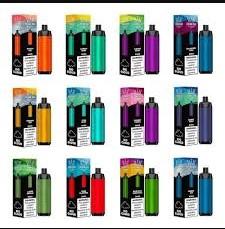
In discussions about electronic vaping devices, you may encounter terms like e‑liquid, VGOD e‑liquid, or nicotine salts. These terms appear frequently among adult vaping communities, retailers, and product descriptions. To make sense of these concepts — especially if you’re researching technology, chemistry, or health implications — it helps to understand what these substances are and how they function. VGOD E-liquid
This article explains, in a neutral and educational way, what e‑liquids are, what components they contain, how nicotine salt formulations work, and what experts say about health and safety. The focus is on information, not promotion.
What Is an E‑Liquid?
An e‑liquid (also called vape juice or e‑juice) is the liquid used in electronic vaporizer devices to create an aerosol that can be inhaled. These liquids are not burned like tobacco in cigarettes. Instead, they are heated by a coil in a device, producing vapor.
The primary components of e‑liquids include:
Base liquids such as vegetable glycerin (VG) and propylene glycol (PG)
Food‑grade flavorings
Optional nicotine or nicotine salts (if included)
The balance among these ingredients affects characteristics such as smoothness, throat sensation, and vapor density.
Vegetable Glycerin (VG) and Propylene Glycol (PG)
Vegetable glycerin (VG) is a viscous, sweet‑tasting liquid often derived from plant oils. It produces thicker vapor and can feel smoother in the throat.
Propylene glycol (PG) is thinner and carries flavor more effectively. It tends to provide a stronger throat sensation, somewhat similar to inhaling smoke.
E‑liquids typically combine VG and PG in specific ratios depending on desired performance. For example, a higher VG ratio may produce denser vapor, while a higher PG ratio may deliver stronger flavor and throat feel.
Flavorings in E‑Liquids
Flavors are created using food‑grade compounds similar to those used in candies, baked goods, beverages, and other edible products. However, food‑safe does not necessarily mean inhalation‑safe. Inhalation exposure to flavoring compounds is an area of ongoing research because the respiratory system responds differently to inhaled substances than the digestive system does.
Scientists emphasize that the inhalation of aerosolized flavorings is not equivalent to tasting a flavored food, and more research is needed to fully understand long‑term effects.
Nicotine Salt Formulations
In addition to traditional freebase nicotine, many modern e‑liquids use nicotine salts. Nicotine salts occur naturally in tobacco leaves and can be combined with organic acids to create a more stable, smoother‑feeling compound when heated and inhaled.
Nicotine salt formulations are often used in lower‑powered devices, because they:
Allow for higher nicotine concentrations with less throat irritation
Provide smoother delivery at low wattage
Are often paired with draw‑activated pod systems
While nicotine salt technology is technically interesting, it’s crucial to understand that nicotine itself is an addictive substance.
Health and Addictive Potential
Public health authorities worldwide emphasize that nicotine is addictive, and the use of nicotine products carries health implications, especially in young people and individuals not already using nicotine.
Important points include:
Nicotine exposure during adolescence can affect brain development.
Nicotine can contribute to increased heart rate and blood pressure.
There is no nicotine delivery method that is completely risk‑free.
For individuals considering alternatives to combustible tobacco products, nicotine replacement therapies (such as patches, gum, or prescribed medications) are options supported by scientific evidence when used under medical guidance.
Experts do not recommend vaping or nicotine‑containing products for people who do not already use nicotine.
Why Some Adults Discuss Nicotine Salt E‑Liquids
Many adults who vape do so as part of a harm reduction conversation, especially those transitioning away from traditional cigarettes. Public health evidence suggests that, for current adult smokers, completely switching to non‑combustion nicotine delivery systems may reduce exposure to some harmful combustion byproducts found in burned tobacco.
However:
These systems are not free of health risks.
Vapor inhalation involves exposure to heated chemicals.
Long‑term effects are still being studied.
Understanding the distinction between reduced combustion toxins and no risk at all is essential.
Regulatory Context
Regulations governing e‑liquids and vaping devices vary widely by country and region. Common regulatory measures include:
Age restrictions for purchase and use
Labeling requirements and health warnings
Limits on nicotine concentrations
Restrictions on advertising and promotion
In many jurisdictions, products containing nicotine cannot be sold to minors, and packaging must include health warning statements.
Always ensure compliance with local laws when discussing or encountering e‑liquid products.
Environmental and Disposal Considerations
Disposable e‑liquid cartridges and devices often contain:
Plastic components
Battery cells
Liquid reservoirs
These components can contribute to electronic waste if not disposed of responsibly. Professionals recommend:
Recycling batteries according to local electronic waste guidelines.
Avoiding disposal of electronic devices in household trash.
Supporting recycling initiatives where available.
Environmental impact is an important consideration in the life cycle of portable devices and cartridges.
Conclusion
The term VGOD e‑liquid refers to e‑liquid formulations associated with vape culture and brand identities within the vaping community. These products are built on a foundation of base liquids (VG and PG), flavorings, and sometimes nicotine or nicotine salt formulations. While many adults discuss these products in the context of device performance and flavor variety, it’s important to understand the chemistry, health considerations, and regulatory context behind them.
Nicotine is addictive, and inhalation of vapor carries health implications that are still being studied. These products are intended for adults of legal age, and public health guidance emphasizes that non‑smokers, youth, and individuals not already using nicotine should not start using such products.
This article is provided for informational purposes only, offering context and factual explanation without promoting or encouraging use of any particular product.