 English
 Arabic
 French
 Spanish
 Portuguese
 Deutsch
 Turkish
 Dutch
Dutch
 Italiano
 Russian
 Romaian
 Portuguese (Brazil)
 Greek
Greek
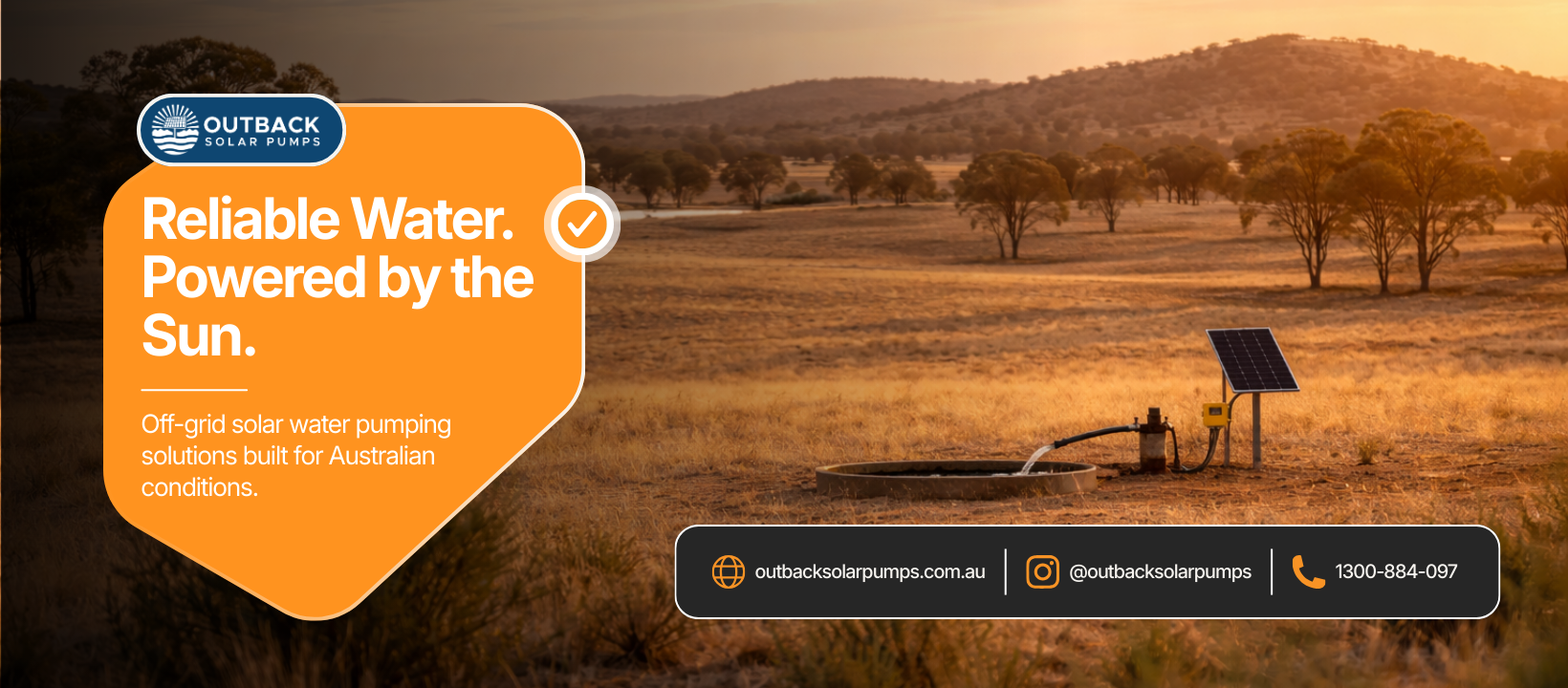
Rising energy costs are a growing concern for farmers and landowners across Australia, particularly in rural and remote areas where access to affordable power can be limited. Traditional water pumping systems, especially those powered by diesel or grid electricity, often come with ongoing expenses that can significantly impact operational budgets. Outback solar pumps provide a practical solution to this challenge by harnessing renewable energy to deliver water efficiently while dramatically reducing long-term energy costs. Get more insights on solar water pump.
One of the most immediate ways solar pumps reduce expenses is by eliminating the need for fuel. Diesel-powered pumps require constant refueling, and the cost of transporting fuel to remote properties can quickly add up. In addition to the fuel itself, there are maintenance costs associated with engines, including oil changes, part replacements, and servicing. Solar pumps remove these ongoing expenses by using sunlight as their primary energy source, which is completely free and readily available across most parts of Australia.
Grid-powered systems can also be costly, particularly when properties are located far from existing infrastructure. Extending power lines to remote areas often involves significant upfront investment, and ongoing electricity bills can fluctuate depending on usage and energy prices. Solar pumps bypass these issues entirely by operating independently of the grid. Once installed, they provide a stable and predictable energy solution that is not affected by rising electricity tariffs.
Another important factor is the efficiency of modern solar pumping systems. Advances in technology have made these systems highly effective at converting solar energy into usable power, allowing them to operate reliably even in less-than-ideal conditions. Many systems are designed to pump water during daylight hours and store it in tanks for later use, reducing the need for energy storage solutions like batteries. This approach keeps system costs lower while ensuring a consistent water supply.
Maintenance savings also contribute to the overall cost reduction. Solar pumps typically have fewer mechanical components compared to diesel engines, which means there is less wear and tear over time. With minimal servicing requirements, farmers can spend less time and money on repairs and more time focusing on their core operations. This reliability is especially valuable in remote locations where access to repair services may be limited.
In addition to direct financial benefits, solar pumps can also enhance property value and long-term sustainability. By investing in renewable energy infrastructure, landowners position themselves for future cost stability while reducing their environmental impact. This can be an important consideration as agricultural practices continue to shift toward more sustainable and energy-efficient solutions.
Overall, Outback solar pumps offer a smart and cost-effective way for farmers and landowners to manage their water needs while significantly lowering energy expenses. Their combination of low operating costs, reliability, and sustainability makes them an increasingly popular choice for modern agricultural operations across Australia.


