English
 Arabic
 French
 Spanish
 Portuguese
 Deutsch
 Turkish
 Dutch
Dutch
 Italiano
 Russian
 Romaian
 Portuguese (Brazil)
 Greek
Greek
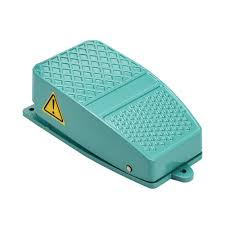
In modern industrial, medical, and creative applications, the demand for hands-free operation is increasing rapidly. The foot switch has become an essential tool for controlling machines and devices while keeping the operator’s hands free. Its design allows for precise and reliable actuation, making it highly valuable in environments where efficiency, safety, and multitasking are critical. From manufacturing floors to music studios and medical facilities, foot switches deliver convenience and functionality that traditional hand-operated controls cannot match.
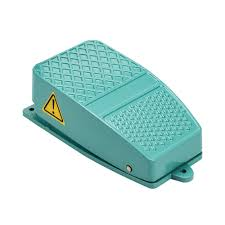
A foot switch converts pressure applied with the foot into an electrical signal to activate machinery or equipment. This hands-free approach enhances workflow, especially in situations where the operator must manage tasks requiring full hand use. The combination of ergonomic design, durability, and reliable performance makes the foot switch a vital component across a wide range of industries.
Foot Switch Design and Functional Advantages
The main advantage of a foot switch lies in its ergonomic and user-friendly design. Most foot switches consist of a pedal or lever connected to a durable housing that contains electrical contacts or micro-switches. Pressing the pedal closes or opens the circuit, allowing the operator to control equipment without using their hands. This design reduces fatigue, increases productivity, and ensures safe operation even in high-demand environments.
Durability is another significant benefit. Foot switches are built to withstand repetitive use over long periods, making them ideal for industrial machinery, medical devices, and performance-based applications. Many designs include non-slip surfaces or textured pedals to prevent accidents during operation. Some advanced models allow adjustable resistance or pedal travel, enabling users to customize the switch according to their comfort and application needs.
Electrical versatility also contributes to the foot switch’s effectiveness. Modern switches often integrate micro-switches or solid-state components, providing reliable and consistent actuation. Some models feature multiple pedals or programmable outputs, allowing the control of several functions simultaneously or sequentially. This adaptability makes foot switches suitable for both simple and complex operational systems.
Foot Switch Applications Across Industries
Foot switches are widely applied due to their hands-free convenience and precision. In industrial settings, they control conveyor belts, presses, and automated machinery. By allowing operators to maintain hand use, foot switches improve efficiency and reduce the risk of injury when handling heavy or delicate equipment. They are particularly essential in high-volume production lines where precision and speed are crucial.
In the medical field, foot switches play a vital role in surgeries, dental procedures, and diagnostic testing. Surgeons and healthcare professionals use them to operate devices such as surgical drills, imaging equipment, or lasers while maintaining sterile conditions. Hands-free control ensures both safety and accuracy, reducing the risk of contamination and improving procedural efficiency.
In creative and performance environments, foot switches are commonly used in music and audio applications. Musicians rely on them to control sound effects, mixers, or recording equipment, enabling smooth and dynamic performances. Sound engineers and DJs also use foot switches to operate audio devices hands-free, providing precision control during live events or studio work.
Foot switches also have practical applications in home and office automation. They can manage lighting, control ergonomic furniture, or activate specialized equipment in workshops and craft spaces. This hands-free operation improves convenience and supports efficient multitasking in everyday settings.
Foot Switch Selection and Technical Considerations
Selecting the right foot switch requires careful evaluation of technical and ergonomic factors. Electrical ratings must match the connected device’s voltage and current requirements, while pedal size, resistance, and travel distance influence comfort and usability. Environmental conditions, such as exposure to moisture, dust, or chemicals, may require sealed or ruggedized models to ensure reliable operation.
Integration with existing systems is another consideration. Many foot switches are designed for compatibility with programmable logic controllers (PLCs), microcontrollers, or standard electrical interfaces. Advanced models may offer programmable outputs, allowing precise control over multiple functions. Choosing a high-quality foot switch ensures long-term reliability, consistent performance, and minimal maintenance requirements.
Investing in a durable foot switch improves productivity and safety while reducing operational downtime. Its combination of versatility, reliability, and ergonomic design makes it a cost-effective solution for industrial, medical, and creative applications.
Conclusion
The Foot Switch is a versatile, reliable, and ergonomic solution for hands-free control across industrial, medical, and creative applications. Its precise actuation, durability, and design flexibility make it an indispensable tool for improving efficiency, safety, and workflow. By enabling operators to control devices without using their hands, foot switches enhance multitasking capabilities and optimize performance in demanding environments.
Choosing the right foot switch ensures reliable operation, long-term durability, and smooth integration with various systems. With its practical design and dependable functionality, the foot switch continues to be an essential component for modern hands-free control solutions.