 English
 Arabic
 French
 Spanish
 Portuguese
 Deutsch
 Turkish
 Dutch
Dutch
 Italiano
 Russian
 Romaian
 Portuguese (Brazil)
 Greek
Greek
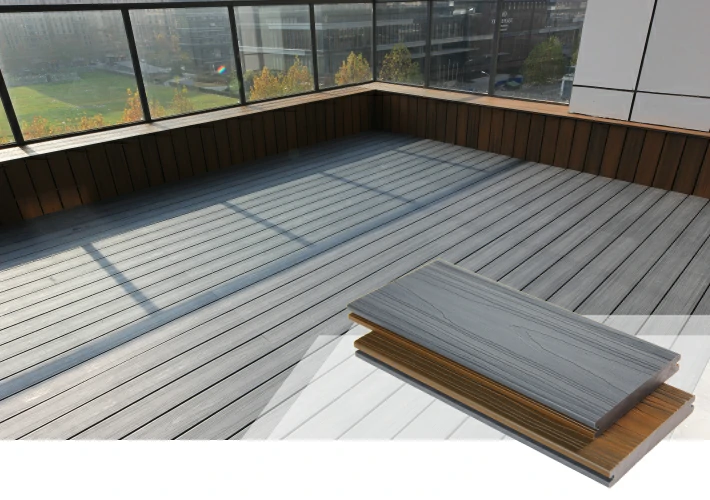
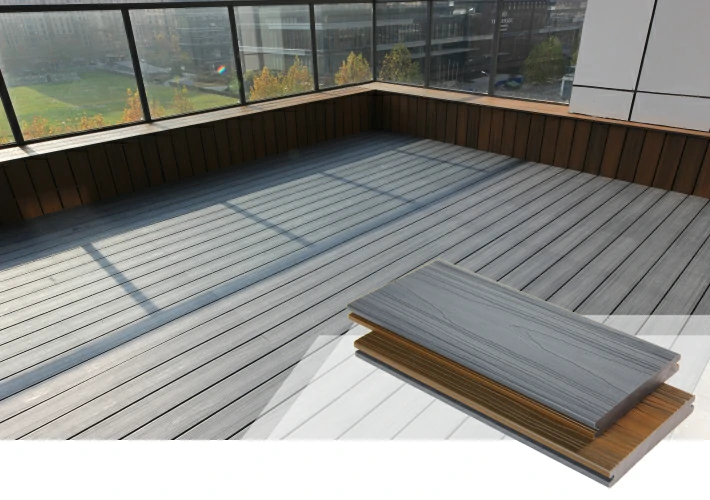
Composite decking has become one of the most widely used materials in modern outdoor construction due to its durability, aesthetic appeal, and low-maintenance properties. As homeowners increasingly invest in outdoor living spaces such as patios, terraces, garden decks, and poolside areas, composite decking offers a practical and visually appealing alternative to traditional wood. Made from a combination of recycled wood fibers and plastic polymers, composite decking delivers the natural look of timber while overcoming many of its long-term weaknesses.
Is composite decking a better alternative to traditional wood decking?
composite decking is widely considered a superior alternative to traditional wood decking because it solves many of the challenges associated with natural timber. While wood decks are valued for their authentic and warm appearance, they require frequent maintenance and are highly vulnerable to weather-related damage, including rot, warping, and insect infestation. Composite decking provides a modern solution that maintains the beauty of wood while significantly improving performance and lifespan.
One of the most important advantages of composite decking is its resistance to moisture. Traditional wood absorbs water easily, which leads to swelling, cracking, and decay over time. Composite decking boards are engineered with protective polymer materials that reduce water absorption, making them highly suitable for outdoor environments exposed to rain, humidity, and temperature fluctuations.
Another key benefit is long-term color stability. Wooden decks often fade when exposed to sunlight and require regular staining or sealing to maintain their appearance. Composite decking is designed with UV-resistant technology that helps preserve its original color and finish for many years. This ensures that outdoor spaces remain visually attractive with minimal upkeep.
Composite decking also provides a more consistent appearance compared to natural wood. Because wood is an organic material, it often contains knots, cracks, and irregular grain patterns. Composite materials are manufactured under controlled conditions, resulting in a smooth, uniform surface that enhances modern outdoor design aesthetics.
Does composite decking improve durability and long-term outdoor performance?
Durability is one of the strongest reasons why composite decking is preferred for modern outdoor projects. It is engineered to withstand harsh environmental conditions while maintaining structural stability and visual appeal over time.
Unlike traditional wood, which expands and contracts with changes in temperature and humidity, composite decking maintains its shape and structure. This dimensional stability reduces the risk of warping, splitting, or cracking, ensuring that outdoor surfaces remain safe and visually consistent for many years.
Composite decking is also highly resistant to insect damage. Termites and other wood-boring insects can severely damage natural wood structures, but composite materials are not a food source for pests. This significantly reduces the risk of infestation and extends the overall lifespan of the decking.
Low maintenance requirements further enhance its durability benefits. Traditional wood decks require regular sanding, sealing, and painting to protect them from environmental damage. Composite decking eliminates most of these maintenance needs. Simple cleaning is usually enough to maintain its appearance, making it ideal for homeowners seeking long-term convenience and reduced upkeep costs.
Safety is another important performance advantage. Many composite decking surfaces are designed with textured finishes that improve grip, even in wet conditions. This makes them suitable for poolside areas, garden walkways, and outdoor entertainment spaces where slip resistance is essential.
Can composite decking enhance modern outdoor design and sustainability?
Composite decking plays a major role in modern landscape and architectural design by combining functionality with visual appeal. Its versatility allows it to be used in a wide range of outdoor applications, including residential patios, rooftop terraces, balconies, and commercial outdoor spaces.
From a design perspective, composite decking is available in various colors, textures, and wood-inspired finishes. This allows homeowners and designers to create customized outdoor environments that match different architectural styles, from contemporary minimalism to traditional garden aesthetics. The consistent surface finish ensures a clean, polished, and cohesive outdoor look.
Another important design advantage is its ability to integrate with other outdoor materials such as stone, metal, and glass. This flexibility allows for creative landscaping designs that enhance the overall visual appeal of outdoor spaces while maintaining functional performance.
Sustainability is also a key benefit of composite decking. Many products are manufactured using recycled wood fibers and reclaimed plastics, reducing the demand for newly harvested timber. This eco-friendly production process helps conserve forests and supports responsible material usage in the construction industry.
In addition to its recycled content, composite decking contributes to sustainability through its long lifespan. Because it does not require frequent replacement or intensive maintenance, it reduces material waste over time. This makes it a more environmentally responsible choice compared to traditional wood decking systems.
Composite decking also enhances outdoor comfort. Its smooth, splinter-free surface makes it safe for barefoot walking, children, and pets. This practical benefit increases its usability in family homes and recreational outdoor areas where safety and comfort are important.
Is composite decking a cost-effective long-term investment for homeowners?
Although composite decking may require a higher initial investment compared to traditional wood, it offers significant long-term financial benefits that make it a cost-effective choice for homeowners.
One of the main cost-saving advantages is reduced maintenance. Wooden decks require ongoing treatments such as staining, sealing, and repainting to maintain their condition. These recurring expenses can accumulate significantly over time. Composite decking eliminates most of these maintenance costs, providing long-term savings.
Another important financial benefit is durability. Because composite decking is resistant to rot, moisture damage, and insect infestation, it lasts much longer than traditional wood. This extended lifespan reduces the need for frequent repairs or replacements, making it a more economical solution over time.
Composite decking also helps enhance property value. A well-designed outdoor living space significantly improves curb appeal and overall home attractiveness. In modern real estate markets, outdoor spaces are considered valuable extensions of living areas, and composite decking is often viewed as a premium feature.
Installation efficiency further contributes to its cost-effectiveness. Composite decking systems are designed for straightforward installation, which reduces labor time and overall project costs. Once installed, the structure requires minimal maintenance, offering long-term financial and practical benefits.
Conclution
Composite decking has become a leading solution for modern outdoor living spaces due to its combination of durability, design flexibility, and low maintenance requirements. Its resistance to weather, insects, and fading makes it a reliable alternative to traditional wood decking.
With added benefits such as sustainability, safety, and long-term cost efficiency, composite decking continues to gain popularity among homeowners and designers worldwide. Although the initial cost may be higher, its extended lifespan and reduced upkeep make it a smart and future-ready investment.


