 English
 Arabic
 French
 Spanish
 Portuguese
 Deutsch
 Turkish
 Dutch
Dutch
 Italiano
 Russian
 Romaian
 Portuguese (Brazil)
 Greek
Greek
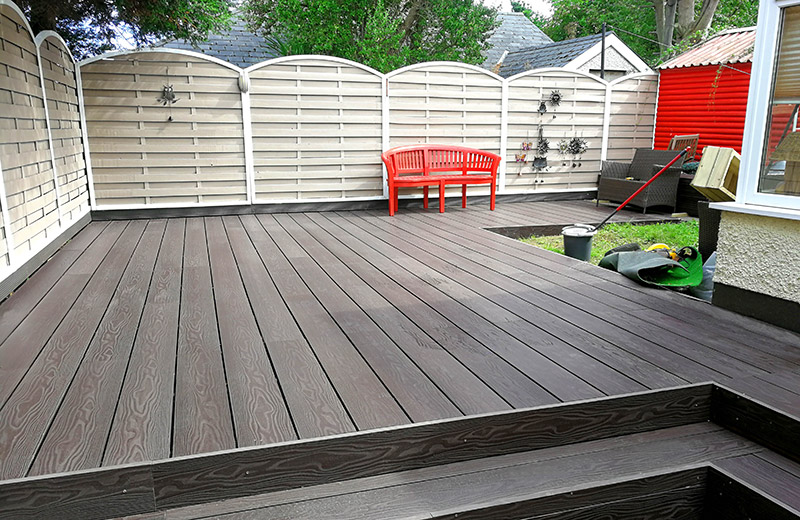
The popularity of composite decking has grown significantly in modern construction and landscaping due to its ability to combine durability, aesthetics, and low maintenance in a single solution. Composite decking is an engineered outdoor flooring material made from a blend of wood fibers, recycled plastics, and binding resins. This combination is designed to replicate the natural beauty of wood while offering far greater resistance to weather, moisture, and wear over time.
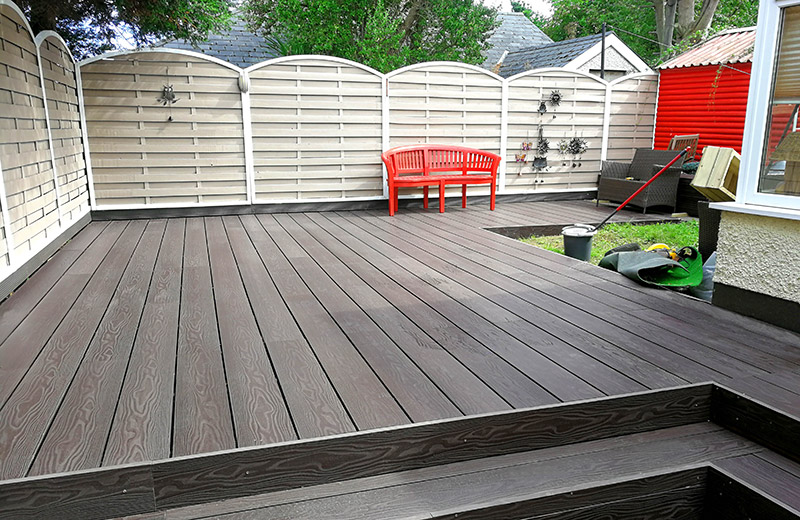
One of the key advantages of composite decking is its strong resistance to environmental damage. Traditional wood decking often suffers from issues such as rotting, warping, cracking, and insect infestation when exposed to moisture and changing weather conditions. In contrast, composite decking is engineered to remain stable and durable even in harsh outdoor environments, making it ideal for patios, terraces, pool decks, and garden walkways.
Another major benefit of composite decking is its consistent visual appeal. Manufacturers use advanced surface texturing and color blending techniques to create realistic wood grain finishes that closely resemble natural timber. This allows homeowners to achieve a premium outdoor aesthetic without the ongoing maintenance required by real wood surfaces. Over time, composite decking retains its appearance far better than traditional wood, which tends to fade and degrade under sunlight exposure.
Sustainability also plays an important role in the growing demand for composite decking. Many products are manufactured using recycled materials, including reclaimed wood fibers and plastics, reducing environmental waste and promoting eco-friendly building practices. This makes composite decking an attractive choice for environmentally conscious homeowners seeking long-lasting and sustainable outdoor solutions.
In addition to durability and sustainability, composite decking also offers excellent resistance to biological damage. Unlike natural wood, it is not susceptible to termites, fungi, or other pests that commonly degrade outdoor structures. This further enhances its lifespan and reduces the need for ongoing repairs and treatments.
Composite Decking Installation Process and Weather Resistance Features
The installation of composite decking is designed to be efficient, precise, and long-lasting. Modern systems often use hidden fastening clips or interlocking mechanisms that create a smooth, seamless surface without visible nails or screws. This not only improves the visual appeal of the deck but also enhances safety by eliminating exposed fasteners that could cause injury or surface irregularities.
Weather resistance is one of the most important performance characteristics of composite decking. It is engineered to withstand extreme environmental conditions, including heavy rainfall, snow, heat, and humidity. Unlike traditional wood, which expands and contracts significantly with moisture changes, composite decking maintains its structural stability throughout seasonal variations.
Moisture resistance is particularly important in outdoor applications. Composite decking is designed to minimize water absorption, preventing problems such as swelling, mold growth, and internal decay. This makes it especially suitable for poolside areas, coastal properties, and regions with high humidity levels where traditional wood decking often deteriorates quickly.
UV resistance is another essential feature. Prolonged exposure to sunlight can cause fading and surface damage in many outdoor materials, but high-quality composite decking is engineered to resist ultraviolet radiation. This ensures that outdoor spaces maintain their original color and finish for many years, even under intense sun exposure.
Safety is also a major advantage of composite decking. Unlike wood, it does not splinter, making it safer for barefoot use in residential environments. Many products also include slip-resistant surfaces, which provide added protection in wet conditions, making them ideal for families and high-traffic outdoor areas.
Composite Decking Design Trends and Long-Term Value Benefits
Modern outdoor architecture has significantly increased the demand for composite decking, as homeowners increasingly view outdoor areas as extensions of indoor living spaces. These spaces are now designed for entertainment, relaxation, and dining, and composite decking plays a central role in creating functional and visually appealing environments.
Design flexibility is one of the strongest advantages of composite decking. It can be used to create multi-level decks, curved layouts, built-in seating, garden platforms, and outdoor kitchen areas. This versatility allows architects and designers to customize outdoor spaces according to lifestyle needs and architectural style preferences.
The variety of available finishes and colors further enhances design possibilities. Composite decking is offered in natural wood tones, modern greys, and darker contemporary shades, allowing seamless integration with different exterior design themes. This makes it suitable for both traditional homes and modern architectural projects.
Long-term value is another major reason for the increasing popularity of composite decking. Although the initial installation cost may be higher than traditional wood decking, the reduced maintenance requirements and extended lifespan result in significant long-term savings. Homeowners avoid recurring expenses such as staining, sealing, painting, and frequent repairs.
Property value enhancement is also an important benefit. A well-designed outdoor space using composite decking can significantly improve curb appeal and increase overall property value. In competitive real estate markets, attractive and functional outdoor living areas are often considered premium features that attract buyers.
Composite Decking Maintenance and Durability Performance
One of the most appealing features of composite decking is its low maintenance requirement. Unlike wood decking, which requires regular sanding, staining, and sealing, composite decking only needs occasional cleaning with water and mild soap to maintain its appearance. This makes it an ideal solution for homeowners seeking a long-lasting outdoor surface without continuous upkeep.
Durability is a defining characteristic of composite decking. It is engineered to last for decades without significant deterioration, even under challenging environmental conditions. Its resistance to rot, insect damage, and fungal growth ensures long-term structural stability and reduces the need for frequent repairs or replacements.
Composite decking also performs well under heavy usage. Whether used in residential backyards, commercial outdoor seating areas, or recreational spaces, it maintains its strength and appearance over time. This makes it suitable for both low-traffic and high-traffic environments.
Temperature stability is another important advantage. Composite decking does not expand or contract significantly with seasonal changes, helping maintain a consistent and safe surface throughout the year. This reliability contributes to its growing popularity in diverse climates around the world.
Conclusion
Composite decking has become one of the most reliable and advanced solutions for modern outdoor living spaces due to its combination of durability, aesthetic appeal, and low maintenance requirements. Its ability to resist weather damage, maintain color stability, and provide long-term structural performance makes it a superior alternative to traditional wood decking. With strong design flexibility, sustainable materials, and excellent long-term value, composite decking continues to redefine outdoor construction standards. As homeowners increasingly prioritize functionality, beauty, and sustainability, composite decking stands out as a future-ready choice for creating stylish and long-lasting outdoor environments

