 English
 Arabic
 French
 Spanish
 Portuguese
 Deutsch
 Turkish
 Dutch
Dutch
 Italiano
 Russian
 Romaian
 Portuguese (Brazil)
 Greek
Greek
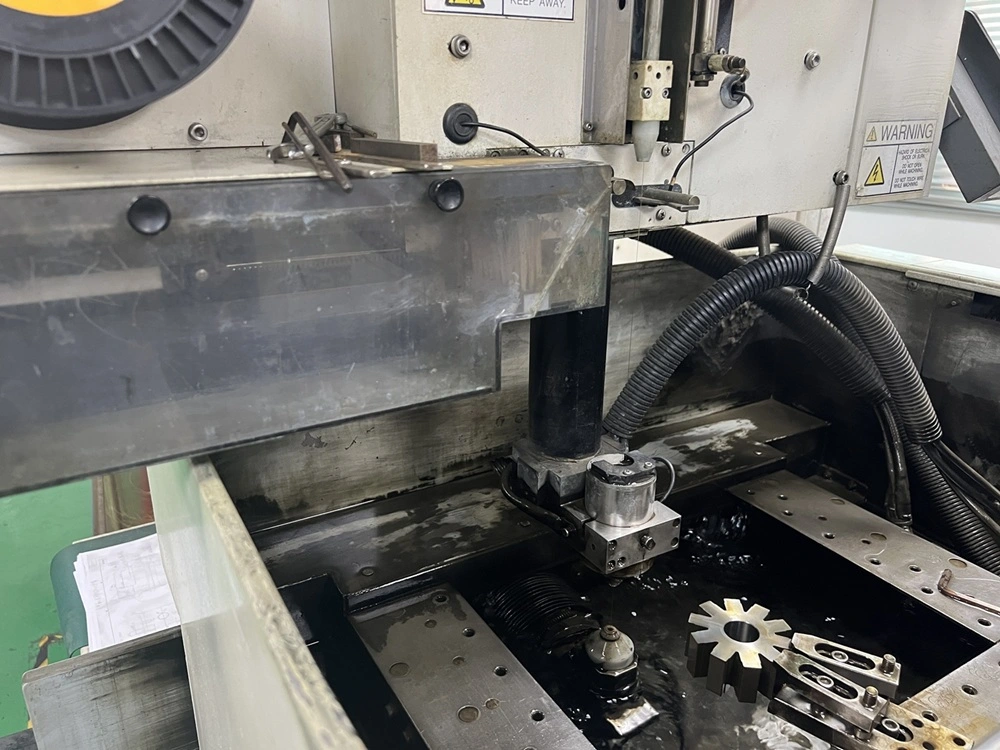
The term edm plunge refers to a specialized form of electrical discharge machining used to create precise cavities and complex shapes in hard materials. It is widely used in modern manufacturing industries where accuracy, detail, and surface quality are extremely important. EDM plunge is especially popular in mold making, die production, aerospace components, and tool manufacturing.
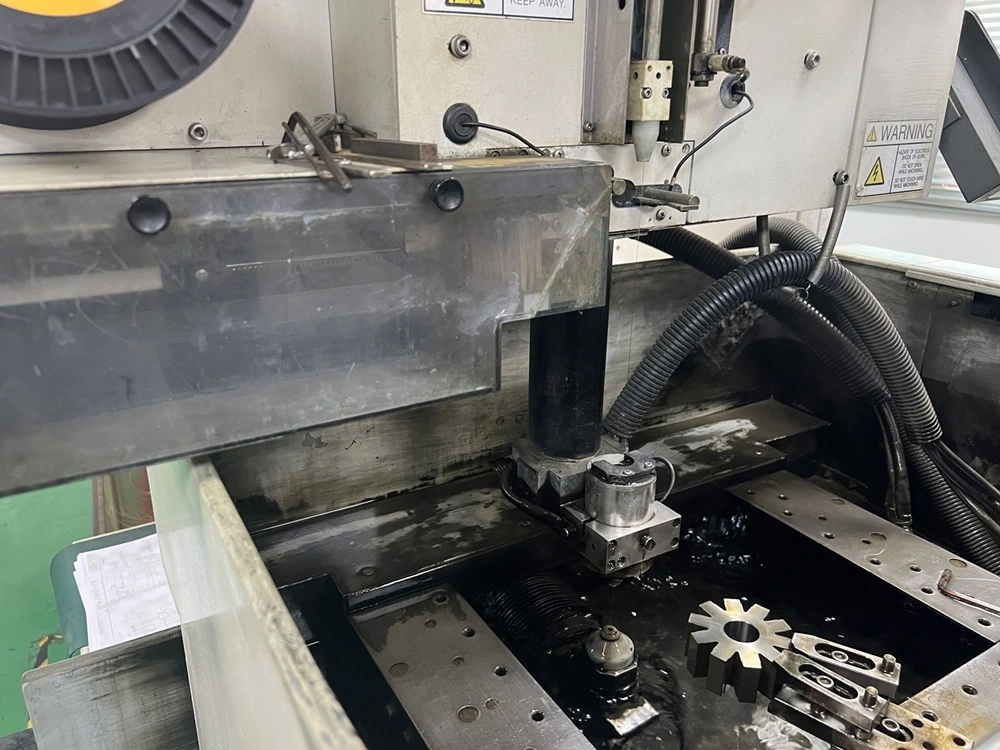
In edm plunge, material is removed using controlled electrical sparks rather than physical cutting tools. This makes it ideal for machining hardened metals and complex geometries that traditional methods cannot handle. The process is known for its precision, reliability, and ability to produce intricate shapes with excellent surface finish.
In this detailed guide, we will explore everything about edm plunge, including its working principle, types, applications, benefits, limitations, and expert recommendations to help you understand its industrial importance.
What is EDM Plunge?
EDM plunge is a type of sinker electrical discharge machining process where a shaped electrode is gradually “plunged” into the workpiece to create a cavity or form a specific shape. The process takes place in a dielectric fluid that controls the electrical discharge and removes debris.
Unlike conventional machining, edm plunge does not rely on mechanical cutting force. Instead, it uses controlled electrical sparks to erode material from the surface of the workpiece. These sparks generate intense heat, which melts and vaporizes tiny portions of the material.
The electrode used in edm plunge is designed in the reverse shape of the final cavity. As it slowly sinks into the material, it reproduces the exact geometry with high precision. This makes edm plunge highly valuable in mold and die manufacturing industries.
How EDM Plunge Works Step by Step
The edm plunge process follows a controlled and repetitive cycle that ensures accuracy and consistency in material removal.
First, the workpiece and electrode are placed inside a dielectric fluid such as oil. A small gap is maintained between the electrode and the workpiece surface. When voltage is applied, an electrical field builds up in this gap.
Once the energy reaches a critical level, a spark discharge occurs. This spark produces extremely high temperatures that melt and vaporize a small portion of the material. The dielectric fluid immediately cools the area and flushes away the debris.
This process repeats thousands of times per second, gradually forming the desired cavity or shape. CNC systems are often used to control the movement of the electrode, ensuring precision and repeatability in edm plunge operations.
Types of EDM Plunge Processes
The edm plunge technique can be categorized based on application and electrode design. Each type serves a specific manufacturing purpose.
Standard EDM Plunge
This is the most common form where a solid electrode is used to create cavities in the workpiece. It is widely used in mold making and die manufacturing industries.
Fine EDM Plunge
Fine edm plunge is used for high-precision applications where extremely detailed features and smooth surface finishes are required. It is often used in aerospace and medical component manufacturing.
Deep EDM Plunge
Deep edm plunge is used to create deep cavities or complex internal shapes in hard materials. It is commonly used in industrial tooling and heavy machinery components.
Each type of edm plunge is selected based on material hardness, required precision, and design complexity.
Applications of EDM Plunge in Industry
The edm plunge process is widely used across various industries due to its ability to machine hard materials with high accuracy.
In the aerospace industry, edm plunge is used to manufacture turbine blades, engine components, and precision parts that require complex shapes and high strength.
In automotive manufacturing, it is used for producing molds, dies, and engine components where accuracy and durability are essential.
The medical industry uses edm plunge for surgical instruments and implants that require extremely fine detail and precision.
Other applications include tool and die making, electronics manufacturing, and industrial machinery production where traditional machining methods are not effective.
Benefits of EDM Plunge Technology
The edm plunge process offers several advantages that make it essential in modern manufacturing.
One of the main benefits is its ability to machine extremely hard materials such as hardened steel, titanium, and carbide. Traditional cutting tools often fail with these materials, but edm plunge handles them effectively.
Another major advantage is high precision. The process can produce complex shapes and fine details with tight tolerances, making it ideal for mold and die manufacturing.
Since there is no direct contact between tool and workpiece, mechanical stress is eliminated. This reduces deformation and improves the quality of delicate components.
The process also produces excellent surface finish, reducing the need for secondary finishing operations and saving production time.
Common Mistakes in EDM Plunge Operations
Although edm plunge is highly efficient, certain mistakes can affect its performance and output quality.
One common issue is improper electrode design. If the electrode is not accurately shaped, the final cavity will not match the desired design.
Another mistake is poor dielectric fluid management. Contaminated fluid can disrupt spark generation and reduce machining efficiency.
Incorrect gap control between the electrode and workpiece can also lead to unstable machining and poor surface finish.
Understanding these issues helps improve edm plunge performance and ensures consistent manufacturing results.
Expert Tips for Better EDM Plunge Results
Experts recommend using high-quality electrode materials to improve accuracy and reduce wear during edm plunge operations.
Maintaining clean and properly filtered dielectric fluid is essential for stable spark generation and consistent machining quality.
Optimizing machining parameters such as voltage, current, and pulse duration can significantly improve efficiency and surface finish.
Regular maintenance of EDM machines ensures long-term reliability and precision in industrial applications.
Internal Linking Suggestions for SEO
For better SEO structure, this article can link internally to related topics such as electrical discharge machining, wire EDM, sinker EDM, and CNC machining guides. These internal links help improve website authority and user engagement.
EDM Plunge in [LOCATION]
The demand for edm plunge in [LOCATION] is increasing in industries such as aerospace, automotive, and precision engineering. Local manufacturers use edm plunge technology for producing molds, dies, and complex metal components that require high accuracy. Companies in [LOCATION] rely on this process for advanced manufacturing solutions.
Future Trends in EDM Plunge Technology
The future of edm plunge is closely linked with automation, digital manufacturing, and AI-based machining systems. Modern EDM machines are being integrated with smart controls to improve accuracy and efficiency.
Advancements in electrode materials and dielectric fluids are expected to enhance machining speed and surface quality. As industries demand more complex designs, edm plunge will continue to evolve as a critical manufacturing technology.
Conclusion
The edm plunge process is a highly precise and powerful machining technique that plays a vital role in modern manufacturing industries. Its ability to machine hard materials, create complex cavities, and maintain high accuracy makes it essential in aerospace, automotive, and tool manufacturing sectors.
Understanding edm plunge helps engineers and manufacturers select the right process for high-precision applications. With continuous technological advancements, edm plunge will remain a key solution in advanced manufacturing systems.
Call to Action
If you are looking for professional edm plunge machining services or expert consultation, our team is here to help. Contact us today for precision manufacturing solutions, technical guidance, and customized industrial support tailored to your requirements.
FAQs
What is EDM plunge used for?
It is used for creating cavities and complex shapes in hard metals, especially in mold and die manufacturing.
Is EDM plunge suitable for hardened steel?
Yes, edm plunge is highly effective for machining hardened steel and other tough materials.
What is the difference between EDM plunge and wire EDM?
EDM plunge uses a shaped electrode to create cavities, while wire EDM uses a wire to cut through materials.
Does EDM plunge cause tool wear?
Yes, electrode wear occurs but is controlled through proper machining settings and material selection.
Which industries use EDM plunge?
Aerospace, automotive, medical, and tool manufacturing industries widely use edm plunge technology.

