 English
 Arabic
 French
 Spanish
 Portuguese
 Deutsch
 Turkish
 Dutch
Dutch
 Italiano
 Russian
 Romaian
 Portuguese (Brazil)
 Greek
Greek
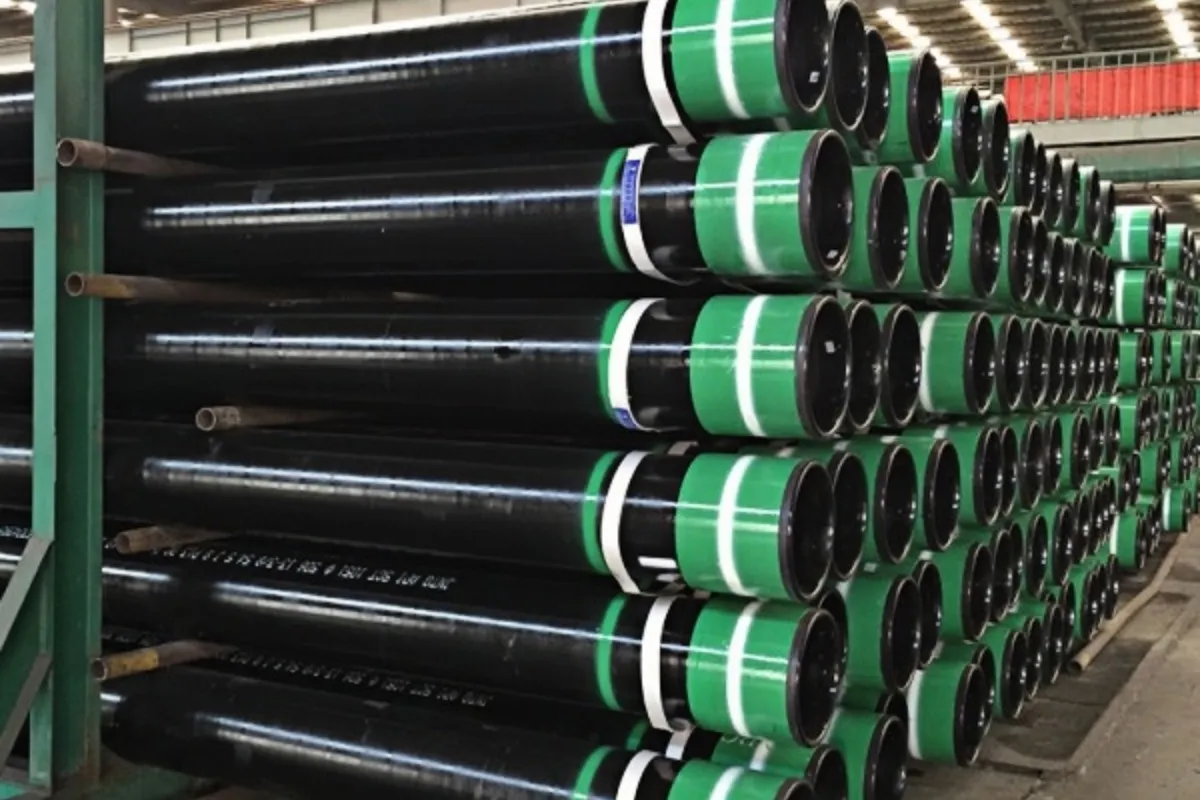
In the global energy industry, oil and gas exploration depends heavily on strong and durable drilling components that ensure safety and efficiency. Among these essential components, the oil casing pipe plays a critical role in stabilizing wells and maintaining structural integrity during drilling operations. Without a properly designed casing system, oil wells would be highly vulnerable to collapse, contamination, and pressure failure, making casing pipes a fundamental requirement in petroleum engineering.
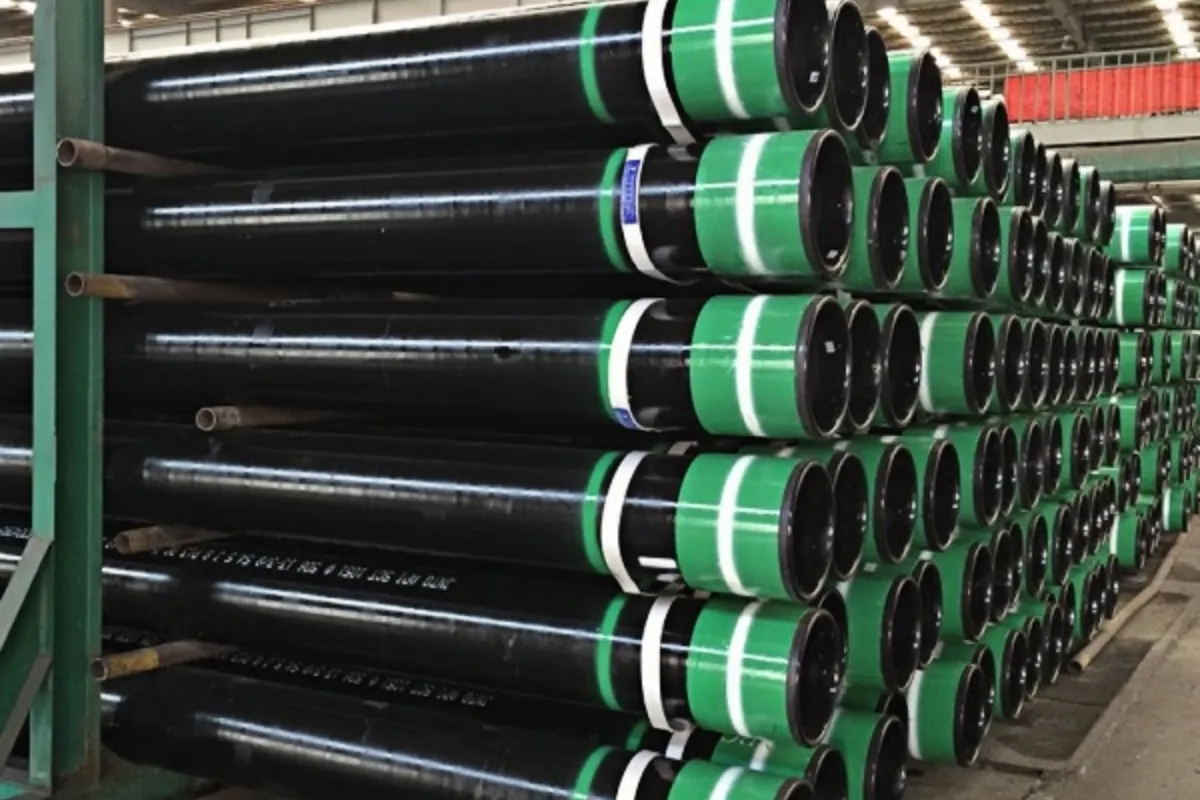
Oil casing pipe is a steel pipe installed inside a drilled well to support the borehole walls and prevent surrounding rock formations from caving in. It also serves as a barrier that isolates different underground layers, ensuring that oil, gas, and water remain separated. This separation is essential for maintaining production efficiency and protecting groundwater resources from contamination. Because of these functions, casing pipes are considered a backbone of modern drilling operations.
These pipes are manufactured using high-strength steel materials designed to withstand extreme pressure, temperature variations, and corrosive underground environments. The selection of oil casing pipe depends on various factors such as well depth, geological conditions, and operational pressure requirements. Their durability and reliability make them indispensable in both onshore and offshore oil extraction projects.
Structural Features of Oil Casing Pipe Systems
The structural design of oil casing pipe is engineered to ensure maximum strength and long-term performance under demanding conditions. One of the most important features is its high tensile strength, which allows it to withstand the immense pressure exerted by surrounding rock formations and drilling fluids. This strength is essential for preventing well collapse and maintaining operational safety.
Corrosion resistance is another critical feature of oil casing pipe systems. Since wells often contain corrosive substances such as hydrogen sulfide, carbon dioxide, and saline water, casing pipes must be able to resist chemical degradation. To achieve this, manufacturers use high-grade steel alloys and protective coatings that extend the lifespan of the pipe and maintain its structural integrity over time.
Threaded connections are also an essential part of casing pipe design. These connections allow multiple pipe sections to be joined securely, forming a continuous and leak-proof structure inside the well. Precision engineering ensures that these threads maintain tight sealing, preventing fluid leakage and maintaining pressure control throughout the drilling process.
Oil casing pipes are available in different grades and sizes, each designed for specific stages of well construction. Surface casing, intermediate casing, and production casing each serve a unique function in stabilizing the well and supporting the extraction process. This layered approach ensures that the well remains stable from drilling to production.
Applications of Oil Casing Pipe in Drilling and Energy Projects
The primary application of oil casing pipe is in oil and gas drilling operations, where it provides structural support and ensures safe extraction of hydrocarbons. During drilling, casing pipes are inserted into the borehole to prevent collapse and maintain the integrity of the well structure. This ensures that drilling activities can continue safely and efficiently.
In offshore drilling environments, oil casing pipe plays an even more critical role due to extreme underwater conditions. High pressure, corrosive seawater, and unstable geological formations make casing systems essential for maintaining well stability. These pipes are specifically designed to perform under such harsh conditions, ensuring safe and efficient offshore energy production.
Oil casing pipes are also widely used in natural gas wells, where they help isolate gas-bearing formations from surrounding rock layers. This separation is crucial for controlling gas flow and preventing contamination of other underground resources. The precision and strength of casing pipes ensure safe and efficient gas extraction.
In geothermal energy projects, casing pipes are used to access heat from deep underground sources. These applications require materials that can withstand high temperatures and corrosive conditions, making oil casing pipe a suitable and reliable choice. Their ability to perform in extreme environments highlights their versatility beyond traditional oil extraction.
Benefits of Using Oil Casing Pipe in Oil and Gas Industry
One of the most important benefits of oil casing pipe is well stability. By reinforcing the borehole, casing pipes prevent collapse and ensure that drilling operations remain safe and uninterrupted. This structural support is essential for maintaining the integrity of the well throughout its lifecycle.
Another major benefit is environmental protection. Oil casing pipes isolate different underground layers, preventing contamination of groundwater and surrounding soil. This helps reduce environmental risks associated with drilling and ensures compliance with environmental regulations in the energy sector.
Oil casing pipes also improve operational efficiency. By maintaining proper pressure control and preventing fluid leakage, they allow for smoother and more controlled extraction processes. This efficiency helps reduce downtime and increases productivity in oil and gas operations.
Cost efficiency is another significant advantage. Although casing pipes represent a major investment in drilling projects, their durability and long service life reduce maintenance and replacement costs. High-quality casing systems also minimize the risk of well failure, which can lead to significant financial losses.
In addition, oil casing pipe systems contribute to enhanced safety. By maintaining well integrity and preventing blowouts or collapses, they protect workers, equipment, and the surrounding environment. This makes them a critical safety component in all drilling operations.
Choosing the Right Oil Casing Pipe for Drilling Projects
Selecting the appropriate oil casing pipe requires careful consideration of several technical and environmental factors. The depth of the well is one of the most important considerations, as deeper wells require stronger and thicker casing to withstand higher pressure levels. Material grade also plays a crucial role in determining durability and performance.
Geological conditions must also be evaluated when selecting casing pipes. Wells drilled in corrosive or unstable environments require specialized materials with enhanced resistance to chemical and mechanical stress. This ensures long-term stability and reduces the risk of structural failure.
Compliance with international standards is essential in the selection process. Certified oil casing pipes ensure that the product meets strict safety and quality requirements, providing reliability in critical drilling operations. Working with reputable manufacturers helps ensure consistent performance and durability.
Proper installation and maintenance are also vital for maximizing the effectiveness of casing systems. Skilled installation ensures secure connections and proper alignment, while regular inspections help detect potential issues early and maintain system efficiency over time.
Conclusion
The oil casing pipe is a fundamental component of modern oil and gas drilling operations, providing essential support, stability, and protection for wells. Its high strength, corrosion resistance, and precise engineering make it indispensable in both onshore and offshore energy projects.
By understanding the features, applications, and benefits of oil casing pipes, industries can make informed decisions that improve drilling efficiency and ensure environmental safety. These pipes not only enhance operational performance but also reduce risks and long-term costs. Ultimately, oil casing pipe remains a critical foundation of safe, efficient, and reliable energy extraction systems worldwide.

