 English
 Arabic
 French
 Spanish
 Portuguese
 Deutsch
 Turkish
 Dutch
Dutch
 Italiano
 Russian
 Romaian
 Portuguese (Brazil)
 Greek
Greek
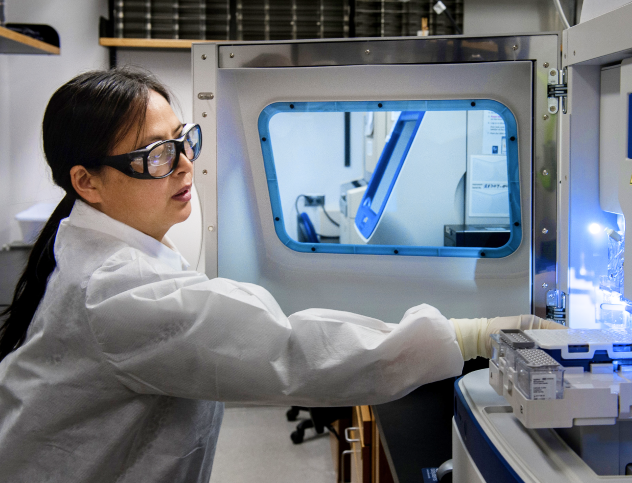
A humidity test chamber is an essential piece of equipment used to evaluate how products and materials respond to moisture-rich environments. In modern industries where product reliability and durability are critical, controlling and testing humidity levels has become a fundamental part of quality assurance. The humidity test chamber provides a controlled environment where specific humidity conditions can be created and maintained, allowing manufacturers and researchers to assess product performance with precision.
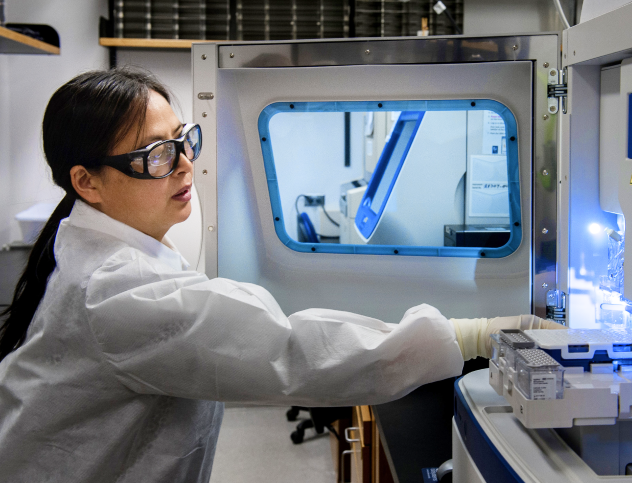
This specialized environmental testing equipment is widely used in industries such as electronics, pharmaceuticals, textiles, automotive, and packaging. The humidity test chamber simulates real-world conditions by exposing products to varying levels of moisture over time. This helps identify potential weaknesses that could lead to product failure, ensuring that only high-quality and reliable items reach the market.
As global standards for product quality continue to rise, the importance of accurate environmental testing has increased significantly. The humidity test chamber supports compliance with international standards and helps companies maintain consistency in their production processes. Its ability to provide repeatable and reliable results makes it an indispensable tool in both research and industrial applications.
Moisture Control and Testing Performance
The humidity test chamber operates using advanced technology that precisely controls the level of moisture within a sealed environment. It typically includes a humidification system, sensors, and control units that work together to maintain the desired relative humidity. These systems ensure that the internal conditions remain stable throughout the testing process, which is essential for obtaining accurate and meaningful results.
During testing, samples are placed inside the humidity test chamber and exposed to specific humidity levels for a defined period. The conditions can be adjusted to simulate various environments, from low humidity to extremely moist conditions. This flexibility allows manufacturers to understand how their products will perform in different climates, including tropical, coastal, or high-humidity regions.
One of the key advantages of using a humidity test chamber is its ability to conduct accelerated aging tests. By exposing products to high humidity levels over a shorter period, manufacturers can predict long-term effects such as corrosion, swelling, or material degradation. This approach helps improve product design and ensures that items meet durability requirements before being released to consumers.
The chamber also supports cyclic testing, where humidity levels fluctuate over time to replicate natural environmental changes. This type of testing is particularly useful for products that are exposed to varying conditions during storage or use. The humidity test chamber provides valuable insights into how materials respond to these changes, helping manufacturers enhance product resilience and reliability.
Industrial Applications and Product Reliability
The humidity test chamber plays a vital role across a wide range of industries due to its ability to simulate real-world environmental conditions. In the electronics industry, it is used to test the resistance of components such as circuit boards and connectors to moisture. High humidity can cause corrosion and electrical failures, making accurate testing essential for ensuring product performance.
In the pharmaceutical sector, the humidity test chamber is used to evaluate the stability of drugs and medical products. Controlled humidity conditions are necessary to ensure that medications maintain their effectiveness and safety throughout their shelf life. This testing process also helps companies comply with strict regulatory requirements and maintain high standards of quality.
The automotive industry relies on humidity test chambers to assess the durability of various components, including interiors, coatings, and electronic systems. These parts must withstand exposure to moisture without deteriorating, ensuring long-term performance and customer satisfaction. The humidity test chamber provides the data needed to select materials that meet these demanding requirements.
In the textile industry, the humidity test chamber is used to analyze how fabrics respond to moisture. This includes testing for shrinkage, strength, and overall performance under humid conditions. Similarly, the packaging industry uses this equipment to evaluate how materials protect products in high-humidity environments. These applications highlight the versatility and importance of the humidity test chamber in ensuring product quality.
From a quality assurance perspective, the humidity test chamber offers numerous benefits. It provides consistent and repeatable testing conditions, allowing manufacturers to maintain uniform quality across production batches. By identifying potential issues early in the development process, companies can reduce costs associated with product failures and improve customer satisfaction.
Conclusion
The humidity test chamber has become an essential tool in modern environmental testing, offering precise control over moisture conditions and enabling accurate performance evaluation. Its ability to simulate real-world environments and provide reliable data makes it invaluable for industries that prioritize quality, durability, and safety.
By supporting comprehensive testing and analysis, the humidity test chamber helps manufacturers improve product design, enhance reliability, and meet international standards. Its applications across electronics, pharmaceuticals, automotive, textiles, and packaging demonstrate its critical role in ensuring product excellence.

