 English
 Arabic
 French
 Spanish
 Portuguese
 Deutsch
 Turkish
 Dutch
Dutch
 Italiano
 Russian
 Romaian
 Portuguese (Brazil)
 Greek
Greek
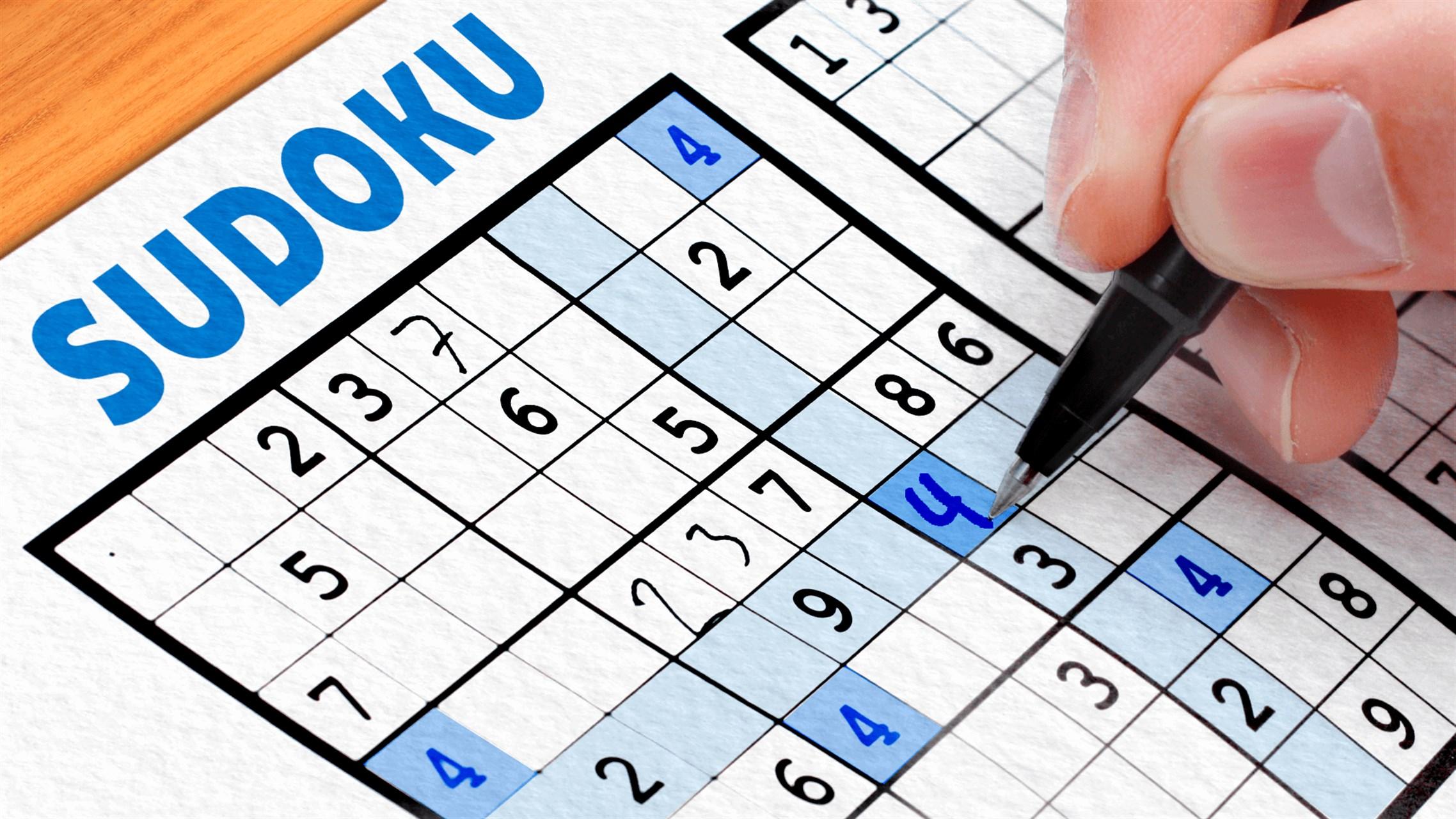
I Downloaded It as a Joke
A few months ago, I was scrolling through app recommendations late at night when I saw a puzzle app featuring Sudoku. I almost skipped it immediately.
In my head, this was the kind of game people played because they wanted to “exercise their brain” in a very serious, responsible adult kind of way. Meanwhile, I usually played games to avoid thinking entirely.
Still, curiosity won.
I downloaded it mostly because the app size was tiny and my phone storage was suffering. I told myself I’d try one puzzle for maybe five minutes before deleting it forever.
That did not happen.
Instead, I accidentally spent nearly an hour staring at tiny numbers while completely forgetting about the outside world.
Honestly, I still don’t fully understand how this game became so addictive.
My First Sudoku Experience Was a Disaster
I Thought I Understood the Rules
At first glance, the rules seemed incredibly simple.
Fill the board with numbers 1 through 9.
Don’t repeat numbers in rows.
Don’t repeat numbers in columns.
Don’t repeat numbers in squares.
Easy, right?
Absolutely not.
The moment I opened my first puzzle, my confidence disappeared immediately. I placed a few obvious numbers, then suddenly the board turned into pure confusion.
I started guessing.
Bad decision.
Within minutes, the entire puzzle became a mathematical horror movie. Duplicate numbers everywhere. Contradictions in every direction. My board looked less like a logical puzzle and more like someone had spilled chaos onto a spreadsheet.
The app politely informed me that I had made multiple mistakes.
Very politely.
Too politely.
I laughed so hard because I genuinely thought this game would be relaxing.
The Moment Everything Suddenly Clicked
Patterns Started Appearing Everywhere
After failing several beginner puzzles, something interesting happened.
I stopped trying to force answers.
Instead, I slowed down and started paying attention to patterns. I noticed how one missing number could affect an entire row. I learned that solving a tiny section sometimes unlocked half the puzzle unexpectedly.
That’s when Sudoku transformed from “confusing number box simulator” into something genuinely satisfying.
The game stopped feeling random.
Every clue mattered.
Every correct move created momentum.
I still remember the first time I solved a puzzle without using hints. It wasn’t even a difficult one, but I felt ridiculously proud of myself.
Not because the achievement was huge.
But because I knew I had actually earned it through patience and logic.
Why This Puzzle Feels So Different From Other Games
It’s Quiet in the Best Possible Way
Most modern games are loud.
Notifications everywhere.
Bright flashing rewards.
Constant missions.
Daily streaks.
Explosions.
Meanwhile, Sudoku feels calm.
There’s no pressure to react quickly. No online players screaming through microphones. No complicated controls. Just a puzzle quietly waiting for you to solve it.
And somehow, that simplicity feels refreshing.
After spending all day switching between messages, emails, videos, and endless social media scrolling, focusing on one small puzzle feels surprisingly peaceful.
For a little while, my brain finally slows down.
It Makes Time Disappear
The dangerous thing about Sudoku is how easily it destroys your sense of time.
I’ve lost count of how many times I opened the app thinking:
“Okay, just one quick puzzle.”
Then suddenly it’s midnight.
The worst part is that difficult puzzles create this strange emotional commitment. Once I make enough progress, quitting feels impossible.
I become emotionally attached to finishing the board.
There was one evening where I spent nearly forty minutes trying to solve the final section of a hard-level puzzle. I kept getting stuck over and over again.
At one point, I even accused the puzzle of being unfair out loud.
To an inanimate object.
Alone in my room.
That’s how serious things had become.
The Most Frustrating Thing About Sudoku
One Tiny Mistake Can Ruin Everything
This game has taught me a painful lesson about confidence.
Sometimes I place a number too quickly because I “feel” like it belongs there. Then the puzzle continues normally for several minutes before everything collapses completely.
Suddenly no numbers work anymore.
Rows stop making sense.
My brain enters panic mode.
Then comes the horrible realization:
“I made a mistake twenty minutes ago.”
There have been moments where I needed to erase huge sections of the board because of one careless decision near the beginning.
It’s frustrating every single time.
But weirdly enough, that’s also why finishing a difficult puzzle feels so rewarding. Every correct move matters. Careful thinking gets rewarded while rushing gets punished immediately.
Honestly, it’s kind of a life lesson disguised as a game.
Small Habits That Helped Me Improve
Pencil Notes Changed My Entire Experience
At first, I ignored the pencil mark feature because it looked messy and unnecessary.
Huge mistake.
Once I started using notes properly, everything became easier. Keeping track of possible numbers inside each square helped organize my thinking instead of relying purely on memory.
It also made difficult puzzles feel less intimidating because I could slowly narrow down possibilities step by step.
Looking for Missing Numbers Works Better
When I first started, I focused too much on individual empty squares.
Now I look at the puzzle differently.
Instead of asking:
“What fits here?”
I ask:
“Where can this number go?”
That small mindset change improved my solving speed dramatically.
Walking Away Sometimes Helps More Than Staring
This sounds strange, but taking a break genuinely works.
I’ve had moments where I stared at the same puzzle for fifteen minutes without progress. Then I left to grab coffee, came back later, and immediately noticed the solution.
Sometimes your brain just needs distance.
The Most Satisfying Puzzle I Ever Completed
It Took Me Almost an Entire Day
One rainy weekend, I attempted the hardest puzzle setting available in my app.
Honestly, I expected failure.
The board looked impossible from the beginning. Huge empty spaces everywhere. Almost no obvious moves. My confidence disappeared instantly.
But I kept going.
Slowly.
Carefully.
Sometimes I would solve only one or two numbers before getting stuck again. Hours passed in small bursts throughout the day.
Then eventually something magical happened.
The puzzle started opening up.
One solved number created another clue. Then another. Entire sections suddenly became clear. It felt like watching a blurry image slowly come into focus.
And when I finally filled the last square correctly?
Pure satisfaction.
Not loud excitement.
Not adrenaline.
Just quiet happiness.
I sat there staring at the completed board longer than I’d like to admit.
What Sudoku Unexpectedly Taught Me
Patience Is More Powerful Than Speed
This game completely changed how I approach problems.
When I rush, I make mistakes.
When I slow down and observe carefully, solutions appear naturally.
That lesson applies to way more than puzzles.
Progress Can Feel Invisible Until Suddenly It Isn’t
One thing I love about difficult puzzles is how impossible they seem at first.
You make tiny bits of progress without realizing how much closer you’re getting. Then suddenly the entire board starts making sense all at once.
Honestly, life feels like that sometimes too.
Final Thoughts
I still find it funny that a simple number puzzle became one of my favorite ways to relax.
Some days Sudoku makes me feel incredibly smart.
Other days it humbles me instantly after one careless mistake.

