 English
 Arabic
 French
 Spanish
 Portuguese
 Deutsch
 Turkish
 Dutch
Dutch
 Italiano
 Russian
 Romaian
 Portuguese (Brazil)
 Greek
Greek
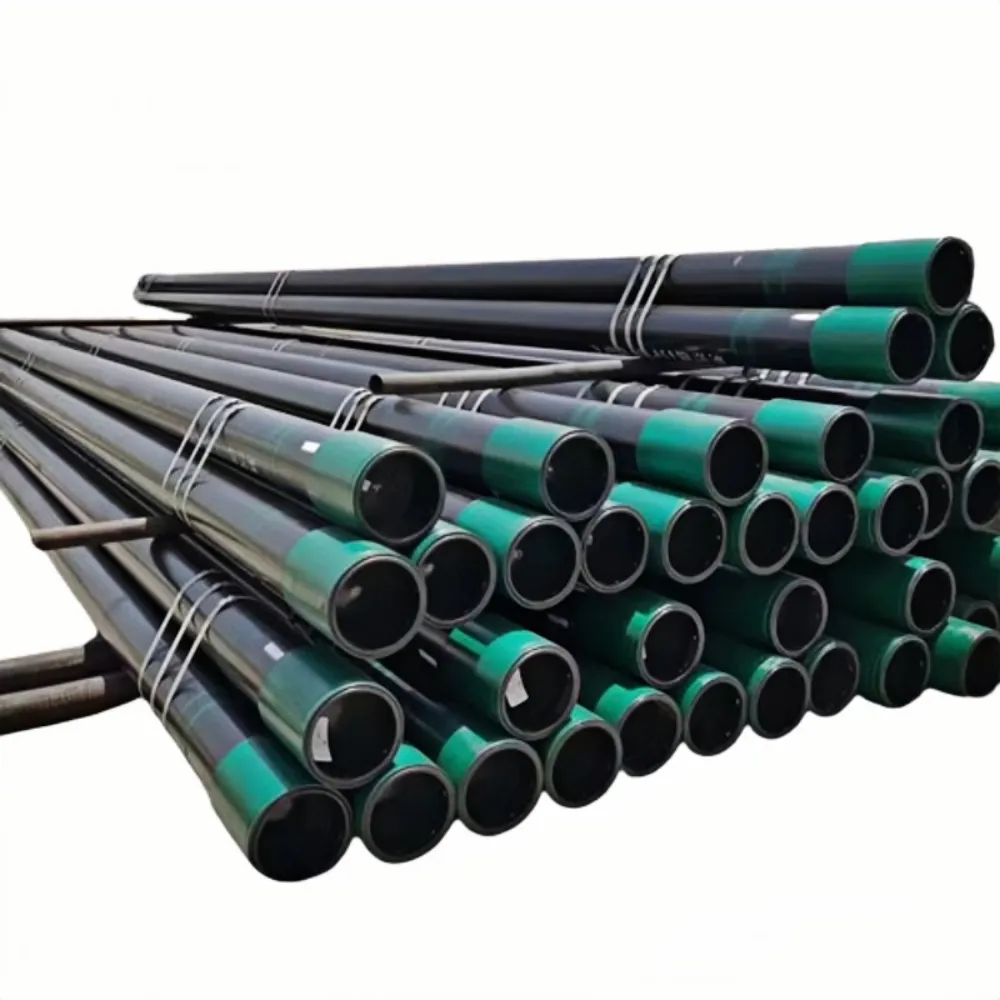
ERW steel pipe, also known as Electric Resistance Welded pipe, is one of the most widely used steel piping solutions in construction, infrastructure, and industrial engineering. It is valued for its cost efficiency, reliable strength, and consistent production quality. Industries such as oil and gas, water supply systems, automotive manufacturing, structural engineering, and mechanical fabrication depend heavily on ERW pipe for stable and economical performance.
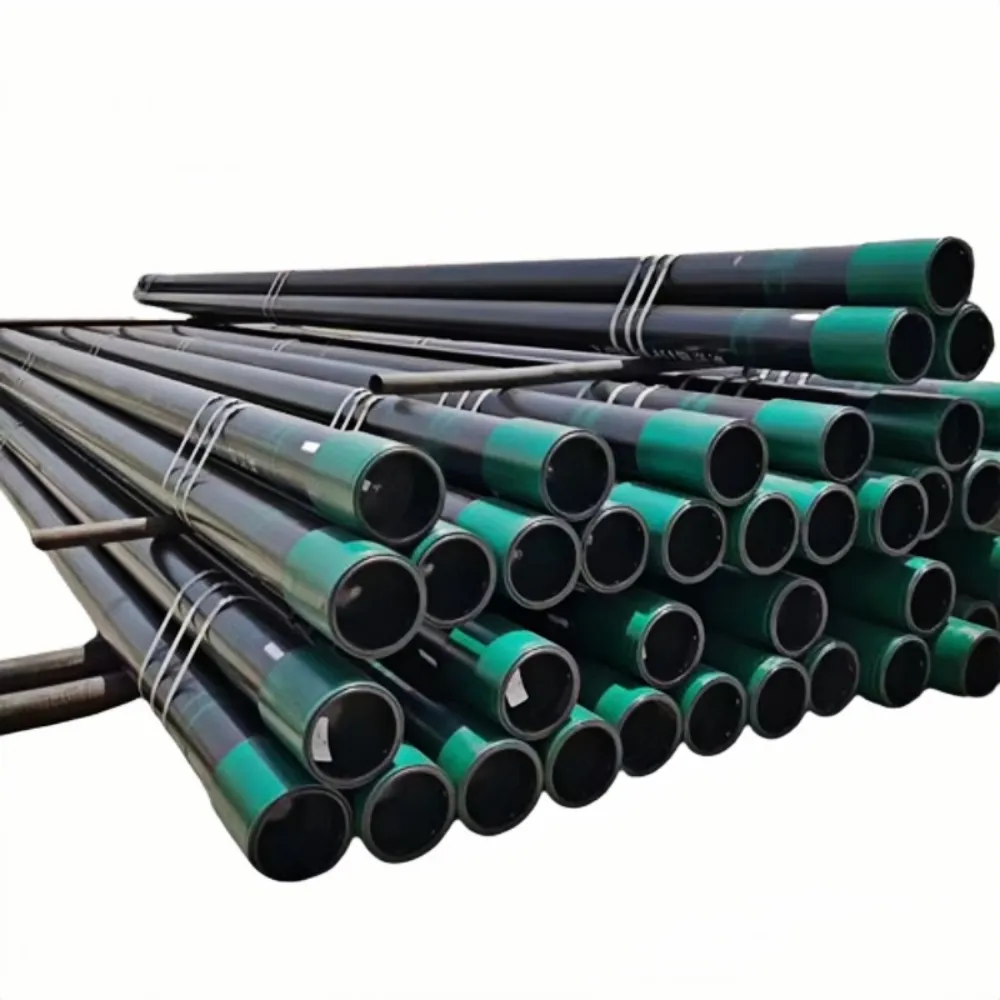
The manufacturing process of ERW steel pipe begins with high-quality steel coils that are carefully unrolled and formed into a cylindrical shape using advanced rolling machines. The edges of the steel strip are then brought together and welded using high-frequency electric resistance heating. This process generates heat at the seam and fuses the edges without the need for filler material, creating a strong and uniform longitudinal weld.
Modern ERW pipe production is highly automated to ensure precision and consistency. After welding, the pipe goes through sizing and straightening equipment to achieve accurate diameter and wall thickness. Heat treatment may also be applied to improve mechanical properties and weld strength. Each ERW steel pipe is then tested using ultrasonic inspection, hydrostatic pressure testing, and dimensional verification to ensure compliance with international quality standards.
Carbon steel ERW pipe is one of the most commonly used types due to its excellent balance of strength and affordability. Galvanized ERW steel pipe is also widely used in environments where corrosion resistance is required. The zinc coating protects the pipe from rust and environmental damage, making it suitable for outdoor and underground installations.
The global demand for electric resistance welded pipe continues to grow as industries expand and infrastructure development increases worldwide. ERW steel tubing is considered a practical solution for modern engineering because it combines efficiency, availability, and durability.
ERW Pipe Industrial Applications
ERW pipe is used across multiple industries because of its versatility and dependable performance. In the construction industry, structural ERW steel pipe is widely used for building frameworks, bridges, scaffolding systems, fencing, and industrial sheds. Its consistent wall thickness and smooth surface finish make it ideal for both structural strength and architectural applications.
The oil and gas industry relies on ERW steel pipe for transporting petroleum products, natural gas, and water injection systems. ERW carbon steel pipe is commonly used in pipelines that operate under medium pressure conditions. Its cost effectiveness and reliable performance make it a preferred choice for large pipeline networks.
Water supply and municipal infrastructure systems also depend heavily on ERW pipe. Drinking water distribution systems, irrigation pipelines, drainage networks, and sewage systems often use galvanized ERW steel pipe due to its corrosion resistance and long service life. The protective coating helps prevent rust formation and ensures durability in humid and underground environments.
The automotive and mechanical industries use precision ERW tubing for manufacturing vehicle frames, hydraulic systems, steering components, and machine parts. The accurate dimensions and smooth internal surfaces enhance performance, reduce friction, and improve efficiency in mechanical applications.
Fire protection systems and HVAC installations commonly use welded steel pipe because it provides reliable performance under moderate pressure conditions. Industrial plants and manufacturing facilities often select ERW steel pipe for utility lines because it offers durability at a lower cost compared to other piping solutions.
Stainless erw steel pipe is widely used in chemical processing, food production, and pharmaceutical industries where corrosion resistance and hygiene are essential. These pipes resist chemical reactions, oxidation, and moisture damage, ensuring safe and long-term operation in sensitive environments.
As global industrialization continues to expand, the demand for ERW pipe is increasing steadily. Infrastructure development and urban growth are major drivers behind its widespread use in modern engineering projects.
ERW Pipe Performance Advantages
ERW pipe offers several important advantages that make it one of the most practical steel piping solutions available today. One of the main benefits is cost efficiency. Compared to seamless steel pipe, ERW pipe requires less raw material and lower production energy, making it an economical choice for large-scale industrial applications.
Dimensional accuracy is another major advantage of ERW steel pipe. The manufacturing process ensures consistent diameter, wall thickness, and straightness, which simplifies installation and improves compatibility with fittings, valves, and industrial systems. This precision reduces installation errors and improves overall system performance.
ERW carbon steel pipe provides good mechanical strength and durability for medium-pressure applications. Advances in welding technology have significantly improved seam quality, allowing modern ERW pipes to perform reliably under mechanical stress and industrial operating conditions.
The smooth internal surface of ERW pipe enhances fluid flow efficiency by reducing friction loss. This makes it suitable for water transportation, gas distribution, and industrial fluid transfer systems. The smooth outer surface also allows for better coating adhesion, improving corrosion protection.
Corrosion resistance can be improved through galvanization or protective coatings. Galvanized ERW steel pipe performs well in outdoor environments and underground installations where exposure to moisture is common. Stainless ERW pipe offers even higher resistance to chemical and corrosive environments, making it suitable for specialized industrial applications.
Another important advantage is manufacturing flexibility. ERW pipe can be produced in different sizes, thicknesses, and steel grades based on application requirements. This versatility allows engineers and contractors to select suitable piping solutions for construction, mechanical systems, and industrial infrastructure.
Modern advancements in ERW pipe manufacturing have improved efficiency, product quality, and sustainability. Automated production systems and improved quality control techniques ensure consistent performance and long service life in various industrial applications.
Conclusion
ERW steel pipe remains one of the most widely used and cost-effective piping solutions in modern industries. Its combination of affordability, strength, dimensional accuracy, and versatility makes it suitable for construction, oil and gas transportation, water supply systems, automotive manufacturing, and industrial engineering projects. As global infrastructure continues to expand, the demand for ERW steel pipe is expected to grow steadily.
Industries seeking reliable and economical pipeline systems continue to choose ERW pipe because it delivers consistent performance and long-term durability. With ongoing improvements in manufacturing technology and international quality standards, ERW steel products will remain a vital part of modern industrial development for years to come.


