 English
 Arabic
 French
 Spanish
 Portuguese
 Deutsch
 Turkish
 Dutch
Dutch
 Italiano
 Russian
 Romaian
 Portuguese (Brazil)
 Greek
Greek
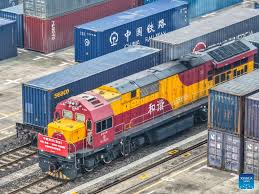
The Chongqing Xinjiang Europe Railway has become one of the most influential transportation corridors in modern international trade. As global supply chains expand and businesses demand faster and more reliable logistics solutions, this railway has emerged as a strategic link between Asia and Europe. Connecting Chongqing, a major industrial hub in China, with key destinations across Europe through the Xinjiang region, the route plays a vital role in enhancing cross-border trade efficiency and economic integration.
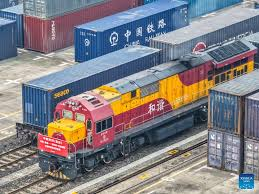
In today’s competitive global economy, transportation speed, cost efficiency, and reliability are essential for business success. The Chongqing Xinjiang Europe Railway provides a balanced logistics solution that bridges the gap between slow maritime shipping and expensive air freight. As a result, it has become an increasingly important choice for companies involved in manufacturing, export, import, and global distribution.
The railway is not only a transportation route but also a powerful driver of economic development across Eurasia. It supports industrial growth, strengthens international trade relationships, and promotes regional cooperation between countries along its path. With rising demand for efficient freight transportation, this rail corridor continues to gain global attention as a cornerstone of modern logistics infrastructure.
Strategic Importance in Eurasian Rail Connectivity
The Chongqing Xinjiang Europe Railway serves as a major land-based trade route connecting China with Europe through Central Asia. The corridor passes through the Xinjiang region and continues across multiple countries before reaching European logistics hubs. This extensive network forms a critical component of the Eurasian transportation system, enabling seamless cargo movement across continents.
One of the most significant advantages of this railway is reduced transit time compared to traditional sea freight routes. While maritime shipping can take several weeks, rail transportation significantly shortens delivery periods, making it ideal for time-sensitive goods. This benefit is especially important for industries such as electronics manufacturing, automotive components, industrial machinery, and high-value consumer products.
The railway has also strengthened the resilience of international supply chains. In a global environment where logistics disruptions can impact production schedules and market stability, diversified transportation options are essential. The Chongqing Xinjiang Europe Railway provides an alternative route that helps businesses maintain continuity and reduce dependency on a single shipping method.
As global trade volumes continue to increase, demand for efficient rail freight solutions is growing rapidly. The railway’s strategic positioning and expanding capacity make it a key asset in supporting international commerce and improving connectivity between Asia and Europe.
Economic Development and Trade Expansion Across Regions
The economic influence of the Chongqing Xinjiang Europe Railway extends far beyond freight transportation. The corridor has become a catalyst for economic growth, infrastructure development, and industrial expansion across multiple regions. Cities and provinces along the route have experienced increased investment, improved logistics capabilities, and enhanced access to global markets.
Chongqing has emerged as a major export and manufacturing hub due to its connection with European markets through this railway network. Businesses located in the region benefit from improved transportation efficiency, enabling them to deliver products faster and more competitively. This has encouraged foreign investment, strengthened industrial output, and expanded international trade opportunities.
The Xinjiang region plays a critical role as a gateway connecting China with Central Asia and Europe. Its strategic location has transformed it into a key logistics hub supporting cross-border freight movement. Investments in rail infrastructure, customs facilities, and transportation networks have significantly improved the region’s capacity to handle international trade.
The railway also promotes economic cooperation among participating countries. By facilitating smoother trade flows and improving connectivity, it strengthens business relationships and encourages regional integration. This cooperation contributes to long-term economic stability and shared development across Eurasia.
International companies increasingly rely on the Chongqing Xinjiang Europe Railway as part of their global logistics strategies. The route enables efficient distribution of goods across multiple markets, helping businesses expand their reach and improve competitiveness in the global economy.
Modern Logistics Systems and Sustainable Transportation Growth
The success of the Chongqing Xinjiang Europe Railway is closely linked to advancements in modern logistics technologies. Digital freight management systems, real-time tracking solutions, and automated customs processes have significantly improved efficiency and transparency across the supply chain. These innovations allow businesses to monitor cargo movement with greater accuracy and plan operations more effectively.
Enhanced coordination between logistics providers and transportation authorities has also improved the reliability of rail freight services. Streamlined documentation processes and improved border clearance procedures reduce delays and ensure smoother international shipments. These improvements contribute to a more predictable and efficient logistics environment.
Sustainability has become a major factor in global transportation decisions. Compared to air freight, rail transportation produces significantly lower carbon emissions while still maintaining relatively fast delivery times. This makes the Chongqing Xinjiang Europe Railway an environmentally responsible alternative for international shipping.
As companies increasingly focus on reducing their environmental footprint, rail freight has gained importance as a sustainable logistics solution. The railway supports large-scale cargo transportation while minimizing environmental impact, aligning with global sustainability goals and green logistics initiatives.
Future infrastructure investments are expected to further enhance the railway’s performance. Expansion of rail capacity, modernization of freight terminals, and improved international coordination will help accommodate increasing trade volumes and strengthen the corridor’s long-term efficiency.
Global Trade Connectivity and Future Outlook
The Chongqing Xinjiang Europe Railway is positioned as a key component of future global trade networks. As international commerce continues to expand, businesses require transportation systems that offer speed, reliability, and flexibility. This railway meets these demands by providing a direct and efficient link between Asia and Europe.
Growing economic cooperation between countries along the corridor is expected to further enhance its strategic importance. Improved infrastructure, technological innovation, and increased trade volumes will continue to support the railway’s expansion and operational efficiency. These developments strengthen its role as a vital trade artery in the global economy.
Emerging trends such as e-commerce growth, digital trade platforms, and global manufacturing integration are also contributing to increased demand for efficient logistics solutions. The Chongqing Xinjiang Europe Railway is well positioned to support these trends by offering scalable and reliable freight transportation services.
The railway’s continued evolution reflects the broader transformation of international supply chains. As global markets become more interconnected, the importance of efficient rail corridors will continue to rise. This positions the Chongqing Xinjiang Europe Railway as a long-term driver of economic connectivity and trade growth.
Conclusion
The Chongqing Xinjiang Europe Railway represents a major milestone in modern transportation and global trade development. By connecting China with Europe through a fast, reliable, and efficient rail network, it has reshaped international logistics and strengthened economic cooperation across Eurasia. Its impact extends beyond transportation, supporting industrial growth, enhancing supply chain efficiency, and promoting sustainable logistics practices. As global trade continues to evolve, the Chongqing Xinjiang Europe Railway will remain a vital infrastructure asset shaping the future of international commerce and cross-border connectivity.


