 English
 Arabic
 French
 Spanish
 Portuguese
 Deutsch
 Turkish
 Dutch
Dutch
 Italiano
 Russian
 Romaian
 Portuguese (Brazil)
 Greek
Greek
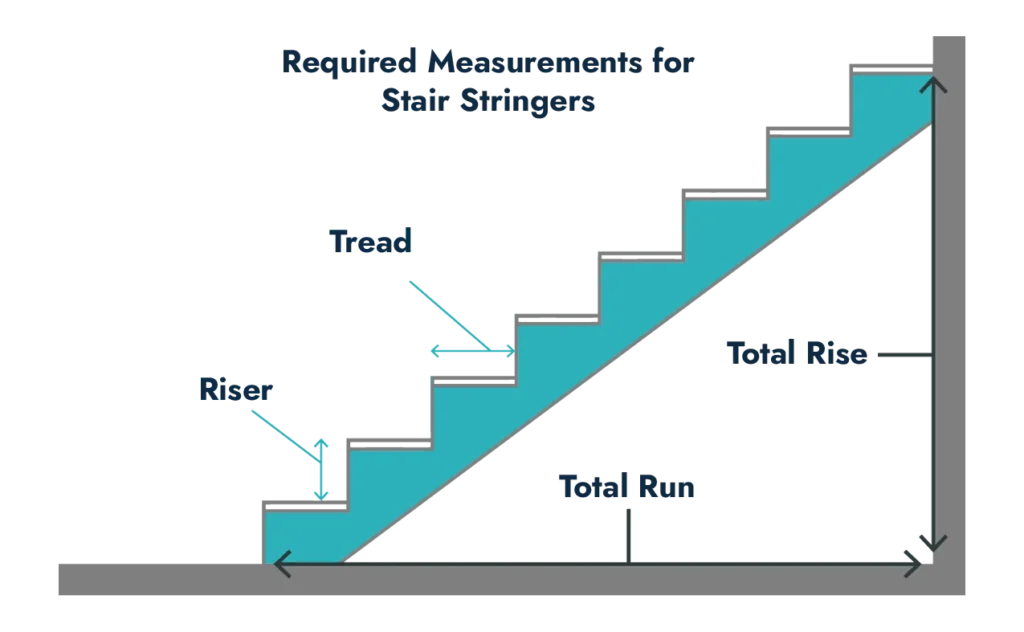
Designing a staircase is one of the most critical aspects of any construction or renovation project. Whether you are building a new home, remodeling an existing property, or creating an outdoor deck, precise measurements are essential. A staircase that is poorly planned can lead to safety concerns, uncomfortable step spacing, and unnecessary construction expenses.
Fortunately, modern digital tools have simplified the stair design process. A Stair Rise and Run Calculator and a Stair Calculator with Diagram enable builders, architects, contractors, and DIY enthusiasts to create accurate stair layouts quickly and efficiently. These tools eliminate complex manual calculations and provide reliable results that improve both safety and construction quality.
Why Accurate Stair Measurements Matter
Staircases are used daily, making safety and comfort essential considerations during the design phase. Incorrect measurements can result in uneven steps, excessive stair angles, and structural problems.
Proper stair planning provides numerous advantages, including:
- Improved user safety
- Consistent riser and tread dimensions
- Better structural integrity
- Reduced construction errors
- Efficient use of available space
- Lower material waste
- Compliance with building standards
Accurate measurements ensure that every staircase is comfortable to use while maintaining long-term durability.
Understanding Stair Rise and Stair Run
Before using a Stair Rise and Run Calculator, it is important to understand the two fundamental measurements involved in staircase design.
What Is Stair Rise?
Stair rise refers to the vertical distance between one tread and the next. The total rise represents the complete height from the lower finished floor to the upper finished floor.
Consistent riser heights are essential because variations can create discomfort and increase the risk of trips or falls.
What Is Stair Run?
Stair run is the horizontal distance covered by the staircase. It determines how much floor space the staircase will occupy.
The relationship between rise and run influences the steepness and comfort of the stairs. Proper proportions create a staircase that is safe, practical, and visually appealing.
What Is a Stair Rise and Run Calculator?
A Stair Rise and Run Calculator is a digital tool designed to automate stair measurements. Instead of manually solving mathematical formulas, users simply enter basic project dimensions, and the calculator instantly generates detailed results.
Typical inputs include:
- Total vertical height
- Desired tread depth
- Available horizontal space
- Preferred stair dimensions
The calculator then determines:
- Number of steps required
- Exact riser height
- Total stair run
- Stair angle
- Overall staircase dimensions
These automated calculations save time and significantly reduce the possibility of errors.
Benefits of Using a Stair Rise and Run Calculator
Improved Accuracy
Manual calculations can lead to inconsistencies. A calculator ensures that every step maintains uniform dimensions.
Faster Planning
Builders can quickly evaluate multiple design options and choose the most suitable layout.
Enhanced Safety
Properly proportioned stairs reduce tripping hazards and improve user comfort.
Reduced Material Waste
Accurate measurements minimize cutting errors and prevent unnecessary expenses.
Better Space Utilization
The calculator helps optimize stair dimensions to fit available space efficiently.
What Is a Stair Calculator with Diagram?
A Stair Calculator with Diagram expands on standard calculations by generating visual representations of the staircase layout. In addition to numerical measurements, users receive diagrams illustrating the complete stair profile.
Visual outputs may include:
- Stair rise and run dimensions
- Tread positions
- Stair angle illustrations
- Overall stair layout
- Stringer configurations
These diagrams provide a clear understanding of how the finished staircase will appear before construction begins.
Why Visual Stair Diagrams Are Important
Numbers alone may not always provide enough clarity, especially for homeowners and first-time builders. Visual diagrams make the design process easier to understand and execute.
Simplified Construction
Builders can use diagrams as practical references during installation.
Improved Communication
Contractors, architects, and clients can review visual layouts together and discuss modifications before construction begins.
Reduced Construction Mistakes
Diagrams help identify potential design issues before materials are cut.
Greater Confidence for DIY Builders
Homeowners often find diagrams easier to interpret than technical calculations alone.
Essential Components of Stair Design
Successful staircase construction depends on understanding several important components.
Tread
The horizontal surface where users place their feet.
Riser
The vertical section between adjacent treads.
Stringer
The structural support that carries the staircase.
Nosing
The front edge of the tread that extends beyond the riser.
Landing
A flat platform located between stair flights or at transition points.
Understanding these elements helps users interpret calculator outputs more effectively.
Applications of Stair Calculation Tools
A Stair Rise and Run Calculator and Stair Calculator with Diagram can be used in various construction projects.
Residential Staircases
Interior home stairs require accurate measurements for comfort and safety.
Deck and Patio Stairs
Outdoor projects benefit from precise planning to ensure durability and proper spacing.
Basement Stairways
Limited spaces often require customized stair designs.
Commercial Buildings
Businesses rely on well-designed stairs to meet safety requirements and accommodate high traffic volumes.
Renovation Projects
Existing structures frequently require tailored staircase solutions that fit unique dimensions.
Industrial Facilities
Warehouses and industrial buildings often use specialized stair systems requiring detailed calculations.
Best Practices for Stair Construction
To achieve the best results, builders should follow several key recommendations.
Verify Measurements Multiple Times
Always confirm total rise and available run before entering values into a calculator.
Account for Finished Flooring
Floor coverings can affect final stair dimensions and should be included during planning.
Follow Local Building Codes
Construction regulations vary by region and should always be reviewed.
Use Quality Materials
Durable materials improve safety, performance, and longevity.
Review Diagram Outputs Carefully
Inspect all layouts and dimensions before cutting materials.
The Growing Role of Technology in Stair Design
Technology continues to transform the construction industry. Modern stair planning tools now provide advanced features such as printable plans, material estimates, and interactive visualizations.
These innovations help professionals:
- Complete projects faster
- Improve design accuracy
- Reduce construction costs
- Enhance collaboration
- Deliver higher-quality results
As digital solutions continue to evolve, staircase planning will become even more efficient and accessible.
Conclusion
Accurate stair design is essential for creating safe, comfortable, and durable staircases. A Stair Rise and Run Calculator simplifies the planning process by generating precise measurements, while a Stair Calculator with Diagram provides valuable visual guidance that improves understanding and construction accuracy.
Whether you are designing stairs for a home, deck, commercial property, or renovation project, these tools can save time, reduce errors, and enhance overall project quality. By combining accurate calculations with visual planning, builders and homeowners can create staircases that deliver long-lasting performance and exceptional usability.

