English
 Arabic
 French
 Spanish
 Portuguese
 Deutsch
 Turkish
 Dutch
Dutch
 Italiano
 Russian
 Romaian
 Portuguese (Brazil)
 Greek
Greek
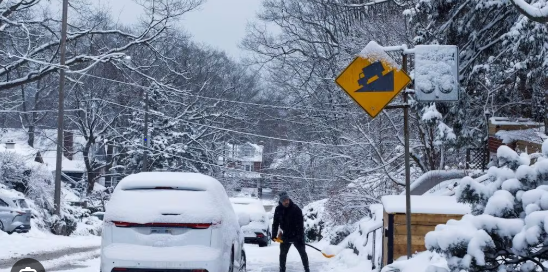
Winter storms are among the most fascinating weather events in the United States because their impact depends as much on geography, infrastructure, and preparation as on the amount of snow that actually falls. A four-inch snowfall may barely interrupt daily life in one city while completely shutting down another. The difference is not simply a matter of climate. It reflects decades of investment in snow removal equipment, local government planning, transportation systems, public expectations, and emergency response strategies.
From the lake-effect snow capital of Buffalo to the subtropical streets of Atlanta, every American city has developed its own relationship with winter weather. Some communities expect months of snow-covered roads and maintain extensive fleets of plows and salt trucks. Others may go years without measurable snowfall, making expensive snow-removal infrastructure difficult to justify.
Understanding how different cities respond to winter storms helps explain why weather forecasts are interpreted differently across the country. It also illustrates how local governments balance public safety, budget priorities, and economic realities. For travelers, businesses, and families spread across multiple states, regional awareness becomes especially valuable. You can compare winter storm warnings by city across more than 260 locations worldwide, which is especially useful if you're traveling or have family in multiple regions.
Buffalo, New York: America's Snow Capital
Buffalo has become synonymous with winter storms. Located on the eastern shore of Lake Erie, the city experiences frequent lake-effect snow generated when cold Arctic air moves across relatively warm lake water. These conditions can produce remarkably intense snowfall over very small geographic areas.
Average annual snowfall commonly exceeds 90 inches, with some surrounding communities receiving well over 120 inches in particularly snowy years. Snowfall events of six to twelve inches are not unusual, and storms exceeding two feet can occur multiple times during an active winter.
Because such weather is expected, Buffalo has invested heavily in snow management. The city's public works department maintains an extensive fleet of snowplows, salt spreaders, loaders, and specialized equipment designed for continuous winter operations. Crews often begin pretreating roads before storms arrive and operate around the clock until major routes are cleared.
Residential neighborhoods may take longer to receive attention, but major highways, emergency routes, and commercial corridors are prioritized immediately. Local residents are accustomed to winter driving, and many vehicles are equipped with snow tires or all-wheel drive.
Schools in Buffalo are generally reluctant to close for moderate snowfall because students, parents, and transportation systems have adapted to regular winter conditions. Closures usually occur only during blizzard conditions, extreme wind, dangerous visibility, or exceptionally heavy lake-effect bands.
For Buffalo residents, four inches of snow is considered a manageable event rather than a crisis. Daily routines often continue with only minor delays.
Minneapolis, Minnesota: Built for Long Winters
Minneapolis experiences one of the longest and coldest winters among major American cities. Annual snowfall averages around 50 to 60 inches, but the defining characteristic is not simply snow accumulation. It is prolonged cold, with temperatures frequently remaining below freezing for weeks.
The city's transportation infrastructure reflects this reality. Snowplows begin operations quickly, often before snowfall has ended. Parking regulations are designed specifically to facilitate efficient snow removal, with designated snow emergency routes allowing plows to clear streets without obstruction.
Road treatment combines rock salt, treated salt, sand, and modern de-icing chemicals depending on temperature. Because extremely low temperatures reduce salt effectiveness, maintenance crews use different strategies during severe cold outbreaks.
Residents generally maintain emergency winter kits in their vehicles, while employers often expect employees to commute despite moderate snow. Public transit systems also incorporate winter-specific operational procedures.
School districts monitor not only snowfall but also dangerously low wind chills. Sometimes schools close because temperatures become hazardous even if little snow falls. This illustrates that winter weather planning extends beyond snow accumulation alone.
A four-inch snowfall in Minneapolis rarely disrupts normal activities. Roads may become slower for a few hours, but businesses, airports, and government offices typically remain open.
Denver, Colorado: High Elevation and Rapid Weather Changes
Denver presents a unique winter weather profile because of its location near the Rocky Mountains. The city experiences significant snowfall, averaging roughly 50 to 60 inches annually, yet winter conditions can change dramatically within a matter of days.
Powerful storms moving across the mountains occasionally produce heavy snow exceeding one foot. However, Denver also benefits from frequent sunshine and relatively low humidity, allowing snow to melt rapidly after storms.
Municipal agencies maintain extensive snow removal operations focused primarily on arterial roads and major transportation corridors. Residential streets often receive lower priority unless snowfall reaches established thresholds.
Colorado transportation agencies emphasize pretreatment before storms whenever possible. Anti-icing liquids, magnesium chloride, and other treatments reduce snow bonding to pavement, making later plowing more effective.
The city's airport, one of the busiest in North America, has developed sophisticated snow removal capabilities. Large fleets of specialized equipment work continuously to keep runways operational whenever weather permits.
School closure decisions depend on multiple variables, including overnight accumulation, morning temperatures, mountain weather, and road conditions across large school district boundaries. Because many families commute from suburban communities with varying elevations, conditions can differ considerably within the metropolitan area.
Denver residents generally expect winter driving, although rapid changes in weather occasionally surprise motorists unfamiliar with mountain climates.
Seattle, Washington: Rare Snow Creates Major Challenges
Seattle illustrates why snowfall frequency matters more than snowfall totals. The city averages only around five inches of snow each year, and some winters produce almost none.
Despite these modest totals, even a few inches can cause widespread disruption.
The reasons are largely geographic. Seattle's numerous hills become hazardous when snow combines with freezing temperatures. Ice forms quickly, making steep streets difficult or impossible to navigate safely.
Unlike northern cities, Seattle maintains a comparatively limited fleet of snowplows because major winter storms occur infrequently. Investing in hundreds of additional snow removal vehicles would provide little value during most years.
Many residents also lack experience driving on snow and ice. Few use winter tires, and numerous neighborhoods contain steep residential roads that become dangerous during icy conditions.
Public transportation agencies often reduce or modify service during snow events, while employers increasingly encourage remote work when forecasts predict accumulating snow.
School districts frequently close after only a few inches because bus routes include steep terrain where even experienced drivers face significant risks.
Thus, four inches of snow in Seattle may produce school closures, delayed deliveries, canceled events, and widespread travel disruption despite appearing relatively minor by northern standards.
Atlanta, Georgia: Ice Is the Bigger Threat
Atlanta receives only occasional measurable snowfall, averaging around two inches annually. However, snowfall statistics alone fail to explain why winter storms can create severe transportation problems.
The city's greatest winter hazard is freezing rain and ice.
Even light precipitation can freeze on elevated highways, bridges, and overpasses. Since much of Atlanta's transportation network depends on elevated roadways, icy conditions spread rapidly throughout the metropolitan area.
The region maintains only a limited inventory of snowplows and salt trucks compared with northern cities. This reflects practical budgeting decisions rather than inadequate planning. Purchasing and maintaining large snow removal fleets would be difficult to justify given the rarity of significant snowstorms.
Many Atlanta residents have limited winter driving experience, increasing accident rates during snow and ice events.
Following several historically disruptive winter storms, emergency planning has improved substantially. Authorities now emphasize earlier school closures, pre-positioned road treatment crews, enhanced public communication, and stronger coordination among transportation agencies.
Businesses increasingly adopt remote work during winter weather forecasts, reducing traffic volume before dangerous conditions develop.
Nevertheless, four inches of snow combined with freezing temperatures remains capable of causing citywide disruption because infrastructure, equipment, and public experience differ greatly from snow-prone regions.
Dallas, Texas: Occasional Winter Storms With Significant Consequences
Dallas experiences relatively mild winters but occasionally encounters significant Arctic outbreaks capable of producing snow, sleet, freezing rain, or combinations of all three.
Average annual snowfall is generally around one inch, although some winters bring substantially larger accumulations.
The most significant concern is often prolonged freezing temperatures following precipitation. Ice-covered highways become extremely hazardous, especially since many residents are unfamiliar with winter driving techniques.
Road treatment resources exist but remain modest compared with northern metropolitan areas. Transportation departments prioritize bridges, overpasses, major highways, and emergency routes before treating secondary roads.
Schools frequently close in advance of predicted winter weather because early morning road conditions can become dangerous despite relatively small snowfall totals.
Businesses increasingly allow remote work during severe winter weather, especially following recent experiences with major cold outbreaks that affected transportation and power infrastructure.
Unlike Buffalo or Minneapolis, Dallas cannot justify maintaining massive snow removal fleets that might remain unused for years. Instead, officials focus resources on the most critical transportation corridors while encouraging residents to remain home whenever possible.
Infrastructure Readiness Shapes Every Response
Snowfall alone never determines whether a city functions normally after a winter storm.
Infrastructure readiness plays an equally important role.
Northern cities typically maintain:
- Large snowplow fleets
- Extensive salt storage facilities
- Dedicated winter maintenance budgets
- Experienced road maintenance crews
- Winter-specific emergency management plans
- Public familiarity with snow travel
Southern cities generally prioritize:
- Limited but strategic snow removal equipment
- Emergency coordination rather than large equipment inventories
- Public communication
- School safety decisions
- Bridge and overpass treatment
- Temporary traffic reduction through remote work
These contrasting approaches represent rational financial decisions based on historical weather patterns rather than differences in competence.
Road Treatment Strategies Differ Across Regions
Road treatment techniques vary according to climate.
Buffalo and Minneapolis often apply salt before storms arrive, followed by repeated plowing throughout snowfall.
Denver frequently combines anti-icing chemicals with aggressive plowing while taking advantage of sunshine that accelerates melting.
Seattle relies on targeted treatment for priority routes because widespread snow events remain uncommon.
Atlanta and Dallas emphasize treating elevated roadways first since bridges freeze more rapidly than surface streets.
Budget allocations reflect these priorities. Snow-prone cities may spend tens of millions of dollars annually maintaining winter operations, while warmer cities invest significantly less because severe storms occur infrequently.
These financial decisions are based on long-term averages rather than preparing for rare extremes.
School Closure Policies Reflect Local Reality
School closure decisions often surprise visitors from other regions.
In Buffalo, students may attend school after six inches of overnight snowfall because buses, roads, and communities are prepared.
In Minneapolis, closures are more likely to occur because of dangerously cold wind chills than moderate snowfall.
Denver evaluates road conditions across diverse elevations before making district-wide decisions.
Seattle frequently closes schools after relatively modest snowfall because steep terrain complicates transportation.
Atlanta and Dallas often announce closures before precipitation begins to prevent buses and parents from becoming stranded during rapidly deteriorating conditions.
Each approach reflects local geography, transportation networks, and historical experience.
Public Expectations Matter
Community expectations strongly influence emergency response.
Residents of Buffalo often own snow blowers, winter tires, insulated clothing, and emergency vehicle supplies. Grocery stores continue operating throughout many snowstorms because customers expect winter weather.
By contrast, residents of Atlanta or Dallas may purchase emergency supplies before forecast snow events because severe winter weather remains unusual.
Insurance companies, employers, healthcare providers, airports, and utility companies all adapt their planning according to regional climate history.
This collective preparation significantly influences how disruptive identical snowfall amounts become.
Why Four Inches Means Completely Different Things
The comparison between these six cities demonstrates that snowfall depth tells only part of the story.
Four inches falling on Buffalo usually lands on roads already treated with salt, where experienced plow operators begin clearing immediately and motorists have years of winter driving experience.
The same four inches falling on Atlanta may cover roads with limited pretreatment, affect drivers unfamiliar with icy conditions, overwhelm available snow removal equipment, and produce widespread school and business closures.
Seattle faces additional challenges because steep hills become icy.
Dallas struggles with freezing bridges and limited winter equipment.
Denver benefits from sunshine that often accelerates recovery.
Minneapolis combines exceptional infrastructure with extensive public familiarity.
Every city's response reflects decades of adaptation to its local climate.
Conclusion
Winter storms reveal the remarkable diversity of American weather preparedness. Cities experiencing frequent snow have built sophisticated systems capable of maintaining transportation, commerce, education, and emergency services even during substantial winter events. Communities where snowfall remains rare instead prioritize public safety through early closures, strategic road treatment, and emergency communication rather than maintaining expensive equipment that might rarely be used.
Neither approach is inherently better. Each represents a practical response to local weather history, financial constraints, and public expectations. Understanding these regional differences explains why the same storm can produce dramatically different outcomes across the United States.
Ultimately, winter preparedness is about far more than measuring snowfall. Geography, infrastructure investment, emergency planning, driver experience, and community expectations all determine whether a winter storm becomes a manageable inconvenience or a major public emergency. That is why four inches of snow can be routine in one American city and a headline-making event in another, illustrating that successful winter storm response depends not only on nature but also on how well each community has learned to live with its unique climate