English
 Arabic
 French
 Spanish
 Portuguese
 Deutsch
 Turkish
 Dutch
Dutch
 Italiano
 Russian
 Romaian
 Portuguese (Brazil)
 Greek
Greek
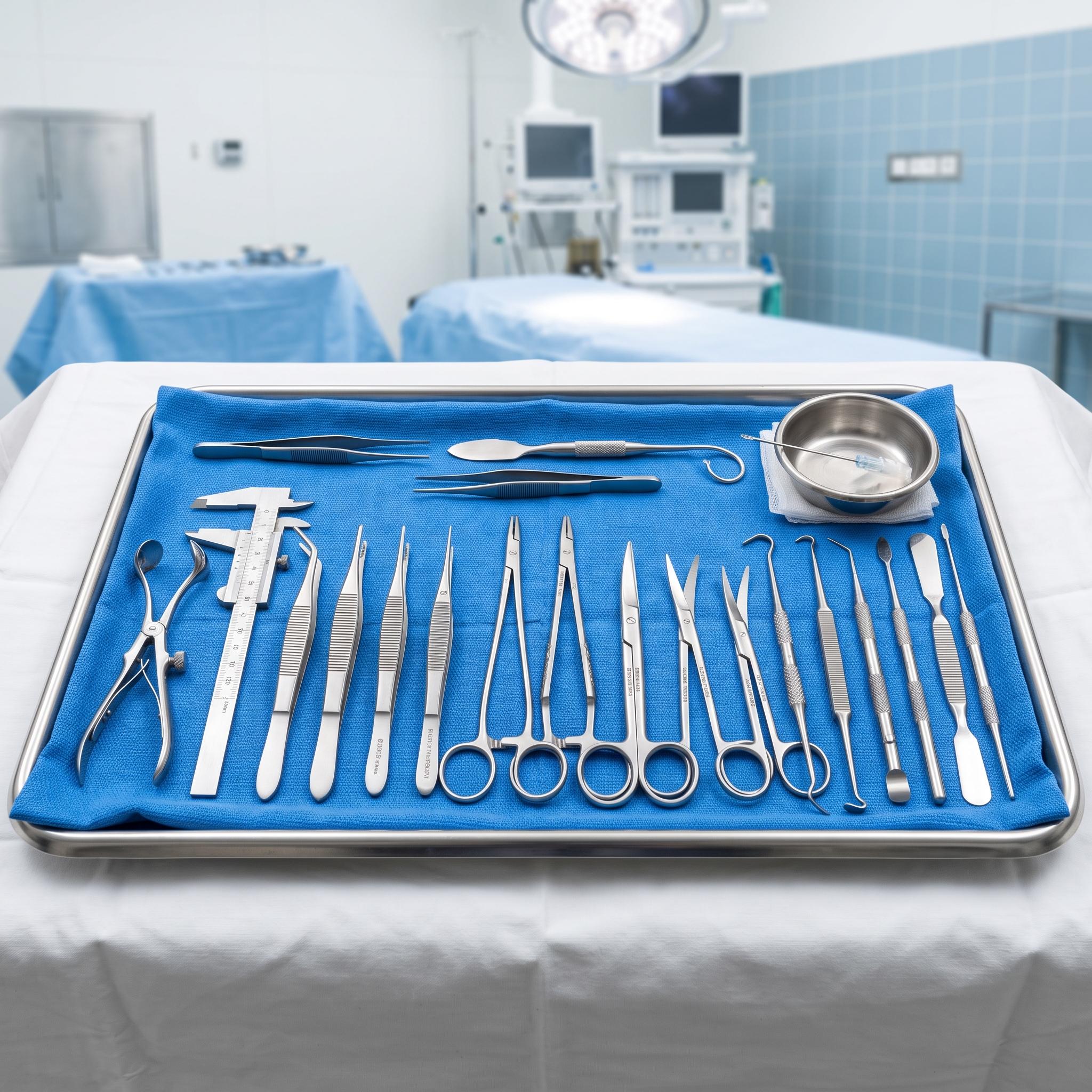
Eye care needs great skill and the right tools. Even a small mistake can affect a patient's vision. Doctors depend on quality instruments to perform safe and accurate work. Every tool has a special job, from holding delicate tissue to making clean cuts. A Basic Eye Instrument Set helps medical teams stay prepared for many eye procedures. Good instruments also make work easier and support better patient care.
Eye surgery is different from many other medical procedures because the eye is very small and delicate. Doctors need tools that offer strong control without causing damage. A well-made instrument allows smooth movement and helps reduce stress during treatment. This is why hospitals and clinics pay close attention when selecting surgical instruments.
Why Eye Procedures Need Quality Instruments
Every eye procedure requires precision. A doctor may work on tiny parts of the eye that are only a few millimeters wide. Poor-quality tools can make the work harder and may affect the final result. High-quality instruments give better grip, smooth handling, and reliable performance.
Medical teams also save time when every instrument works correctly. Instead of struggling with damaged or poorly designed tools, they can focus on patient care. Reliable instruments help improve workflow in busy operating rooms and clinics.
What Makes an Eye Instrument Set Reliable
A reliable basic eye instrument set contains instruments made from strong surgical-grade stainless steel. This material resists rust and keeps its shape after many sterilization cycles. Smooth finishes also make cleaning easier and help lower the risk of contamination.
Comfort is another important feature. Eye surgeons often perform procedures that require careful hand movement for a long time. Lightweight instruments with balanced handles reduce hand fatigue and allow better control. Small design improvements can make a big difference during delicate procedures.
Manufacturing quality also matters. Every instrument should be checked before leaving the factory. Proper alignment, smooth edges, and accurate tips help surgeons perform each step with confidence.
Common Instruments Used During Eye Procedures
An eye instrument set usually contains several specialized tools. Each one has a unique purpose during surgery or examination. Forceps help hold delicate tissue without causing damage. Scissors allow clean and controlled cutting. Needle holders provide a firm grip while placing fine sutures.
Speculums gently keep the eyelids open, giving doctors a clear view of the eye. Small blades may be used to create precise openings when needed. Different procedures require different combinations of instruments, but every tool must work smoothly throughout the treatment.
Using the correct instrument for each task helps improve accuracy and supports patient safety. Well-organized sets also make it easier for surgical teams to prepare before every procedure.
How Sterilization Protects Every Patient
Clean instruments are as important as quality instruments. Every tool must go through a proper sterilization process before it is used again. This helps remove bacteria, viruses, and other harmful germs.
Medical facilities follow strict cleaning guidelines. Instruments are washed, inspected, packed, and sterilized before returning to service. Staff also check for damage after each cleaning cycle. Any worn or damaged instrument should be replaced immediately.
A properly maintained Basic Eye Instrument Set supports infection control and helps healthcare facilities meet professional safety standards.
Tips for Choosing Right Eye Instruments
Choosing eye instruments requires more than looking at the price. Buyers should check the material, finish, balance, and manufacturing quality. Instruments should feel comfortable during use and remain reliable after repeated sterilization.
It is also helpful to choose complete sets that match the needs of the medical team. Different hospitals, eye clinics, and surgical centers may perform different procedures, so selecting the right combination of instruments is important.
Working with an experienced manufacturer also provides confidence. Reliable suppliers maintain quality standards and carefully inspect every instrument before delivery.
How Proper Care Helps Instruments Last Longer
Good maintenance protects the value of surgical instruments. Staff should clean every instrument soon after use to prevent dried material from sticking to the surface. Soft cleaning methods help protect delicate tips and edges.
Storage is also important. Instruments should be placed carefully inside protective trays to avoid scratches or bending. Regular inspection helps identify small problems before they become larger ones.
With proper care, a Basic Eye Instrument Set can provide dependable service for many years while maintaining consistent performance.
Why Professionals Trust Rigor Instruments
Healthcare professionals look for manufacturers that focus on quality, precision, and consistency. Rigor Instruments produces ophthalmic instruments designed for accuracy and long-term performance. Every instrument is carefully manufactured using high-quality materials and strict quality control.
The company understands that surgeons need dependable tools during every procedure. By offering durable instruments with precise craftsmanship, Rigor Instruments supports hospitals, surgical centers, and eye care professionals around the world.
Choosing trusted instruments helps medical teams perform confidently while maintaining high standards of patient care.
Final Thoughts
Successful eye care depends on skilled professionals and dependable instruments. Every tool plays an important role in helping surgeons work safely and accurately. From careful design to proper sterilization and maintenance, each step contributes to better treatment.
A high-quality Basic Eye Instrument Set gives healthcare providers the confidence to perform delicate procedures with precision. When combined with proper handling, regular maintenance, and trusted manufacturing from Rigor Instruments, these instruments become an important part of delivering safe and effective eye care.