 English
 Arabic
 French
 Spanish
 Portuguese
 Deutsch
 Turkish
 Dutch
Dutch
 Italiano
 Russian
 Romaian
 Portuguese (Brazil)
 Greek
Greek
Electrical insulating tape is an important material used in electrical work, wire protection, cable management, and maintenance applications. It is commonly used by electricians, technicians, engineers, and homeowners to provide insulation around electrical wires and connections. A high-quality electrical insulating tape can help protect wiring from environmental exposure, minor abrasion, and unwanted contact when used appropriately.
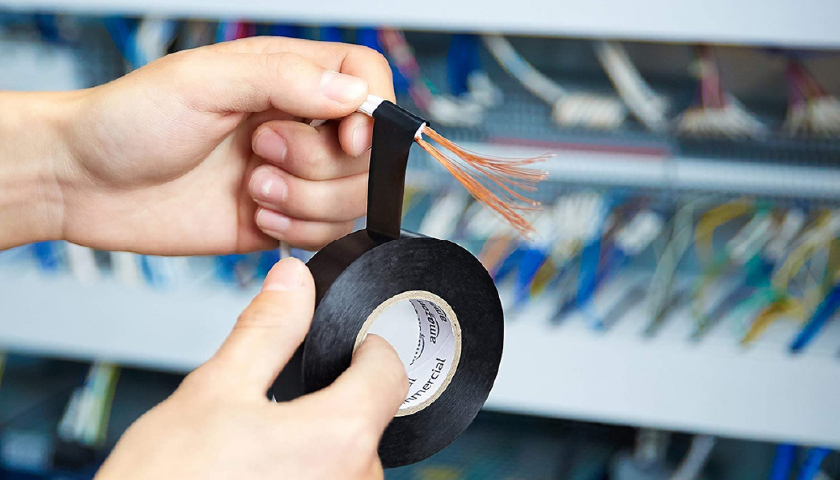
As electrical systems are used in homes, offices, factories, vehicles, and industrial facilities, the demand for reliable insulation materials remains important. Electrical tape is available in different materials, thicknesses, colors, and performance grades to suit various applications. PVC electrical tape is among the most commonly used types because of its flexibility and convenient handling.
Electrical insulating tape is also useful for organizing and identifying wires. Different tape colors can help technicians distinguish between cables and electrical circuits. This makes electrical maintenance and installation work more organized and efficient.
Choosing suitable electrical insulation tape depends on the intended application and the electrical requirements involved. Professional-quality tape can provide dependable performance when correctly selected and applied, making it a valuable material for electrical installation and maintenance work.
Electrical Insulating Tape in Daily Applications
Electrical insulating tape is widely used in residential, commercial, and industrial electrical applications. One common purpose is covering and insulating certain wire joints and connections where an appropriate tape solution is suitable. The tape can wrap around electrical conductors to provide an insulating outer layer.
PVC electrical tape is popular because it is flexible and can conform around wires and cables. This flexibility makes it easier to apply around curved surfaces and irregular shapes. Properly manufactured electrical tape can also provide resistance to everyday wear and environmental conditions within its specified application range.
Electricians often use insulating tape during installation and maintenance tasks. It can support cable organization and wire identification while providing an additional protective covering for suitable applications. Colored electrical tape is particularly useful in situations where multiple wires need to be clearly identified.
Black electrical insulating tape is commonly used for general insulation and protection, while other colors can be used for identification purposes according to applicable electrical standards and workplace practices. The availability of multiple colors makes electrical tape useful in organized wiring systems.
Electrical tape is also used in automotive applications. Vehicle electrical systems contain numerous wires and cable connections that require organized protection and maintenance. Suitable automotive electrical tape can help secure wire coverings and support cable management.
In industrial environments, electrical insulation materials are used in maintenance operations and equipment servicing. Factories and workshops often require dependable products that can support professional electrical work under appropriate conditions.
Material Quality and Insulation Performance
The quality of electrical insulating tape is extremely important because electrical work requires suitable materials and correct installation practices. A professional-grade electrical tape is designed with specific properties based on its intended use.
PVC is a commonly used material for electrical insulation tape because it provides flexibility and durability. The tape usually includes a backing material and an adhesive layer that allows it to remain securely positioned around suitable surfaces.
Adhesive performance is an important factor when selecting electrical tape. A tape should provide reliable sticking ability within its specified operating conditions. Poor-quality adhesive may cause tape to loosen over time, reducing its effectiveness.
Thickness can also affect the performance of electrical insulating tape. Different products are designed for different requirements, and the correct tape should be selected according to the manufacturer's specifications and the intended electrical application.
Good-quality insulation tape can offer resistance to normal moisture exposure, abrasion, and changing environmental conditions depending on its rating. However, electrical tape should always be used according to its specifications and should not replace approved connectors, enclosures, or other safety equipment where those are required.
Professional electricians generally select electrical insulation products based on voltage requirements, environmental conditions, and applicable safety standards. This helps ensure that the materials used are suitable for the electrical system being installed or repaired.
Reliable electrical insulating tape can provide useful protection and organization, but proper installation techniques remain equally important. Electrical work should follow relevant electrical codes and safety requirements.
Electrical Tape for Professional and Industrial Work
Electrical insulating tape is useful in many professional environments. Construction projects require organized electrical installations, while commercial buildings contain complex wiring systems that may need maintenance over time.
Electricians use different types of electrical tape depending on the task. General-purpose PVC electrical tape may be suitable for standard applications, while specialized insulation tapes may be designed for particular environmental or technical requirements.
Industrial electrical systems can involve demanding conditions. Equipment may be exposed to vibration, temperature changes, dust, and other environmental factors. Selecting suitable electrical insulation tape can help support maintenance and cable management requirements.
Cable identification is another important application. Colored electrical tape can help technicians identify wiring groups and organize cables during installation. Clear identification can make future maintenance easier and improve workplace organization.
Automotive electrical tape is also widely used in vehicle maintenance and manufacturing. Cars, trucks, motorcycles, and other vehicles contain electrical wiring systems that require proper protection and organization. Flexible insulating tape can be useful for suitable cable wrapping and wire management tasks.
Electrical tape manufacturers may produce different products for residential, commercial, automotive, and industrial markets. The availability of specialized products allows professionals to select insulation tape based on the conditions where it will be used.
Businesses that regularly require electrical supplies often look for reliable electrical tape manufacturers and suppliers. Consistent product quality is important because professional users need materials that perform according to stated specifications.
Safe Selection and Proper Use
Selecting the right electrical insulating tape requires attention to the specific application. Different electrical systems may have different requirements, and using a general-purpose tape for an unsuitable application can create safety concerns.
The product label and manufacturer's specifications should always be checked before use. Information about temperature ratings, electrical properties, and intended applications can help users select an appropriate product.
The condition of the wire or cable is also important. Damaged electrical wiring should be properly inspected and repaired using appropriate methods. Electrical insulating tape may be useful for specific approved applications, but it is not always a complete solution for damaged wiring or unsafe electrical connections.
For professional electrical installations, approved connectors and proper insulation methods should be used according to applicable regulations. Electrical tape can support insulation and protection when used correctly, but safety should always remain the priority.
Proper application can also affect performance. The tape should be applied smoothly and securely according to the product instructions. A clean surface can help improve adhesive contact, while appropriate wrapping can provide more consistent coverage.
Storage conditions can influence tape quality over time. Electrical insulating tape should generally be stored according to manufacturer recommendations to maintain its adhesive and material properties.
For complex electrical repairs or high-voltage systems, qualified professionals should handle the work. This helps reduce electrical hazards and ensures that repairs follow appropriate safety practices.
Modern Demand for Electrical Insulation Solutions
The continued growth of construction, manufacturing, automotive technology, and electrical infrastructure has increased the demand for reliable electrical insulation materials. Electrical insulating tape remains a widely recognized product because it is flexible, convenient, and available in many forms.
Modern industries require efficient solutions for cable management, wire identification, maintenance, and electrical protection. High-quality PVC electrical tape can support these activities when selected for the correct purpose.
Manufacturers continue to develop electrical tape products with improved adhesive performance and materials designed for different environments. Professional users can choose from a range of options depending on their technical and operational requirements.
The growing complexity of electrical systems also makes proper organization increasingly important. Colored insulation tape can support clear cable identification and make maintenance tasks easier for technicians.
From household electrical maintenance to large industrial operations, electrical insulating tape continues to have practical value. Its versatility and ease of use make it an important product in many electrical supply categories.
Conclusion
Electrical insulating tape is a valuable material for wire insulation, cable management, identification, and suitable electrical maintenance applications. Available in different materials and colors, it provides flexibility for residential, commercial, automotive, and industrial environments.
PVC electrical tape remains a popular choice because of its convenient application, flexibility, and dependable performance when used according to its specifications. High-quality electrical insulation tape can support professional work by helping protect and organize electrical wiring.

