 English
 Arabic
 French
 Spanish
 Portuguese
 Deutsch
 Turkish
 Dutch
Dutch
 Italiano
 Russian
 Romaian
 Portuguese (Brazil)
 Greek
Greek
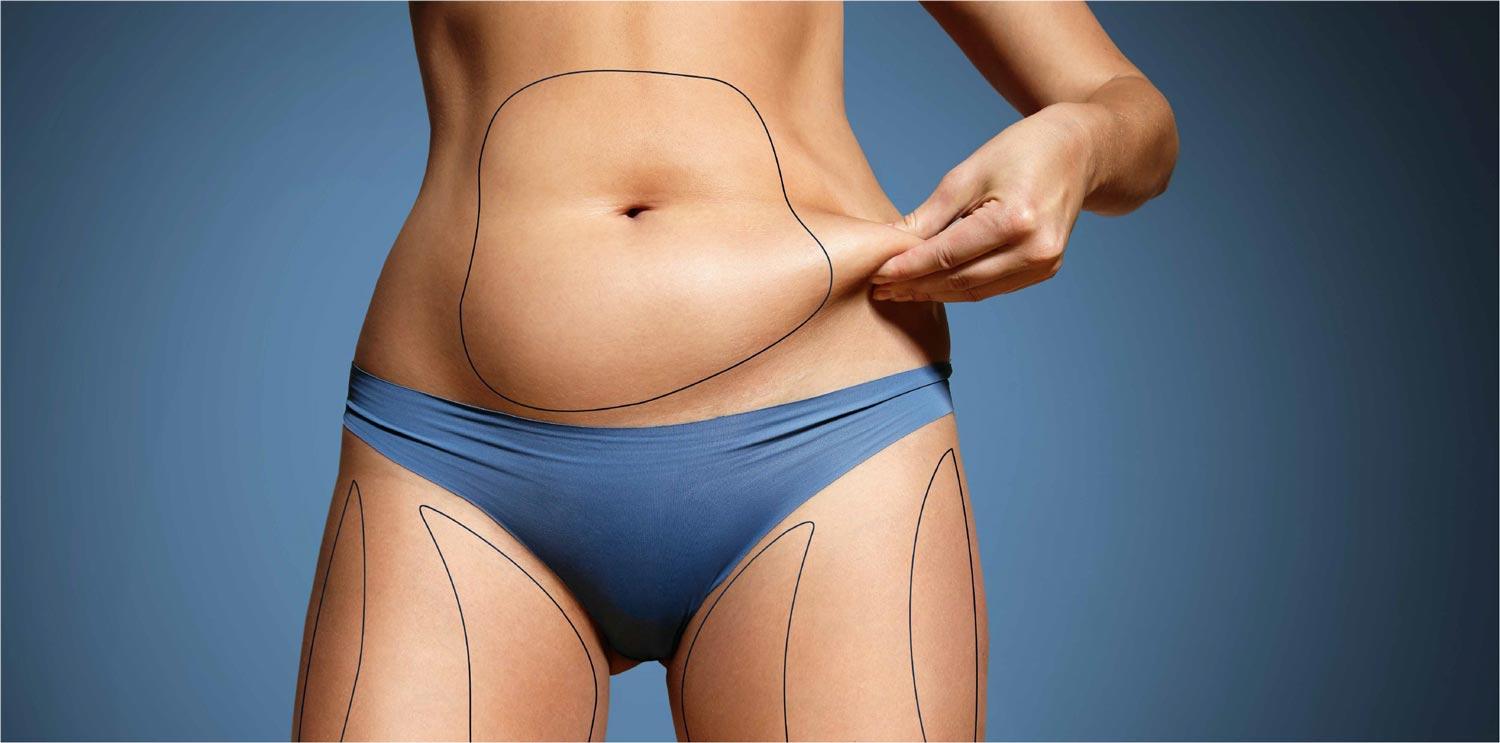
Abdominal contour is influenced by several anatomical features rather than one isolated area. The amount and position of excess skin, distribution of fatty tissue, abdominal wall structure, waistline, navel position, muscle condition, and overall body proportions can all contribute to how the abdomen appears. For this reason, consultation is an important stage when planning abdominoplasty.
Abdominoplasty Dubai is a surgical body-contouring procedure designed to address selected concerns involving excess abdominal skin and, when appropriate, the underlying abdominal wall. The treatment plan is individualized because the anatomy and proportions of each patient are different. Medical literature on abdominoplasty emphasizes the importance of a detailed history and physical examination, together with assessment of the different aesthetic subunits of the abdomen and trunk.
During a consultation with Dr. Shahram Sajjadi, abdominal proportions can be considered alongside the patient's concerns and desired changes. This allows the surgeon to understand how the abdomen relates to the waist, hips, chest, and overall body shape before determining an appropriate surgical approach.
Why Is Abdominal Proportion Important During Consultation?
Abdominal proportion refers to how different areas of the abdomen relate to one another. A person's abdomen may appear broader in the upper section, have more fullness around the lower abdomen, or have excess tissue extending toward the flanks. These differences can affect the overall body contour.
A tummy tuck is therefore not planned simply by measuring how much skin can be removed. The surgeon needs to understand the complete abdominal region and how its individual structures contribute to the patient's current contour.
Research on abdominoplasty emphasizes the importance of evaluating the abdomen as a collection of aesthetic subunits rather than examining only one isolated area.
This type of assessment can help determine whether the treatment should focus primarily on the lower abdomen, extend across a larger portion of the abdominal area, or incorporate additional contouring considerations.
How Is the Overall Abdominal Shape Evaluated?
The abdomen can be examined from multiple perspectives during consultation. The surgeon may evaluate the front of the abdomen, the waistline, the sides, and the transition between the abdomen and surrounding areas.
Important characteristics may include:
- The width and length of the abdominal area
- Distribution of excess skin
- Location of fatty tissue
- Skin elasticity
- Abdominal wall contour
- Waist-to-abdomen relationship
- Position of the navel
- Existing scars
- Muscle separation or abdominal wall changes
- Symmetry between the two sides
These observations provide a more complete understanding of the patient's individual proportions.
Physical examination is an established component of preoperative abdominoplasty planning. Studies have described assessment of skin laxity, fatty tissue, muscle tone, abdominal wall characteristics, scars, stretch marks, and the position of the umbilicus as relevant considerations during consultation.
How Does Excess Skin Affect Abdominal Proportion?
Excess skin is one of the main anatomical factors considered during abdominoplasty planning. Its location and amount can influence which type of procedure may be appropriate.
Some patients have most of their excess skin below the navel, while others have laxity extending across a larger portion of the abdomen. Skin may also extend toward the sides of the body following significant weight changes or pregnancy.
The American Society of Plastic Surgeons explains that the amount and location of excess skin, together with skin quality, body type, and distribution of excess fat, can influence the type of tummy tuck selected.
During consultation, Dr. Shahram Sajjadi can assess how the excess skin relates to the patient's abdominal proportions. This helps establish whether a particular area requires greater attention when developing the surgical plan.
How Is Abdominal Fat Distribution Considered?
Fat distribution can vary considerably between individuals. Some people have more superficial fatty tissue around the lower abdomen, while others have fullness around the upper abdomen, waist, or flanks.
It is important to distinguish fat located within the abdominal wall from deeper visceral fat inside the abdominal cavity. These are anatomically different and can contribute differently to abdominal appearance. Research on abdominal contouring specifically highlights the importance of distinguishing between abdominal-wall fat and intra-abdominal fat during patient assessment.
During consultation, the surgeon can evaluate where the visible fullness is located and how it relates to the overall abdominal contour. This information may help determine whether abdominoplasty alone or a broader contouring strategy should be discussed.
How Is the Abdominal Wall Assessed?
The abdominal wall provides structural support beneath the skin and fatty tissue. Changes to this area can influence the shape and projection of the abdomen.
The surgeon may assess the condition of the abdominal muscles and the central abdominal wall, including whether there is evidence of muscle separation known as rectus diastasis.
Abdominal wall assessment is an established part of modern abdominoplasty planning. Evidence-based reviews describe rectus diastasis correction and abdominal wall assessment as important considerations in appropriate patients.
The presence and extent of abdominal wall changes can therefore influence the overall surgical plan and how abdominal proportions are addressed.
Why Is the Waistline Considered?
The abdomen does not end at the front of the body. The transition from the abdominal area to the waist and flanks contributes significantly to overall body proportions.
If excess tissue extends toward the sides, focusing exclusively on the central abdomen may not fully address the patient's stated contour concerns. Conversely, if the main concern is concentrated in the central lower abdomen, a more limited approach may be considered depending on the individual's anatomy.
The American Society of Plastic Surgeons notes that different tummy tuck approaches can address different anatomical areas, with extended procedures potentially treating tissue that extends toward the hips and sides.
This is why consultation involves evaluating the abdomen and surrounding areas as a connected body contour.
How Does Navel Position Influence Abdominal Proportion?
The umbilicus, or belly button, is a central landmark of the abdomen. Its position can influence the visual balance between the upper and lower sections of the abdominal wall.
During consultation, the surgeon can assess the location of the navel in relation to the abdominal midline, pubic region, surrounding skin, and overall abdominal length.
Research describing preoperative abdominal assessment includes evaluation of the position of the umbilicus relative to the pubis as part of the anatomical examination.
When developing a treatment plan, the navel therefore becomes part of the overall proportional assessment rather than being considered separately.
How Is Abdominal Symmetry Evaluated?
The left and right sides of the abdomen may not be identical. Differences can occur in the position of the waist, distribution of fatty tissue, skin laxity, muscle contour, and previous surgical scars.
During consultation, these characteristics can be examined from the front and sides. Photographs and preoperative markings may also help document the existing anatomy.
Preoperative symmetry assessment has been studied in abdominal surgery, demonstrating the value of objective assessment before surgical marking.
For a patient considering Abdominoplasty Dubai, recognizing existing asymmetry is useful because the treatment plan can be based on the actual abdominal structure rather than assuming that both sides have identical anatomy.
How Do Previous Pregnancy and Weight Changes Affect Proportion?
Pregnancy and significant changes in body weight can alter the skin, abdominal wall, and distribution of tissue. These changes can influence the proportions that the surgeon observes during consultation.
Pregnancy may stretch the abdominal skin and abdominal wall, while substantial weight loss can leave excess skin across different areas of the abdomen and sometimes the flanks.
The International Society of Aesthetic Plastic Surgery identifies pregnancy, significant weight loss, weight fluctuations, aging, and genetics among factors that can contribute to loose abdominal skin and changes in the abdominal wall.
During consultation, discussing previous pregnancies and major changes in weight can therefore provide useful context for understanding the current abdominal anatomy.
How Are Previous Abdominal Scars Considered?
Previous abdominal surgery can leave scars that affect the appearance and structure of the abdominal skin. The location and direction of a previous scar can be relevant when planning future abdominal surgery.
The surgeon may ask about procedures such as caesarean sections, appendectomy, laparoscopic operations, hernia procedures, or previous cosmetic surgery.
Medical literature identifies previous abdominal operations and existing scars as important factors in preoperative abdominoplasty assessment.
The consultation allows these details to be incorporated into the overall understanding of the abdomen before the surgical plan is established.
How Is Skin Quality Considered?
Skin quality can influence abdominal contour because skin needs to accommodate changes in the underlying tissues. During assessment, the surgeon may examine elasticity, laxity, thickness, stretch marks, and the way the skin moves over the abdominal wall.
A clinical assessment of the abdominal skin can help establish where the greatest degree of laxity is located and how the skin contributes to the patient's overall proportions.
Research on abdominal contouring specifically describes assessment of skin tone and elasticity as part of the consultation process.
This information can help the surgeon understand the relationship between the skin envelope and the deeper abdominal structures.
How Does Body Shape Influence Abdominoplasty Planning?
Abdominal proportions cannot be considered independently from the patient's overall body shape. The relationship between the abdomen, waist, hips, chest, and lower body can influence the way contour changes are planned.
Two patients with similar amounts of excess abdominal skin may therefore have different treatment plans because their body proportions and tissue distribution are different.
The American Society of Plastic Surgeons notes that body type, skin quality, excess skin, and fat distribution all contribute to determining the appropriate tummy tuck approach.
For this reason, the objective of consultation is not simply to remove a particular amount of tissue. Instead, it is to understand how the abdomen fits within the patient's overall body structure.
How Is the Appropriate Type of Abdominoplasty Determined?
Different forms of abdominoplasty are available, and the appropriate approach depends on the location and extent of abdominal tissue changes.
A mini tummy tuck may be considered for selected patients whose concerns are concentrated primarily in the lower abdomen. A full abdominoplasty can address more extensive abdominal skin laxity, while an extended approach may be considered when excess tissue extends toward the flanks.
The International Society of Aesthetic Plastic Surgery describes the selection of mini, standard, and extended abdominoplasty according to factors such as the location of skin laxity, abdominal wall changes, previous surgery, and individual anatomy.
Therefore, abdominal proportion is directly relevant when determining which treatment approach may be discussed during consultation.
What Role Does Physical Examination Play?
Physical examination allows the surgeon to assess the abdomen directly rather than relying solely on photographs or a patient's description.
The assessment may involve examining the abdomen while the patient is standing and observing skin laxity, tissue distribution, abdominal wall contour, symmetry, scars, and other anatomical landmarks.
Preoperative marking is also generally performed with the patient standing because this position allows assessment of soft-tissue laxity and abdominal contour in a natural posture.
This detailed examination helps translate the patient's concerns into specific anatomical considerations.
How Can Abdominoplasty Goals Be Discussed During Consultation?
Patients may have different reasons for considering abdominoplasty. Some may be primarily concerned about loose lower abdominal skin, while others may want to address changes following pregnancy or substantial weight loss.
During consultation, it can be helpful to describe specific concerns rather than simply requesting a "flatter stomach." For example, patients can discuss whether their main concern involves:
- Lower abdominal skin
- Upper abdominal fullness
- Waist definition
- Abdominal wall contour
- Navel position
- Skin laxity
- Tissue extending toward the flanks
- Overall abdominal proportions
Dr. Shahram Sajjadi can then relate these concerns to the physical findings and discuss which treatment approach may correspond with the patient's anatomy.
What Can Patients Ask Dr. Shahram Sajjadi?
A consultation is an opportunity to understand how individual anatomy influences treatment planning. Patients considering Abdominoplasty Dubai can ask questions such as:
- How does my abdominal shape influence the treatment plan?
- Where is my excess skin primarily located?
- How does my abdominal wall contribute to my current contour?
- Would my waist and flanks be considered during planning?
- How does my navel position affect the procedure?
- Which type of abdominoplasty may be appropriate for my anatomy?
- How do previous abdominal scars affect planning?
- What factors are considered when determining whether additional contouring should be discussed?
- What information is included when determining the cost of treatment?
These questions can help patients understand the relationship between their individual anatomy and the proposed procedure.
What Factors Are Considered When Discussing Best Abdominoplasty Dubai?
Patients searching for Best abdominoplasty Dubai may encounter different approaches and treatment options. However, the appropriate procedure cannot be determined simply by selecting a standard technique.
A meaningful consultation should consider the patient's abdominal anatomy, tissue distribution, skin characteristics, abdominal wall, body proportions, previous surgery, and individual objectives. Evidence-based literature emphasizes individualized assessment when determining the appropriate abdominoplasty technique.
For this reason, patients can focus on understanding how the proposed treatment relates to their specific anatomy and goals when discussing treatment with Dr. Shahram Sajjadi.
Conclusion
Abdominal proportion is an important consideration during abdominoplasty consultation because the appearance of the abdomen is shaped by multiple connected structures. Excess skin, fatty tissue, abdominal wall condition, waistline, navel position, skin quality, symmetry, scars, and overall body shape can all contribute to the patient's abdominal contour.
Abdominoplasty Dubai is therefore planned on an individual basis. A detailed physical examination allows the surgeon to understand how different anatomical features relate to one another and determine which treatment approach may be appropriate. Research and professional guidance consistently emphasize the importance of individualized anatomical assessment in abdominoplasty planning.
For patients consulting Dr. Shahram Sajjadi, discussing personal goals alongside a detailed assessment of abdominal proportions can provide a clearer understanding of the proposed treatment plan. The consultation can also help explain how different anatomical factors relate to the choice of procedure and the patient's specific objectives.
Frequently Asked Questions
What is abdominal proportion in abdominoplasty planning?
Abdominal proportion refers to the relationship between different areas of the abdomen, including the upper and lower abdomen, waist, flanks, navel, skin envelope, and abdominal wall. These relationships can influence how treatment is planned.
Why is abdominal proportion assessed during an abdominoplasty consultation?
Assessing abdominal proportion helps the surgeon understand the patient's complete body contour rather than focusing on one isolated area. It can help determine where excess skin and tissue are located and which treatment approach may be appropriate.
What does a surgeon examine during an abdominoplasty consultation?
The examination may include skin laxity, skin quality, fat distribution, abdominal wall condition, muscle separation, navel position, symmetry, previous scars, and the relationship between the abdomen and surrounding body areas.
Does body shape influence abdominoplasty planning?
Yes. Body type and the relationship between the abdomen, waist, hips, and surrounding areas can influence the treatment plan. The American Society of Plastic Surgeons notes that body type, skin quality, excess skin, and fat distribution are among the factors considered when selecting a tummy tuck approach.
How does excess skin affect the choice of abdominoplasty?
The location and extent of excess skin can help determine whether a mini, full, or extended abdominoplasty should be discussed. Each approach addresses a different anatomical distribution of tissue.
Why is the navel assessed during consultation?
The navel is an important central landmark of the abdomen. Its position in relation to the pubis and surrounding abdominal structures can contribute to overall abdominal proportions and is therefore considered during planning.
Can abdominal muscle separation be considered during consultation?
Yes. The surgeon can assess the abdominal wall and determine whether there is evidence of rectus diastasis or other structural changes. Abdominal wall assessment is an established part of abdominoplasty planning.
How do previous pregnancies affect abdominal assessment?
Pregnancy can stretch the abdominal skin and abdominal wall. During consultation, the surgeon can consider the resulting skin laxity, abdominal wall changes, and current tissue distribution when developing the treatment plan.
How does previous weight loss affect abdominal proportions?
Significant weight loss can leave excess skin and alter the distribution of abdominal tissue. The amount and location of this excess skin can influence which type of abdominoplasty may be considered.
Are previous abdominal scars considered?
Yes. Previous abdominal operations and scars are relevant parts of the medical and surgical history and can be considered when developing the abdominoplasty plan.
Is abdominal fat distribution assessed?
Yes. The surgeon can assess where fatty tissue is located and distinguish abdominal-wall fullness from deeper intra-abdominal fat, as these structures contribute differently to abdominal contour.
How is abdominal symmetry assessed?
The surgeon may examine the abdomen from different views to identify differences between the left and right sides. Photographs and preoperative markings can also assist with documenting the existing anatomy.
Can the waist and flanks be considered during abdominoplasty planning?
Yes. If excess tissue extends toward the sides of the body, the waist and flanks may be considered when determining the appropriate treatment approach. An extended abdominoplasty can address tissue that extends beyond the central abdomen in selected patients.
What is the difference between a mini and full abdominoplasty?
A mini abdominoplasty generally focuses on selected concerns in the lower abdomen, while a full abdominoplasty addresses more extensive abdominal skin laxity and may involve the area around the navel and abdominal wall. The appropriate approach depends on individual anatomy.
What does Best abdominoplasty Dubai mean?
Best abdominoplasty Dubai is a search term used by patients looking for abdominoplasty treatment. Rather than relying on a general label, patients should consider whether the proposed treatment is based on their individual abdominal anatomy, goals, and consultation findings.
Who can I consult for Abdominoplasty Dubai?
Patients considering Abdominoplasty Dubai can consult Dr. Shahram Sajjadi to discuss their abdominal proportions, skin and tissue characteristics, abdominal wall structure, treatment objectives, and the appropriate surgical approach for their individual anatomy.

