 English
 Arabic
 French
 Spanish
 Portuguese
 Deutsch
 Turkish
 Dutch
Dutch
 Italiano
 Russian
 Romaian
 Portuguese (Brazil)
 Greek
Greek
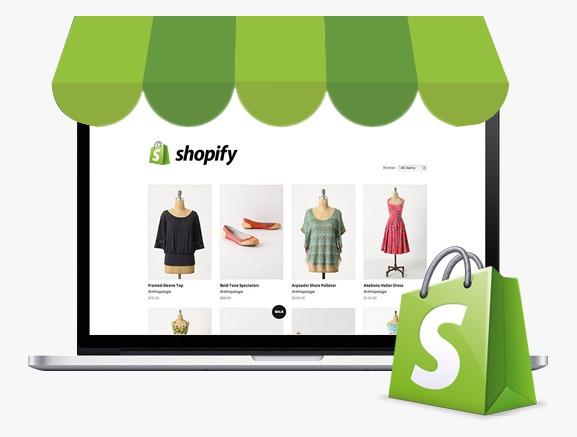
Running paid ads on a Shopify store can generate quick sales, but the cost per click rarely goes down over time, and the traffic disappears the moment the budget does. Organic search works differently. It takes longer to build, but a well-optimized store keeps attracting shoppers long after the initial work is done — without paying for every single visit.
Why SEO Matters More on Shopify, Not Less
Shopify makes it easy to launch a store, which is exactly why organic search is so competitive in almost every niche. Thousands of stores sell similar products, often sourced from the same suppliers, which means product descriptions and page structures are frequently identical across dozens of competitors. Standing out organically requires deliberate optimization rather than relying on Shopify's default setup.
Start With Keyword Research That Matches Buyer Intent
Not all keywords are equal. A term like "running shoes" is broad and dominated by massive retailers, while "women's trail running shoes for wide feet" reflects a shopper much closer to purchasing. Effective ecommerce keyword research maps these different intent levels to the right page type — broad terms to collection pages, specific terms to product pages, and informational terms to blog or guide content.
Optimize Product Pages Where the Buying Decision Happens
Product pages carry the most weight because they're where a visitor actually decides to buy. A few adjustments make a measurable difference:
- Writing unique product descriptions instead of using manufacturer copy that appears on dozens of other sites
- Including the target keyword naturally in the title, first paragraph, and image alt text
- Answering the practical questions a buyer has — sizing, materials, shipping timelines
- Adding genuine customer reviews, which both build trust and generate fresh, unique content over time
Don't Neglect Collection Pages
Collection pages often get treated as an afterthought, but they're frequently the pages that rank for broader, higher-volume search terms. A collection page with even a short block of original descriptive text — rather than just a grid of products — gives search engines more context about what the category actually offers, and it helps shoppers who land there understand their options faster.
Meta Titles and Descriptions That Earn the Click
Ranking well isn't enough if nobody clicks the result. Meta titles should lead with the most relevant keyword and a clear value proposition, while meta descriptions should give shoppers a concrete reason to choose that result over the nine others on the page — free shipping thresholds, size ranges, or same-day dispatch, for example.
Internal Linking Ties the Store Together
Shopify stores with strong internal linking — related products, collection cross-links, blog posts linking to relevant product pages — help both shoppers and search engines navigate the site more effectively. This also spreads ranking authority from well-established pages to newer ones that need help getting noticed.
Image Optimization for Speed and Discovery
Product photography sells, but oversized image files are one of the most common reasons Shopify stores load slowly. Compressing images, using descriptive file names, and writing accurate alt text all support both site speed and image search visibility, which can be a meaningful traffic source for visually driven products.
Site Speed and Mobile Experience
The majority of ecommerce traffic now arrives on mobile devices, and a slow-loading store loses sales before a visitor even sees a product. Reducing app bloat, compressing images, and choosing a lightweight theme all contribute to faster load times, which directly affects both rankings and conversion rates.
Technical SEO and Structured Data
Behind the scenes, technical factors like proper heading structure, clean URLs, and correctly implemented structured data (schema markup for products, reviews, and pricing) help search engines understand and display store content more effectively — including rich results like star ratings that appear directly in search listings and improve click-through rates.
Content That Supports the Buying Journey
Blog content and buying guides fill the gap between someone's first search and their eventual purchase. A guide comparing product types, or answering a common pre-purchase question, can rank for informational searches and guide that reader toward a relevant product page at the right moment.
Building Links to an Ecommerce Store
Link building for ecommerce looks different from other industries — it often comes from product reviews, gift guides, supplier or manufacturer pages, and relevant niche publications rather than generic guest posts. These links build the domain authority that helps every page on the store rank better over time.
Measuring Organic Growth the Right Way
Tracking should go beyond overall traffic numbers. Organic revenue, conversion rate by landing page, and keyword rankings for commercial (not just informational) terms give a clearer picture of whether SEO work is actually translating into sales.
Bringing It All Together
SEO for Shopify touches nearly every part of a store, from product copy to page speed to backend structured data, and staying on top of all of it while running the business day to day is genuinely difficult. Many growing stores eventually turn to Shopify SEO services in USA to manage this ongoing work, freeing up the owner's time to focus on product, fulfillment, and customer experience while the organic channel compounds in the background.
~!! XX Zahra Seafood First Time SX XX Vdeo pon Vdeos XX XX SXy XVdeo bf XX XX SX XVdeo asj
Film |
2025-05-01 15:54:03


