English
 Arabic
 French
 Spanish
 Portuguese
 Deutsch
 Turkish
 Dutch
Dutch
 Italiano
 Russian
 Romaian
 Portuguese (Brazil)
 Greek
Greek
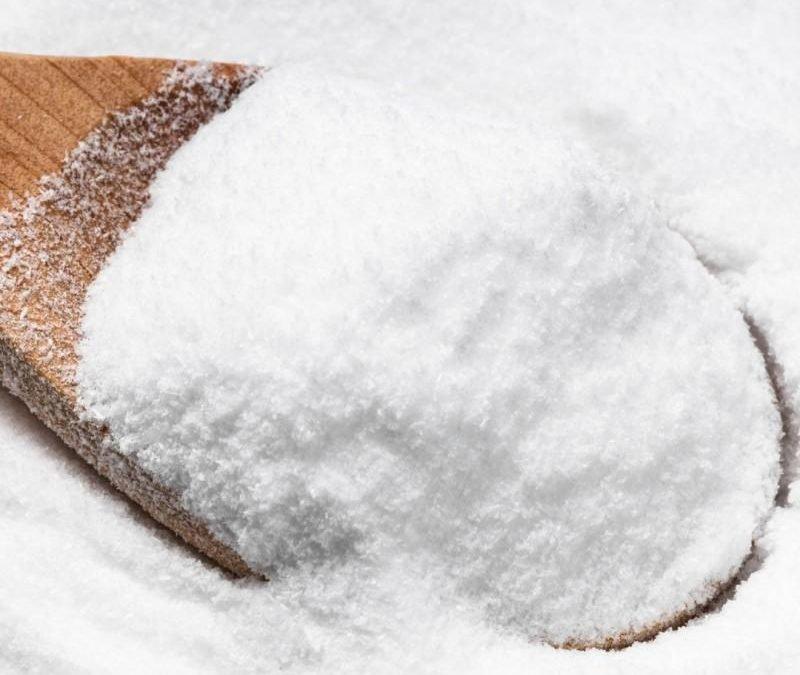
Introduction to Activated Carbon
کربن فعال — activated carbon, also known as activated charcoal — is a form of carbon that has been processed to create an extraordinarily porous internal structure with an enormous surface area that provides exceptional adsorption capacity for a wide range of gaseous and dissolved substances. Produced from carbonaceous raw materials including coal, coconut shell, wood, and various agricultural byproducts through a two-stage process of carbonization followed by activation, activated carbon is one of the most versatile adsorbent materials available to industrial and environmental applications. Its internal surface area, typically ranging from 500 to 1500 square meters per gram, creates the adsorption capacity that makes it effective at removing contaminants from water, air, and process streams at concentrations ranging from parts per billion to percent levels.
Production and Raw Materials
The production of activated carbon begins with carbonization — the thermal decomposition of the raw material in an inert atmosphere at temperatures around 400 to 700 degrees Celsius, which drives off volatile components and leaves a carbon skeleton with a nascent pore structure. The activation step — the most important stage for developing adsorption capacity — involves either steam activation (physical activation) at temperatures of 800 to 1000 degrees Celsius, which selectively gasifies portions of the carbon structure to create and enlarge pores, or chemical activation using zinc chloride, phosphoric acid, or potassium hydroxide impregnation before or during carbonization. The raw material choice and activation method together determine the pore size distribution, surface chemistry, and specific application suitability of the finished activated carbon product.
Water Treatment Applications
Drinking water treatment is the largest single application for activated carbon globally. Municipal water treatment systems use activated carbon — both in granular activated carbon (GAC) filter beds and as powdered activated carbon (PAC) added directly to the treatment process — to remove taste and odor compounds, synthetic organic chemicals including pesticides and industrial solvents, and disinfection byproducts including trihalomethanes and haloacetic acids that form when chlorine reacts with natural organic matter. The adsorption of these contaminants by activated carbon significantly improves the aesthetic quality and safety of treated drinking water.
Air Purification and Gas Treatment
Industrial air pollution control systems use activated carbon in vapor phase applications to adsorb volatile organic compounds (VOCs), solvent vapors, mercury vapors, and various other gaseous pollutants from industrial exhaust streams before atmospheric discharge. Activated carbon filters in industrial ventilation systems protect workers from exposure to chemical vapors in painting, printing, chemical processing, and other operations where solvent vapors or chemical fumes are generated. Indoor air purification systems including HEPA-carbon combination filters use activated carbon to remove chemical odors, volatile organic compounds from building materials, and trace organic contaminants from indoor air.
Gold Recovery in Mining
The mining industry uses activated carbon extensively in the carbon-in-leach (CIL) and carbon-in-pulp (CIP) processes for the recovery of gold from cyanide leach solutions. In these processes, activated carbon is contacted with gold-cyanide bearing solutions, and the gold-cyanide complex adsorbs onto the activated carbon surface with high selectivity. The gold-loaded carbon is then stripped with hot caustic cyanide solution to desorb the gold, which is recovered by electrowinning. The stripped carbon is regenerated by kiln treatment and returned to the adsorption circuit. This activated carbon-based gold recovery process has largely replaced older zinc precipitation methods in modern gold mining operations.
Food and Beverage Processing
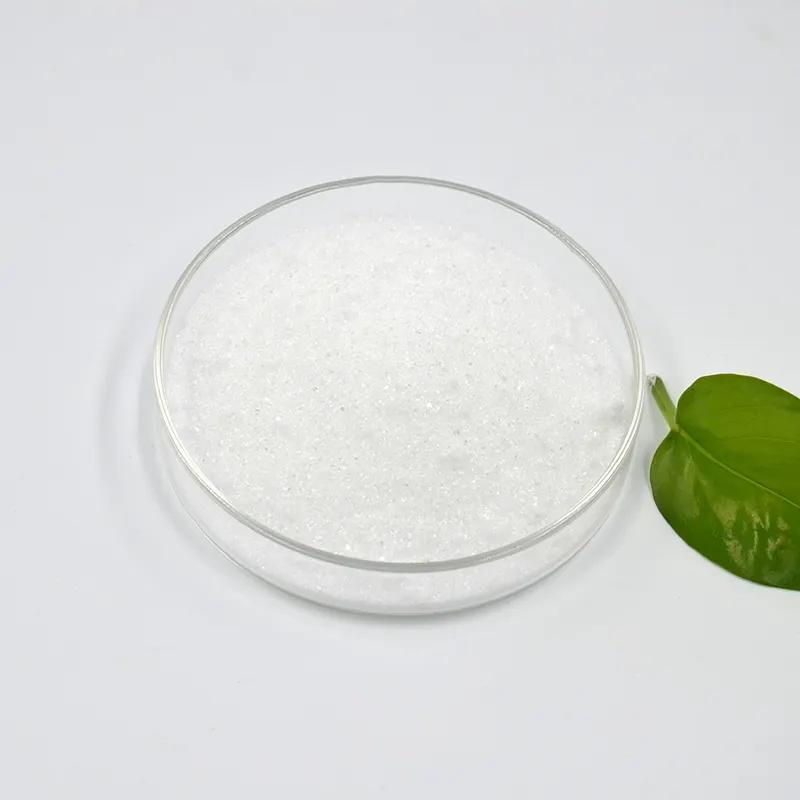
Food and beverage applications use activated carbon for the decolorization, deodorization, and purification of products including sugar syrups, edible oils, beverages, and pharmaceutical intermediates. Activated carbon removes color bodies, off-flavors, and trace organic impurities from these products, improving their sensory quality and meeting the purity specifications required for their intended markets. The food industry uses food-grade activated carbon that meets regulatory requirements for use in food contact applications.
Pharmaceutical and Medical Applications
Pharmaceutical applications of activated carbon range from its use as an emergency treatment for poisoning — oral activated charcoal adsorbs many drugs and chemical poisons in the gastrointestinal tract, reducing their systemic absorption — to its use as a purification material in pharmaceutical manufacturing for removing color and organic impurities from drug substances and formulation components.