 English
 Arabic
 French
 Spanish
 Portuguese
 Deutsch
 Turkish
 Dutch
Dutch
 Italiano
 Russian
 Romaian
 Portuguese (Brazil)
 Greek
Greek
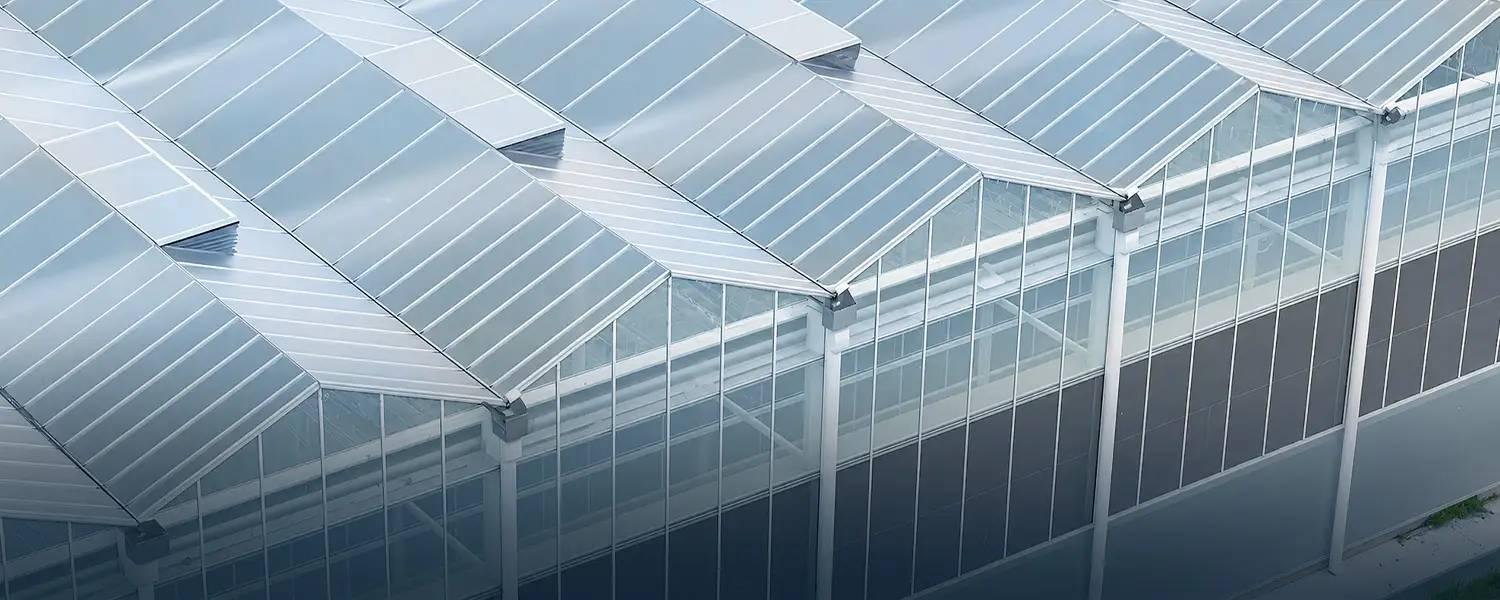
Across continents, the landscape of agriculture is shifting. Fields that once depended entirely on rainfall and seasons are increasingly being joined by modern protected structures that allow food to be grown with precision and reliability. From Europe and North America to the Middle East, Africa, and Asia, commercial greenhouses are becoming a central part of national food strategies and private farming investments. Sainpoly, a leading commercial greenhouse manufacturer, has seen this global demand grow firsthand as growers seek better ways to produce more food with fewer resources and less risk.
Climate Change and Weather Uncertainty
One of the strongest drivers of greenhouse adoption is the growing unpredictability of weather. Droughts, floods, heatwaves, and unseasonal frosts have become more frequent in many regions, threatening harvests and farm incomes. Greenhouses provide a buffer against these extremes by protecting crops inside a managed environment. Farmers no longer have to gamble an entire season on favorable weather. This security is especially attractive to commercial growers and investors who need dependable production to meet contracts and repay financing.
Rising Global Food Demand
The world's population continues to grow, and with it the demand for fresh fruits, vegetables, and flowers. At the same time, consumers increasingly expect year-round availability of produce that was once seasonal. Commercial greenhouses allow farms to increase output and supply markets consistently throughout the year. By producing more food per square meter than open-field agriculture, they help meet rising demand without requiring large amounts of new farmland, which is becoming scarce in many countries.
Limited Land and Urban Expansion
As cities expand, agricultural land near population centers is shrinking. Greenhouses offer a solution by making intensive use of smaller plots. They can be built on land unsuitable for traditional farming, such as areas with poor soil, and even close to urban areas. Growing food near consumers shortens supply chains, reduces transport costs, and delivers fresher products. This proximity to markets has made greenhouses particularly popular with growers supplying supermarkets, restaurants, and local distribution networks.
Water Scarcity Concerns
Water shortages affect agriculture in many parts of the world, from arid regions of the Middle East to drought-prone areas elsewhere. Greenhouses use water much more efficiently than open fields because evaporation is reduced and irrigation can be delivered precisely to the roots. When combined with recirculating or hydroponic systems, water savings can be dramatic. Governments and growers in water-stressed regions view greenhouses as an essential tool for maintaining food production while protecting limited water supplies.
Advances in Greenhouse Technology
Modern greenhouses are far more sophisticated than the simple structures of the past. Automated climate controls, efficient lighting, thermal screens, sensor networks, and data-driven growing strategies have transformed what is possible. These technologies make greenhouses easier to operate, more energy efficient, and more productive. As equipment becomes more affordable and accessible, growers in developing markets can adopt advanced systems that were once limited to wealthy agricultural nations, fueling global growth in protected cultivation.
Food Safety and Quality Expectations
Consumers and retailers are paying closer attention to how food is produced. Greenhouse crops benefit from reduced exposure to pests, contaminants, and extreme weather, often requiring fewer chemical treatments. Controlled growing also produces consistent size, color, and taste. These qualities help growers meet strict food safety standards and certification requirements demanded by supermarkets and export markets. For many farms, greenhouses offer a path to premium pricing and stronger buyer relationships.
Government Support and Investment
Many governments now recognize protected agriculture as a strategic priority for food security. Subsidies, low-interest loans, and development programs are encouraging farmers to invest in greenhouses. Private investors are also showing interest because greenhouse projects offer more predictable returns than traditional farming. This combination of public and private support is accelerating the construction of commercial greenhouse facilities in regions that previously relied heavily on imported fresh produce.

Choosing the Right Structure for Each Region
Global growth does not mean every greenhouse should look the same. Hot climates may need strong cooling and shading, while cold regions require insulation and efficient heating. Sainpoly offers a range of designs, including multi-span, Venlo, film, polycarbonate, and hydroponic greenhouses, allowing each project to match local conditions. Choosing the right structure ensures growers get the best performance from their investment, whatever the environment.
The Future of Global Agriculture
The popularity of commercial greenhouses reflects a broader shift toward smarter, more resilient farming. As challenges around climate, land, and water continue, protected cultivation will play an even larger role in feeding the world. Growers who adopt greenhouse technology now gain a competitive advantage in reliability, quality, and efficiency. With its manufacturing experience and global outlook, Sainpoly supports growers in building facilities that meet today's demands while preparing for the agricultural challenges of tomorrow.

