 English
 Arabic
 French
 Spanish
 Portuguese
 Deutsch
 Turkish
 Dutch
 Italiano
 Russian
 Romaian
 Portuguese (Brazil)
 Greek
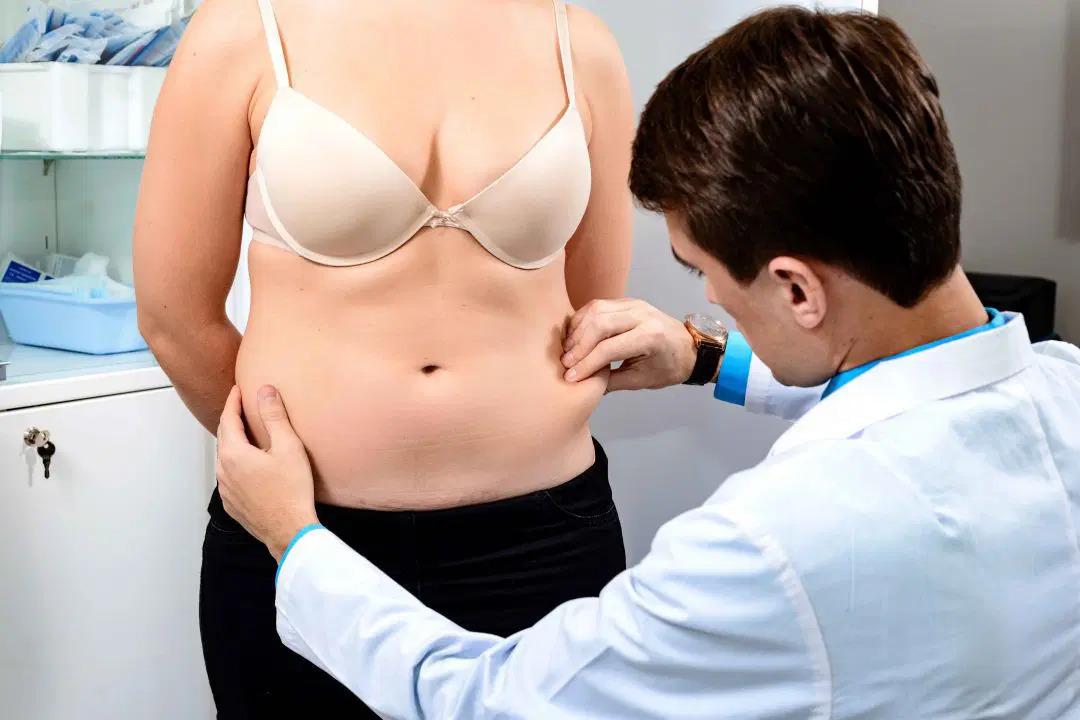
Changes in the abdominal area can occur for many reasons, including pregnancy, significant weight fluctuations, ageing, and changes in skin elasticity. Even with regular exercise and a balanced lifestyle, some individuals may find that loose skin or weakened abdominal muscles remain difficult to address through non-surgical methods alone. Abdominoplasty, commonly known as a tummy tuck, is a surgical procedure designed to remove excess abdominal skin and, when appropriate, tighten weakened abdominal muscles to create a flatter and more defined abdominal contour.
For individuals considering abdominoplasty dubai, understanding the procedure, preparation requirements, recovery timeline, and long-term considerations is essential. A carefully planned treatment journey begins with an individual assessment, realistic expectations, and a clear understanding of the available surgical options.
With reference to Dr. Matteo Vigo, discussions about abdominal contouring can focus on personalised treatment planning, appropriate patient selection, and an approach that considers both aesthetic goals and medical needs. The objective is to help patients understand what abdominoplasty can achieve and how thoughtful preparation can support the recovery process.
Whether the concern involves excess skin after pregnancy, changes following substantial weight loss, or abdominal laxity that persists despite lifestyle efforts, learning about the procedure can help individuals make informed decisions about their options.
Understanding Abdominoplasty and Its Purpose
Abdominoplasty is a surgical procedure that removes excess skin and may remove or reposition some abdominal fat. It can also involve tightening the abdominal wall when the muscles have separated or become weakened.
The procedure is often considered by individuals who have experienced significant changes in their abdominal appearance. Pregnancy may stretch the skin and separate the rectus abdominis muscles, a condition known as diastasis recti. Similarly, substantial weight loss can leave folds of skin that do not retract sufficiently.
A tummy tuck is not intended to replace weight management or serve as a primary weight-loss procedure. Instead, it addresses specific concerns involving excess skin, abdominal contour, and, in selected cases, muscle separation.
When exploring abdominoplasty dubai, patients should understand that the appropriate technique depends on the amount and location of excess skin, abdominal muscle condition, previous surgery, general health, and desired outcome.
The procedure can improve the abdominal profile, but it does not stop natural ageing or prevent future changes caused by pregnancy or significant weight fluctuations. A personalised consultation helps establish realistic expectations and determine whether surgery is appropriate.
Why Personalised Treatment Planning Matters
Every patient has different abdominal anatomy, skin characteristics, and treatment priorities. Some individuals have a relatively small amount of loose skin below the navel, while others have more extensive skin laxity across the upper and lower abdomen.
A personalised treatment plan takes these differences into account rather than applying the same surgical method to everyone.
The assessment may consider:
-
The amount and location of excess skin.
-
The distribution of abdominal fat.
-
The strength and separation of the abdominal muscles.
-
Skin elasticity and the location of existing scars.
-
Previous abdominal procedures or operations.
-
General health, medications, and factors affecting wound healing.
-
The patient's expectations and plans for future pregnancy or weight changes.
With reference to Dr. Matteo Vigo, treatment planning should emphasise a detailed assessment and clear communication about achievable outcomes. Patients should understand the anticipated incision, expected changes in abdominal contour, likely recovery requirements, and limitations of the procedure before making a decision.
A well-considered plan prioritises suitability and safety alongside aesthetic improvement.
Different Types of Tummy Tuck Procedures
Abdominoplasty is not a single, uniform procedure. Different techniques are available to address varying degrees of skin laxity and abdominal muscle changes.
Full Abdominoplasty
A full abdominoplasty is generally considered when excess skin and tissue affect a substantial portion of the abdomen, particularly above and below the navel.
The procedure typically involves an incision across the lower abdomen, removal of selected excess skin, and repositioning of the navel through a separate opening when necessary. The abdominal muscles may also be tightened if indicated.
This approach can provide a more extensive change in abdominal contour than a limited procedure. However, it usually involves a longer incision and a more involved recovery.
Mini Abdominoplasty
A mini tummy tuck may be suitable for selected patients whose excess skin is mainly concentrated below the navel. It generally involves a more limited incision and does not usually require the same degree of navel repositioning as a full abdominoplasty.
Its suitability depends on the amount of loose skin, the condition of the abdominal muscles, and the patient's overall anatomy. It may not adequately address significant laxity above the navel.
Extended Abdominoplasty
An extended abdominoplasty may be considered when excess skin extends beyond the central abdomen towards the flanks or sides of the waist.
The incision is generally longer than that used for a standard tummy tuck, allowing a broader area of excess skin to be addressed. This technique may be relevant for selected patients following substantial weight loss.
Abdominoplasty With Muscle Repair
Some patients have separation of the abdominal muscles, particularly following pregnancy. When clinically appropriate, the surgeon may tighten the connective tissue between the muscles as part of the procedure.
Muscle repair may improve abdominal wall support and contour, but it is not necessary or suitable for every patient. The decision depends on the clinical assessment and the patient's individual needs.
Choosing between these options requires an examination rather than relying on the procedure name alone. The most suitable approach is the one that addresses the patient's concerns without extending the operation beyond what is necessary.
Preparing for Abdominoplasty Surgery
Preparation can make the surgical experience more organised and help patients plan for the practical demands of recovery. Before surgery, the surgeon reviews medical history, examines the abdomen, and determines whether additional tests or medical assessments are required.
Maintaining a Stable Weight
Patients are generally encouraged to reach and maintain a stable weight before undergoing a tummy tuck. Significant weight changes after surgery can affect the abdominal contour and may lead to renewed skin laxity.
Abdominoplasty is not a substitute for weight-loss treatment. Patients planning substantial weight loss should discuss the timing of surgery with their surgeon.
Reviewing Medications and Health History
Patients should provide a complete account of their medications, supplements, allergies, previous operations, and relevant health conditions. Some medicines may require adjustment before surgery, but changes should only be made under medical guidance.
Nicotine use is particularly important because it can impair wound healing. Patients should follow their surgeon's instructions regarding stopping smoking and other nicotine products before and after the procedure.
Preparing the Home for Recovery
Practical arrangements should be made before the operation. Patients may have limited mobility during the first days and should arrange for a responsible adult to assist with transportation and initial recovery.
Helpful preparations include:
-
Setting up a comfortable resting area with pillows and essential items within easy reach.
-
Preparing simple meals and organising prescribed medications.
-
Arranging assistance with childcare, household responsibilities, and shopping.
-
Planning time away from work and strenuous activities.
-
Confirming postoperative appointments and transportation arrangements.
These preparations can reduce unnecessary strain and allow patients to concentrate on healing.
What Happens During the Abdominoplasty Procedure?
Abdominoplasty is performed in an appropriate surgical facility, generally using anaesthesia selected according to the procedure and the patient's medical needs.
The surgeon makes the planned incision, removes the designated excess skin, and addresses abdominal muscle separation if required. The navel may be repositioned during a full tummy tuck. Liposuction may sometimes be incorporated to refine selected areas, depending on the patient's anatomy and the surgical plan.
The incision is then closed, and dressings or a compression garment may be applied. Temporary surgical drains may be used to remove fluid that collects beneath the skin.
The exact procedure varies from patient to patient. Before surgery, the surgeon should explain the anticipated incision, likely scar location, expected hospital stay, and any special postoperative instructions. <Cite refs={["turn487750search8","turn487750search11"]}/>
Understanding the Recovery Timeline
Recovery after abdominoplasty occurs gradually. The timeline depends on the extent of the operation, whether muscle repair was performed, individual healing, and whether other procedures were combined with the tummy tuck.
Aftercare Practices That Support Healing
Consistent aftercare is an essential part of the recovery process. Patients should follow their individual instructions carefully because the requirements may differ depending on the surgical technique and whether drains have been placed.
Wearing a Compression Garment
A compression garment may be recommended to support the abdomen and help manage postoperative swelling. Patients should follow instructions regarding its fit, duration of use, and removal for hygiene.
Caring for Incisions and Drains
Incisions should be kept clean and cared for according to the surgeon's directions. If drains are used, patients may receive instructions on emptying them, recording fluid output, and recognising changes that require medical attention.
Patients should not remove drains, alter dressings, or apply unapproved products unless instructed to do so.
Following Activity Restrictions
Gentle movement is often encouraged to support circulation, but the abdominal tissues also need time to heal. Patients should avoid lifting heavy objects, strenuous exercise, and movements that place excessive tension on the incision until cleared by their surgeon.
Eating Well and Staying Hydrated
A balanced diet containing adequate protein, vitamins, and other essential nutrients supports normal tissue repair. Drinking sufficient fluids and following any specific dietary advice can also help during recovery.
Attending Follow-Up Appointments
Follow-up visits allow the surgical team to monitor healing, assess swelling, review incision sites, and address concerns. These appointments are important even when recovery appears to be progressing normally.
Patients should promptly contact their medical team if pain or swelling increases unexpectedly, the wound becomes increasingly red, drainage changes, or fever develops. Sudden shortness of breath or chest pain requires emergency medical attention.
Scars and Long-Term Abdominal Contours
A tummy tuck involves incisions, so permanent scarring is an expected part of the procedure. The surgeon generally plans the incision to be positioned as discreetly as possible within the limitations of the operation and the patient's anatomy.
Scar appearance changes over time. Initially, the scar may look red or raised before gradually becoming less noticeable. The rate of maturation varies according to skin characteristics, genetics, wound healing, and other factors.
The abdominal contour also continues to change as swelling resolves. Patients should avoid judging their final outcome too early in the recovery process.
Maintaining a stable weight can help preserve the improvement achieved through surgery. However, future pregnancy, ageing, and substantial weight fluctuations can affect the abdominal tissues and alter the result.
A discussion referencing Dr. Matteo Vigo should include realistic expectations about scarring, healing, and long-term maintenance rather than promising a completely scar-free or permanent cosmetic outcome.
Potential Complications and Informed Decision-Making
Abdominoplasty is a major surgical procedure and carries potential complications. These may include bleeding, infection, fluid accumulation beneath the skin, delayed wound healing, unfavourable scarring, changes in skin sensation, persistent discomfort, and asymmetry. More serious complications, including blood clots, can also occur.
Patients should discuss their individual medical circumstances and the possible complications with their surgeon before deciding to proceed. Understanding these considerations helps patients weigh the potential benefits against the demands and limitations of surgery.
A responsible consultation should explain the expected benefits, alternative approaches, recovery requirements, and circumstances in which additional treatment may be necessary.
Making an Informed Decision About Tummy Tuck Dubai
Choosing abdominoplasty involves evaluating personal goals, medical suitability, financial considerations, and the time required for recovery. Patients should feel comfortable asking questions and should receive clear information before committing to surgery.
For individuals researching tummy tuck dubai, a consultation referencing Dr. Matteo Vigo can provide a framework for discussing abdominal concerns, suitable surgical techniques, and realistic expectations. Patients should verify the surgeon's qualifications, confirm that the facility is appropriately licensed, and understand the proposed treatment and follow-up arrangements.
It is also important to consider the practical demands of recovery. Arranging assistance at home, taking adequate time away from strenuous activities, and following postoperative instructions are all part of the treatment journey.
The best treatment plan is one that reflects the patient's anatomy and preferences while placing appropriate emphasis on medical suitability and recovery.
Conclusion: Planning for a Smoother Abdominal Contour
Abdominoplasty can help address excess abdominal skin and, in selected patients, weakened or separated abdominal muscles. Different techniques are available to suit varying degrees of skin laxity, making individual assessment an essential part of treatment planning.
For those considering abdominoplasty dubai, understanding the procedure, preparing for surgery, and allowing sufficient time for recovery can help establish realistic expectations. Exploring tummy tuck dubai options with reference to Dr. Matteo Vigo should involve careful discussion of the patient's goals, the proposed technique, expected scarring, and long-term considerations.
Ultimately, successful treatment planning is about more than the operation itself. It involves selecting an appropriate approach, preparing for recovery, attending follow-up appointments, and making an informed decision based on individual needs and professional medical advice.


